Winter Survival Guide
Ready to get off the trainer and into the outdoors? Here’s our guide to ensure you have everything you need to get out there and stay out there—whatever the weather.
Words: Daisy Maddison
Photos: Various

When winter arrives, adventure doesn’t have to stop. In many ways, it can be the best season to be outside. Whether you’re riding, touring, or moving on foot, this guide is built to help you stay out longer — with comfort, confidence, and the right system for whatever winter delivers.
Because here in Squamish, British Columbia, winter rarely behaves. Cold rain, wet snow, freeze–thaw cycles, wind off the mountains, often all in the same day. These are the conditions that shape our gear. During real days outside, when turning back is inconvenient and staying comfortable actually matters.
Ultimately, it comes down to preperation.. With a considered layering system and dependable protection, the season can become less about enduring the elements and more about moving through them. Warm without overheating. Dry without feeling sealed in. Because our gear was designed to work while you’re pedalling, skinning, or covering ground on foot, all in the worst conditions.
If winter has you hesitating, this guide is here to change that — and help you make the most of the season, comfortably.
Layering
Ah, the art of layering. Many have tried. Fewer have nailed it.
The crux of winter layering is simple: start with the right fabrics, built to perform across the constantly changing conditions winter throws at you.
A lightweight, wicking base layer paired with an air-permeable mid layer like WTV keeps cold air at bay, allows excess heat to escape when you’re working hard, and traps just enough warmth when things slow down.
The result is a breathable system that regulates temperature more effectively and keeps you comfortable, no matter the conditions.
Base Layers
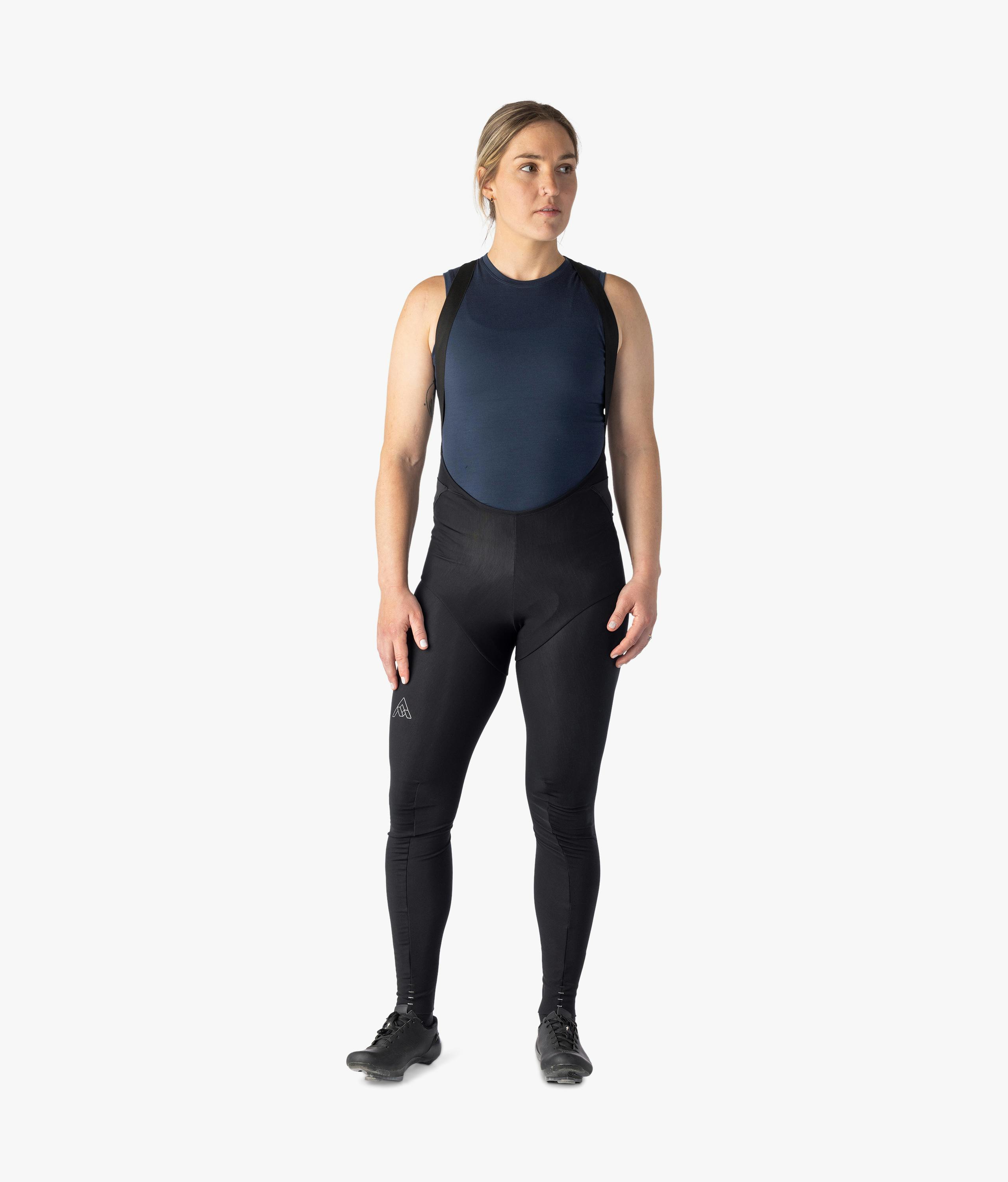
As your base layer is the one closest to your skin and your core—where we store most heat—you’ll want to choose items that expertly wick moisture. By moving sweat and moisture away from your body, base tops, tights and underwear help to keep your core warm and dry; essential for those longer, colder rides.
Top tip? Choose soft against your skin products for additional comfort in the cold, like the Tk1 Bib Tight. You’ll also want them to breathe while you sweat.
Mid Layers
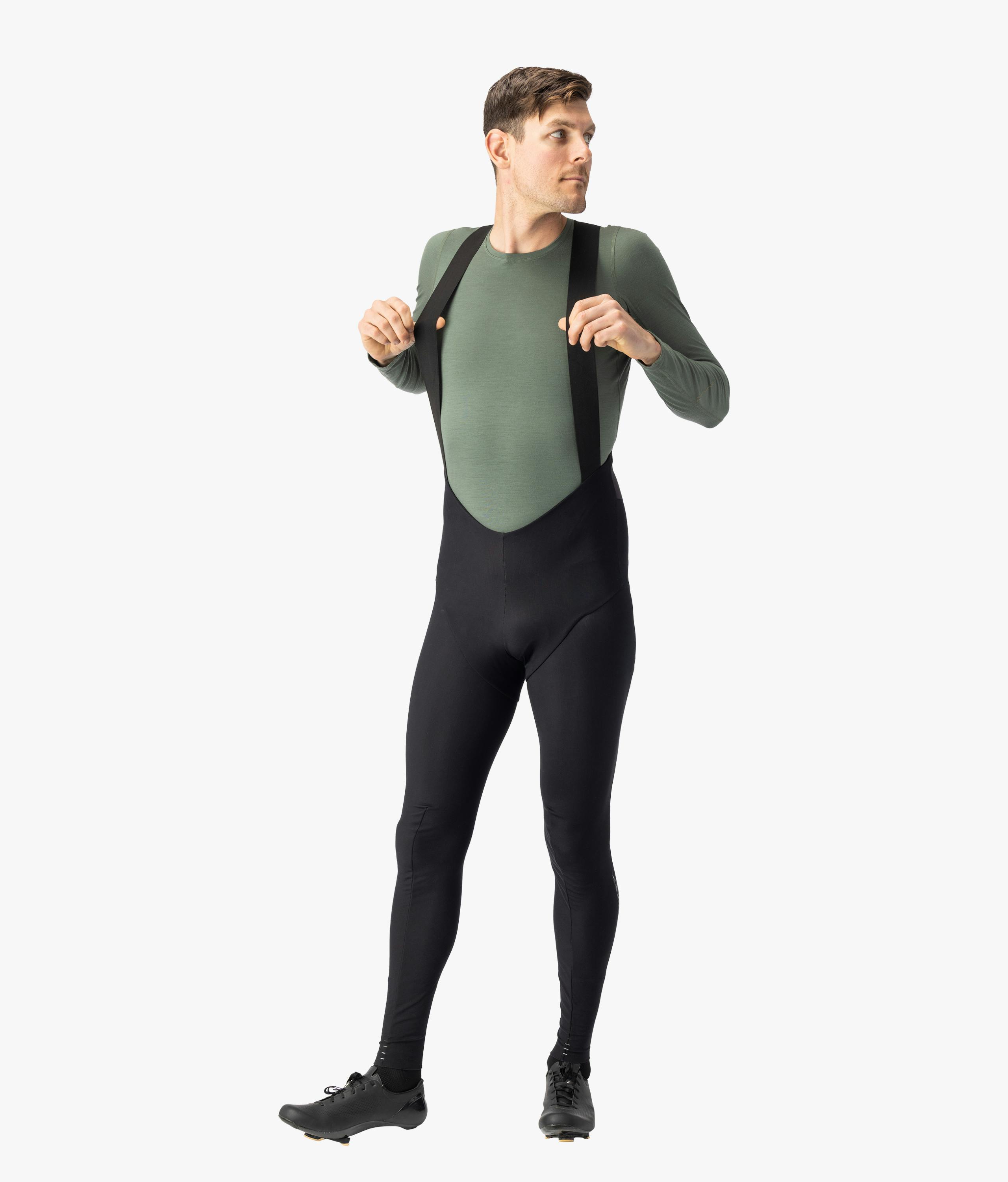
Canada’s winters don’t hold back, and we’ve tested our mid layers in the snow-covered Coast Mountains to see what really performs. The key? A mid-layer that traps warmth without trapping moisture—keeping you dry, comfortable, and moving freely.
That’s where WTV thermal insulation stands out. Designed forexceptional breathability,WTV moves moisture away from your body so you stay dry from the inside out, even during high-output activity. Paired with premium fabrics like our Merino Wool, our mid layers and thermals deliver consistent comfort in variable winter conditions.




Outer Layer
Your base and mid layers are dialled in, but without a capable outer layer, winter conditions can quickly take their toll. A proper waterproof or windproof jacket and bottoms are essential for keeping the elements at bay.
To perform in extreme conditions, an outer layer needs to do more than just block rain or shield you from wind—it has to protect while letting your body breathe. That’s why we’ve developed a range of outerwear built for all-mountain winter activities:
Airmap
Designed for high-output riding in mixed conditions, Airmap prioritizes airflow and wind protection without trapping heat, while still offering some water resistance if the weather turns. It’s the layer you reach for when you want just enough coverage to take the edge off, while staying cool as your effort ramps up.
WTV
Usable as the perfect mid-layer or outer layer, WTV balances insulation and breathability across a wide temperature range, making it ideal for drier conditions and variable efforts. Its air-permeable construction manages heat and moisture efficiently, reducing the need for constant layer changes.
Mission Jacket
The Mission Jacket is built for unpredictable weather, offering lightweight wind and water resistance with the breathability needed for long days on the move. It’s a versatile outer layer that slots easily into a layering system when conditions sit between dry and fully wet.
Guardian / GORE-TEX Collection
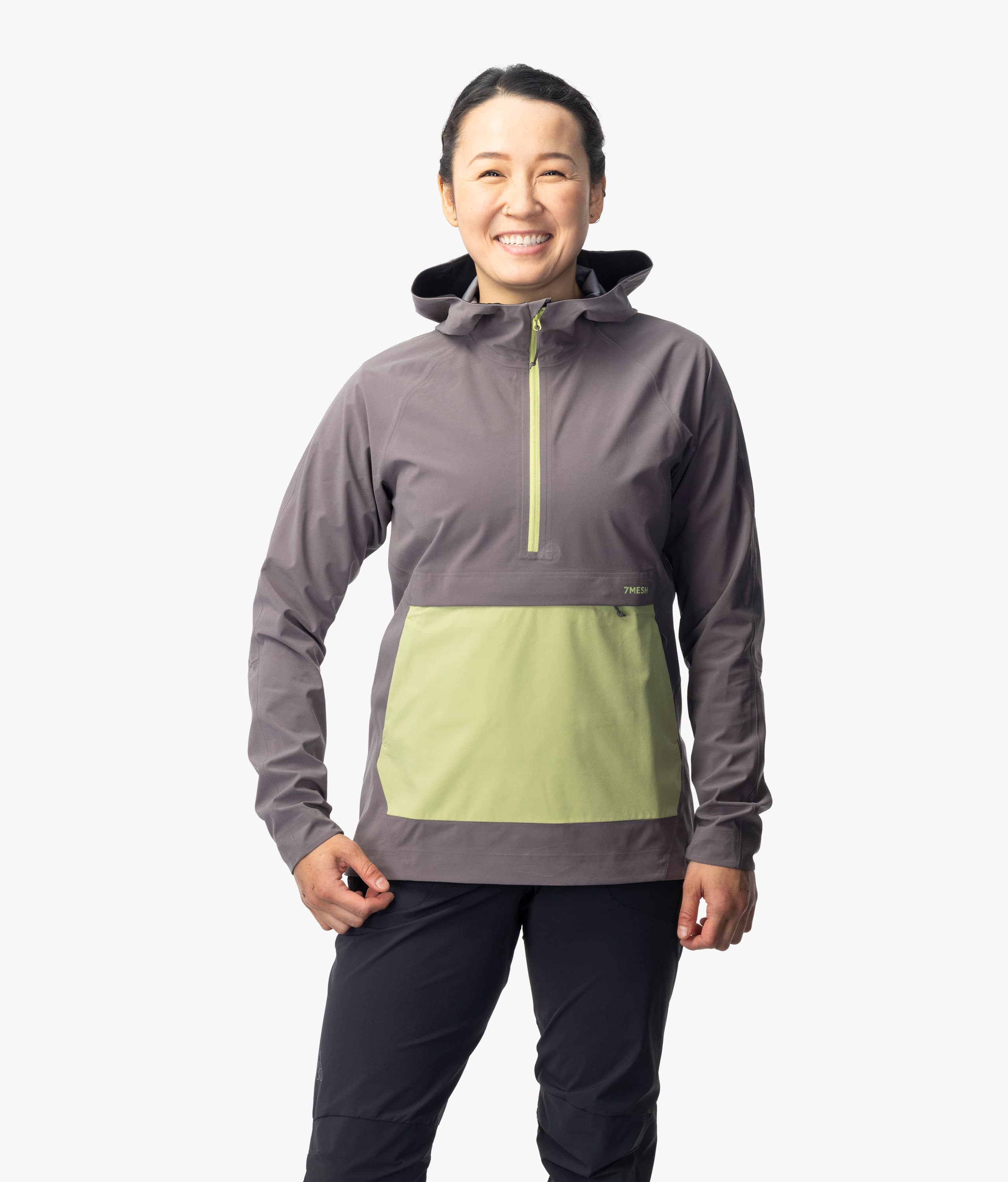
Designed for sustained rain, snow, and harsh winter conditions, the Guardian collection featuring GORE-TEX delivers reliable waterproofing and wind protection without sacrificing breathability.
To make sure you stay dry year after year, GORE-TEX stays in good shape by washing it often—exposure to dirt, sweat and frequent use will impact its effectiveness. To keep it performing at its best, cleaning and caring for it regularly is important. For instructions on how to wash and treat your GORE-TEX, always check the label.


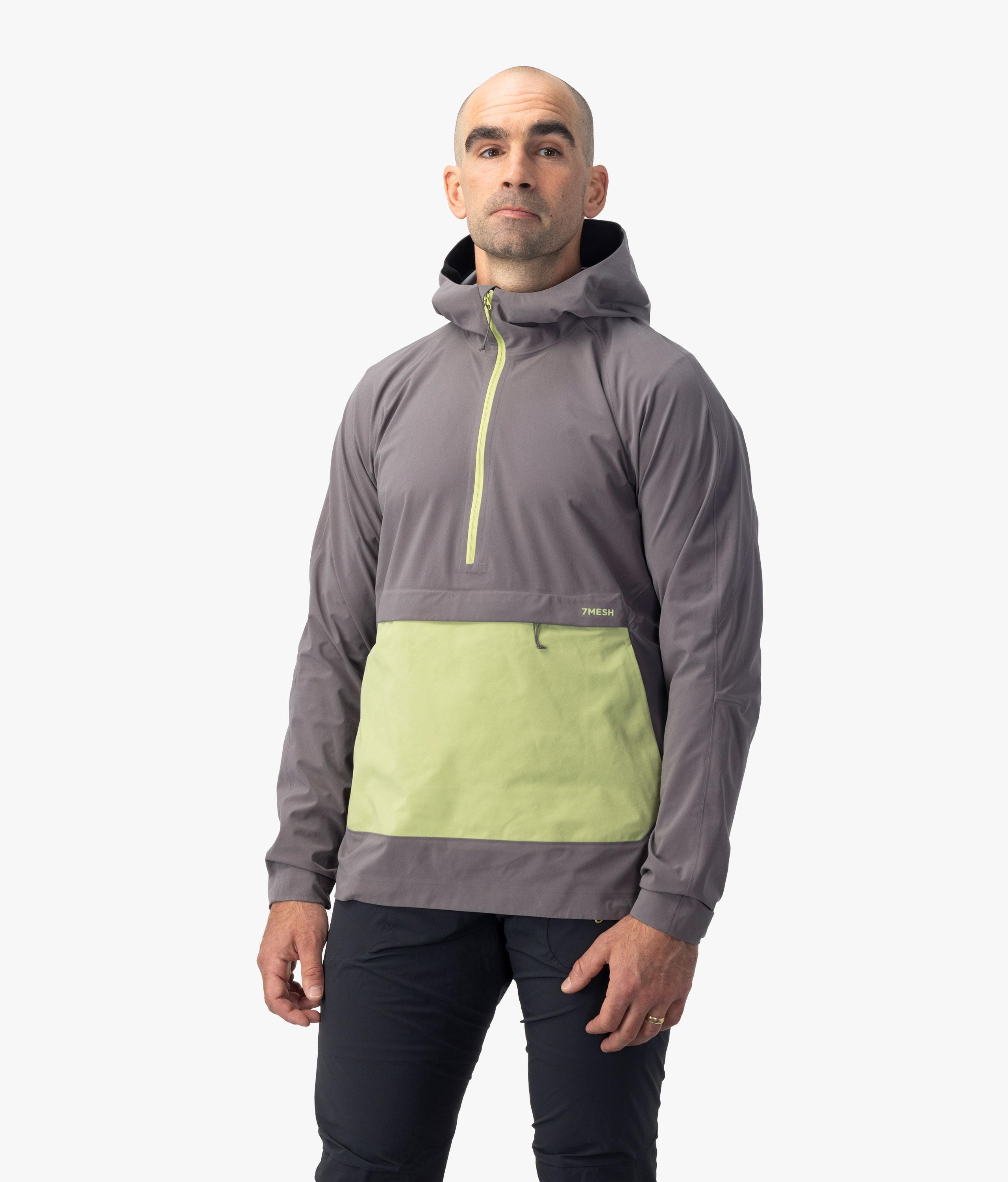


Keep Dry
When the weather takes a turn for the worse, you want protection you can rely on. Combining best-in-class GORE-TEX fabrics and DWR (durable water repellent) coating, 7mesh’s range finds harmony and balance in weight, breathability and those changeable conditions.
For optimum protection and minimal overheating, a waterproof jacket and pants (or water-resistant tights or pants) will keep you dry from the inside out and are ideal for wet winter rides. Plus, GORE-TEX will keep you warmer and dryer than any other material.
The best way to ensure your GORE-TEX stays in good shape is to wash it often—exposure to dirt, sweat and frequent use will impact its effectiveness. To keep it performing at its best, cleaning and caring for it regularly is important. For instructions on how to wash and treat your GORE-TEX, always check the label.


Reflective Details
Winter riding also means shorter days. Often we’ll be out before or after work, which means riding in the dark. Wearing contrast colors and reflective panels in critical areas on your top and bottoms will make sure you’re seen when it matters most. Fortunately, our winter riding styles have both. Stay visible, no matter the conditions.


Accessories
Not having accessories for winter rides is like going backcountry riding without a pump; you just wouldn’t do it. Accessories like neck covers are versatile additions that can add warmth without much hassle. A no-brainer, right?


Check Weather
Ideally, you want to be out there when it's not abysmal. Aiming for a weather window will hopefully mean you find the time of day when it's driest, so check the forecast and plan your ride accordingly.
The weather window is much shorter in winter than it is in summer. If you're riding in the dark at night or early morning (which are often best for visibility), prepare for rain or snow before heading out onto icy roads.
Pick your ride
The first step of winter riding is to know your terrain. If you're riding in the snow, go when it’s hard and pick hard-pack trails where you can. You also might want to ride slower than usual and keep an eye out for hidden hazards like rocks and tree roots. And if it’s super wet, aim to ride slower stuff or hard ground.
In winter, it’s less about the distance and more about embracing the conditions and just getting out there. Appreciate the small things; take the small wins!
Misery does loves company, so grab your closest winter riding friends to help you brave the elements and make the most of any conditions.
Now you have the tools for the job, get out there and ride!