There is no such thing as bad weather, only unsuitable clothing. The part that old line leaves out is that the clothing has to be layered the right way, and carried even when you are sure you will not need it.
Winter is cold, dark and occasionally sketchy. It is also the season that makes the rest of the year feel earned. Here is what to wear, what to carry and how to plan a ride around a forecast.
Layering
Layering works on one principle: several thin layers trap more air than one thick one, and trapped air is what keeps you warm. Thin layers also let you shed heat a piece at a time instead of all at once.
The practical version is take more than you think you need, and have somewhere to put it when you take it off.
Base layers
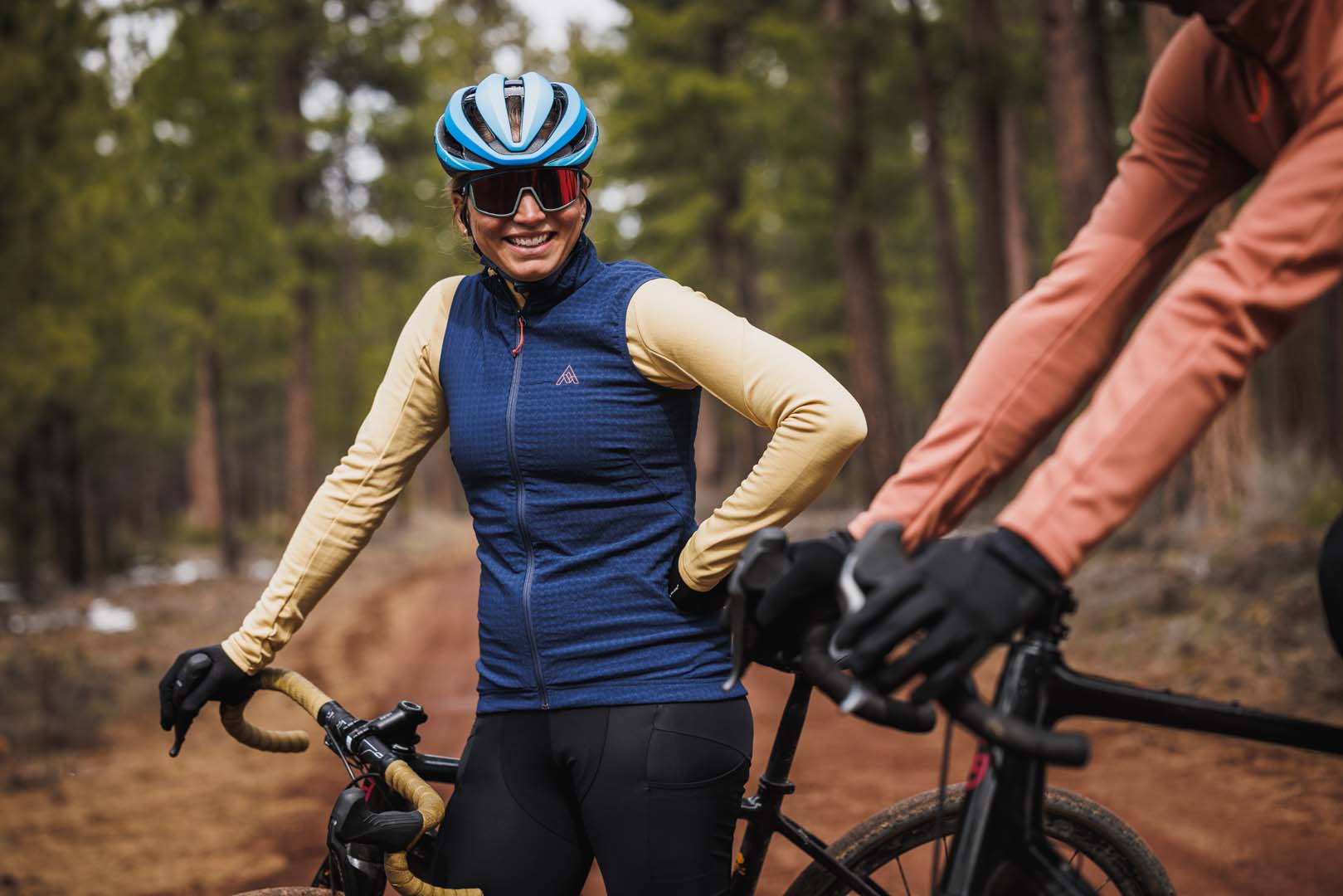
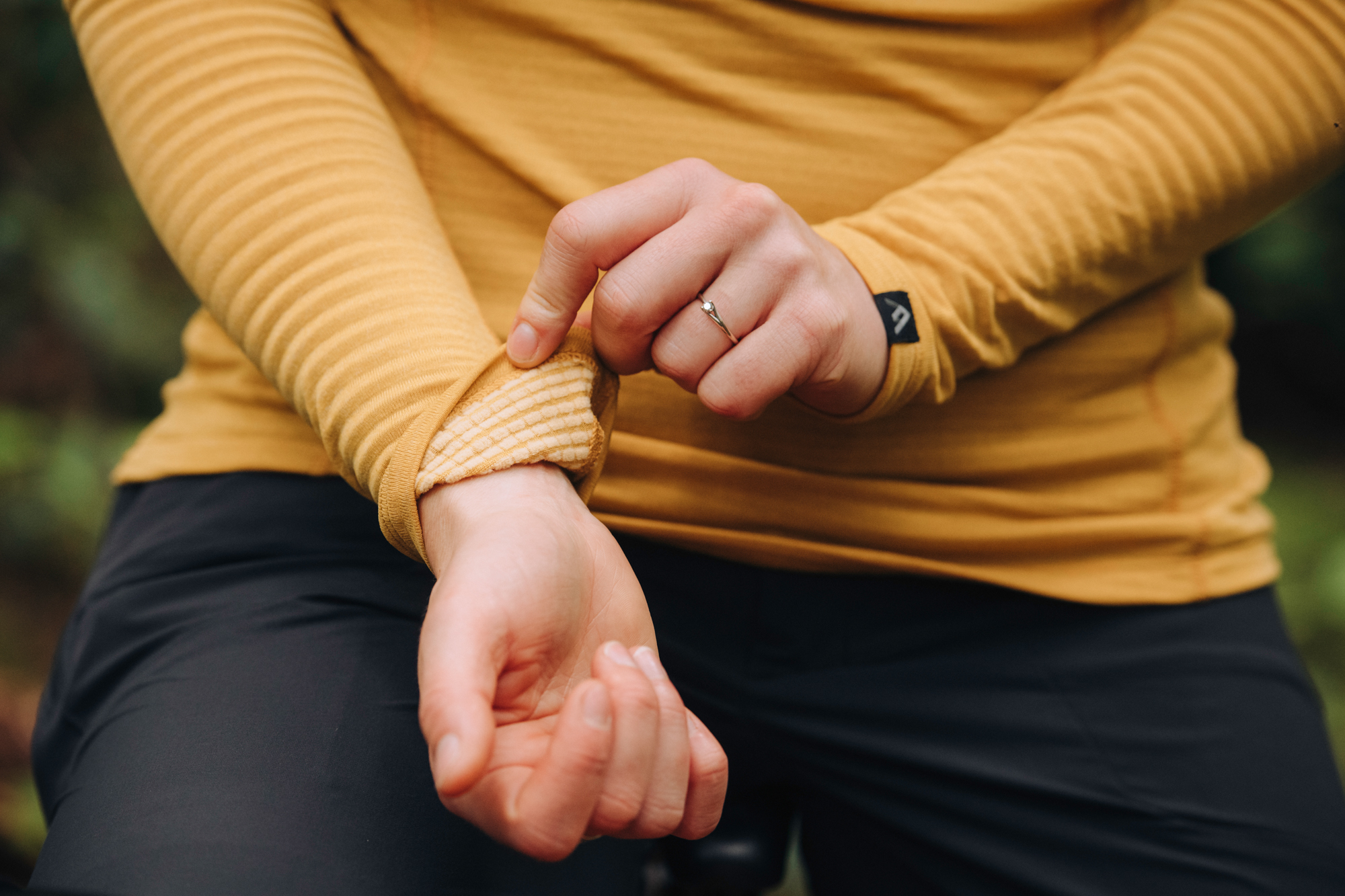
Your base layer sits against your skin, over the core where you hold most of your heat. Its job is to move sweat off you. A base layer that holds moisture will cool you down the moment you stop climbing.
Look for something soft enough that you forget it is there, and open enough to breathe while you are working. The TK1 Bib Tight does the same job for your legs.
Mid layers
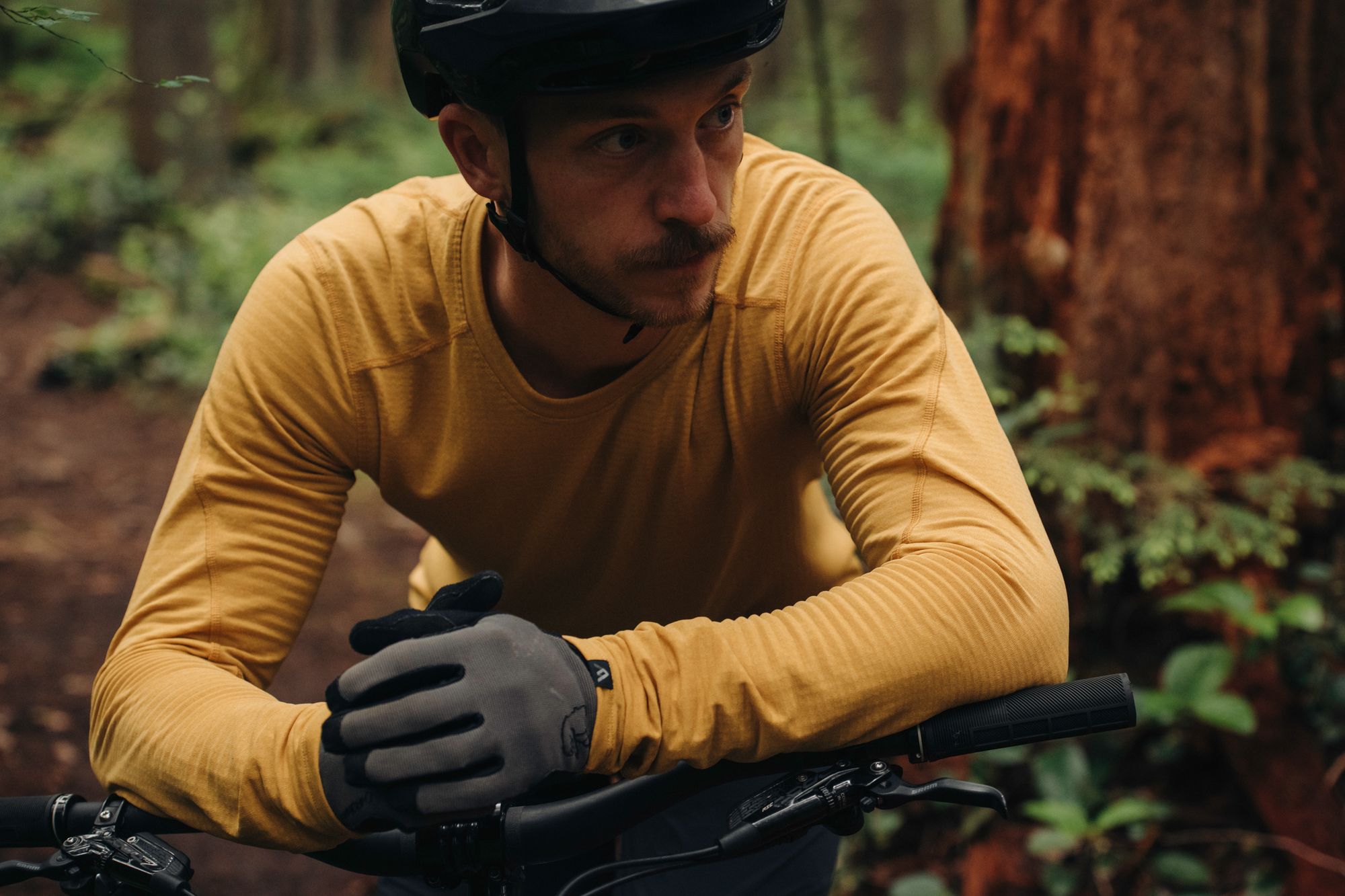
A mid layer has to insulate without weight and breathe without draft, which is a narrower target than it sounds. The number that matters is warmth per gram: a mid layer you leave at home because it is bulky keeps you exactly as warm as no mid layer at all.
Our mid layers and thermals use Primaloft®, Polartec® Alpha and our own WTV insulation, and they get their proving in the wet cold that comes off the Coast Mountains behind our door.
- Women’s Ashlu Merino Long Sleeve Base Layer
- Men’s Ashlu Merino Long Sleeve Base Layer
- Women’s TK1 Bib Tights
- Men’s TK1 Bib Tight
Outer layer
Base and mid layers are the system. The outer layer is what keeps the system dry.
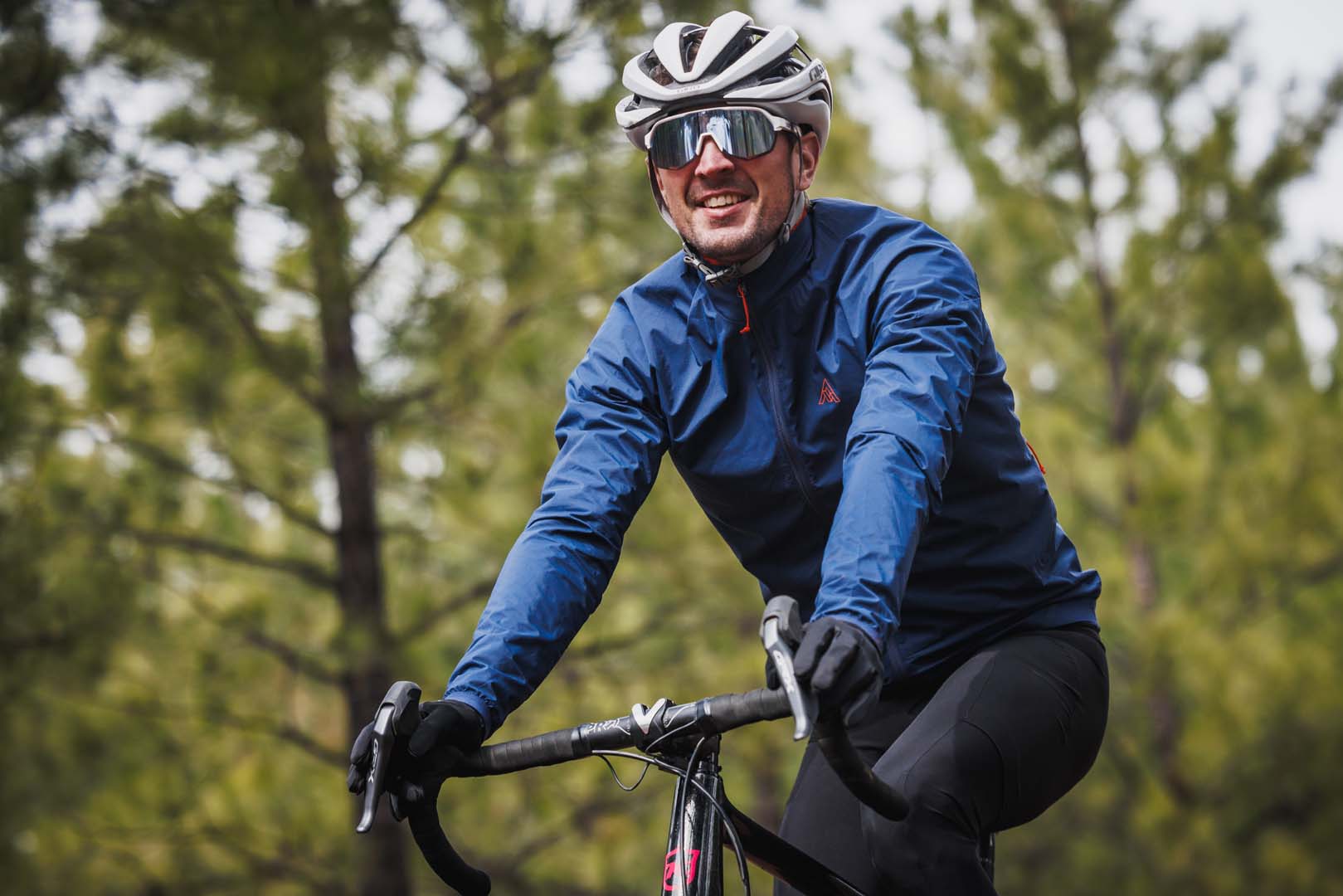
A winter shell has to do two things that pull against each other: stop the weather getting in and let your sweat get out. Get the balance wrong in either direction and you end up wet, from the outside or from the inside.
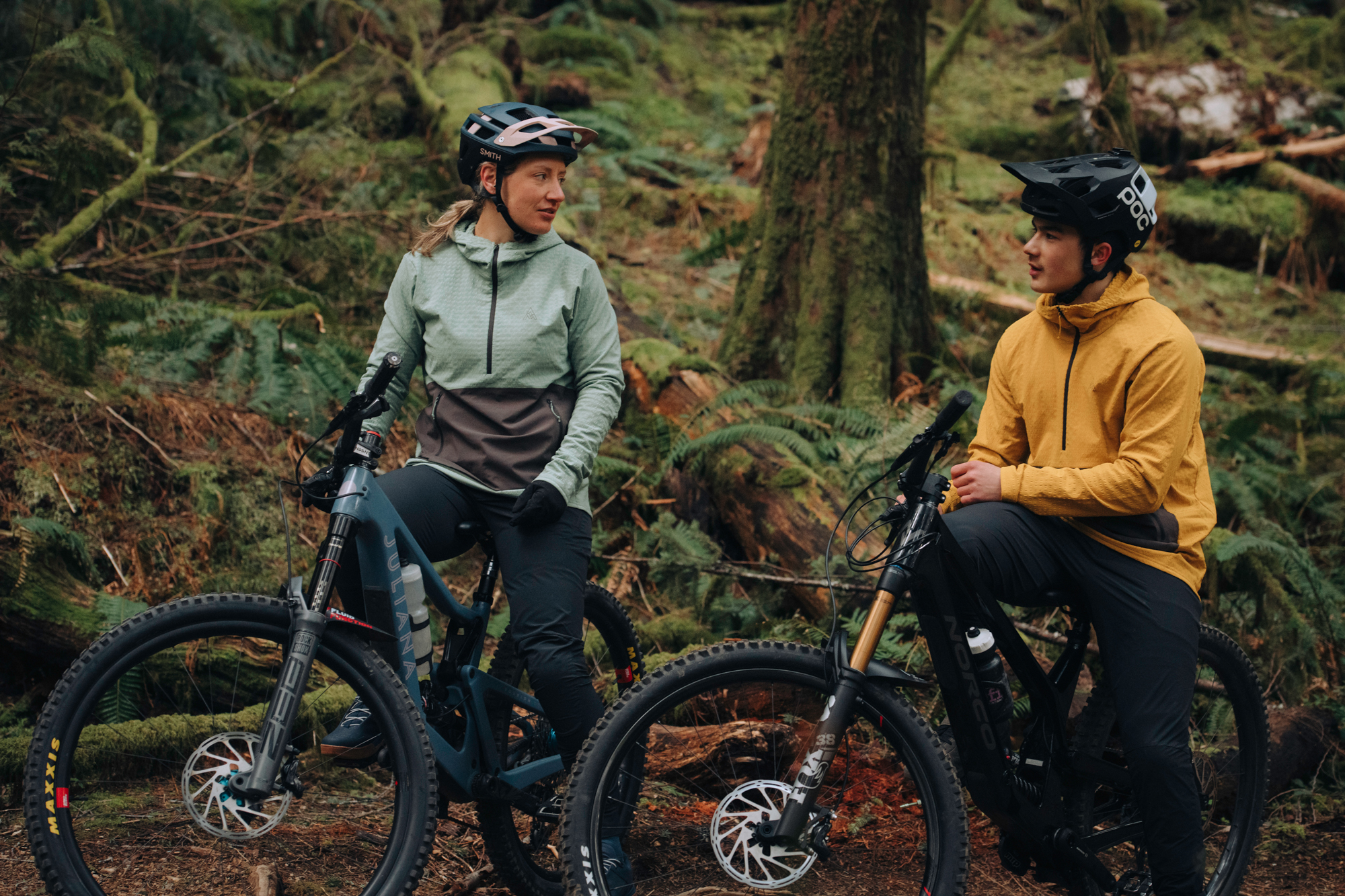
We cut outerwear for the position you are actually in. Dropped rear hems, room to move in the arms, nothing that bunches under a pack. That fit came out of riding, and it is the same thinking behind everything else we make: outdoor apparel informed by everything cycling has taught us.
- Women’s Chilco Anorak
- Men’s Chilco Anorak
- Women’s Tantalus Long Sleeve Jersey
- Men’s Tantalus Long Sleeve Jersey
- Women’s Northwoods V1
- Men’s Northwoods
Keeping dry
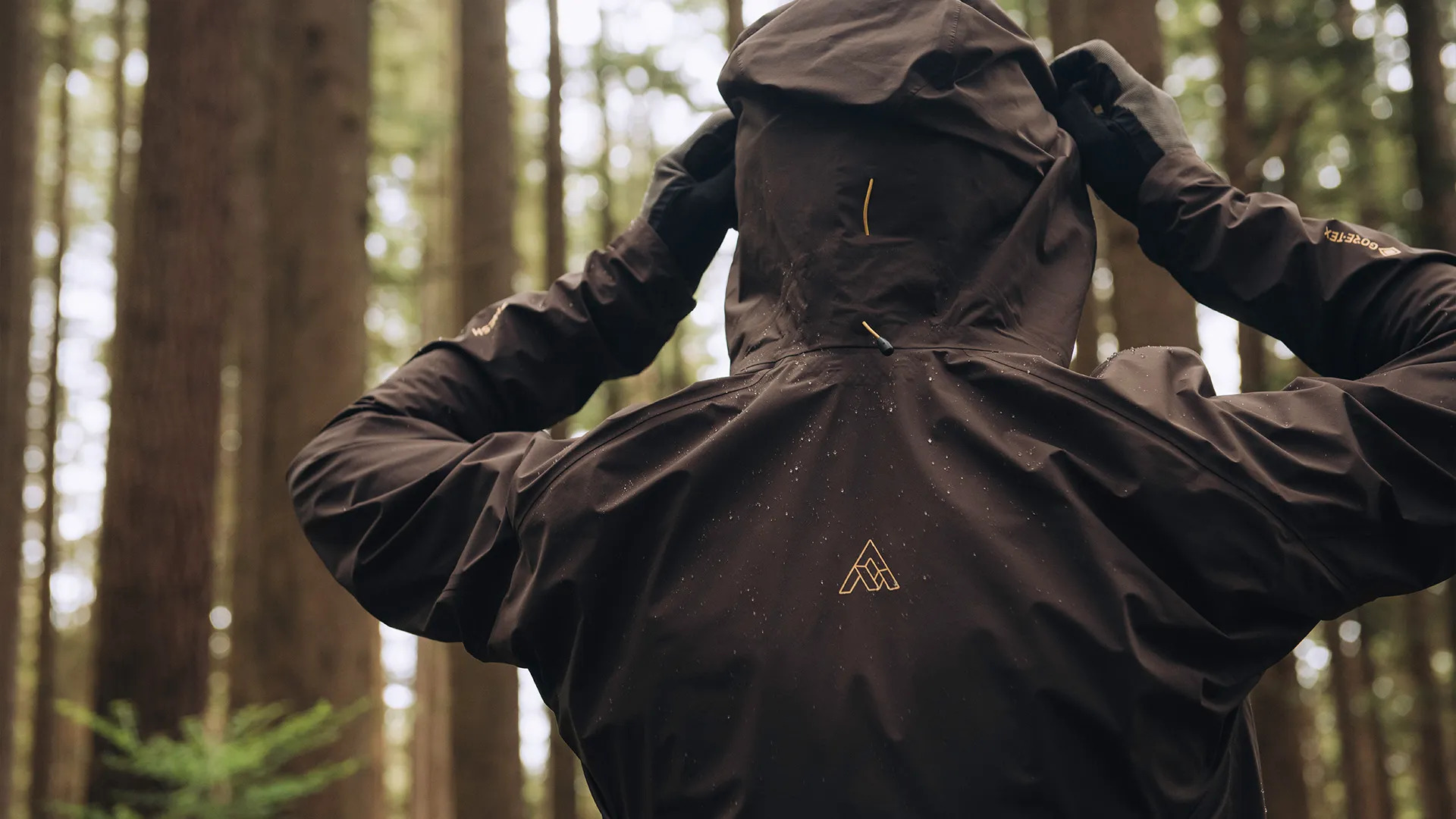
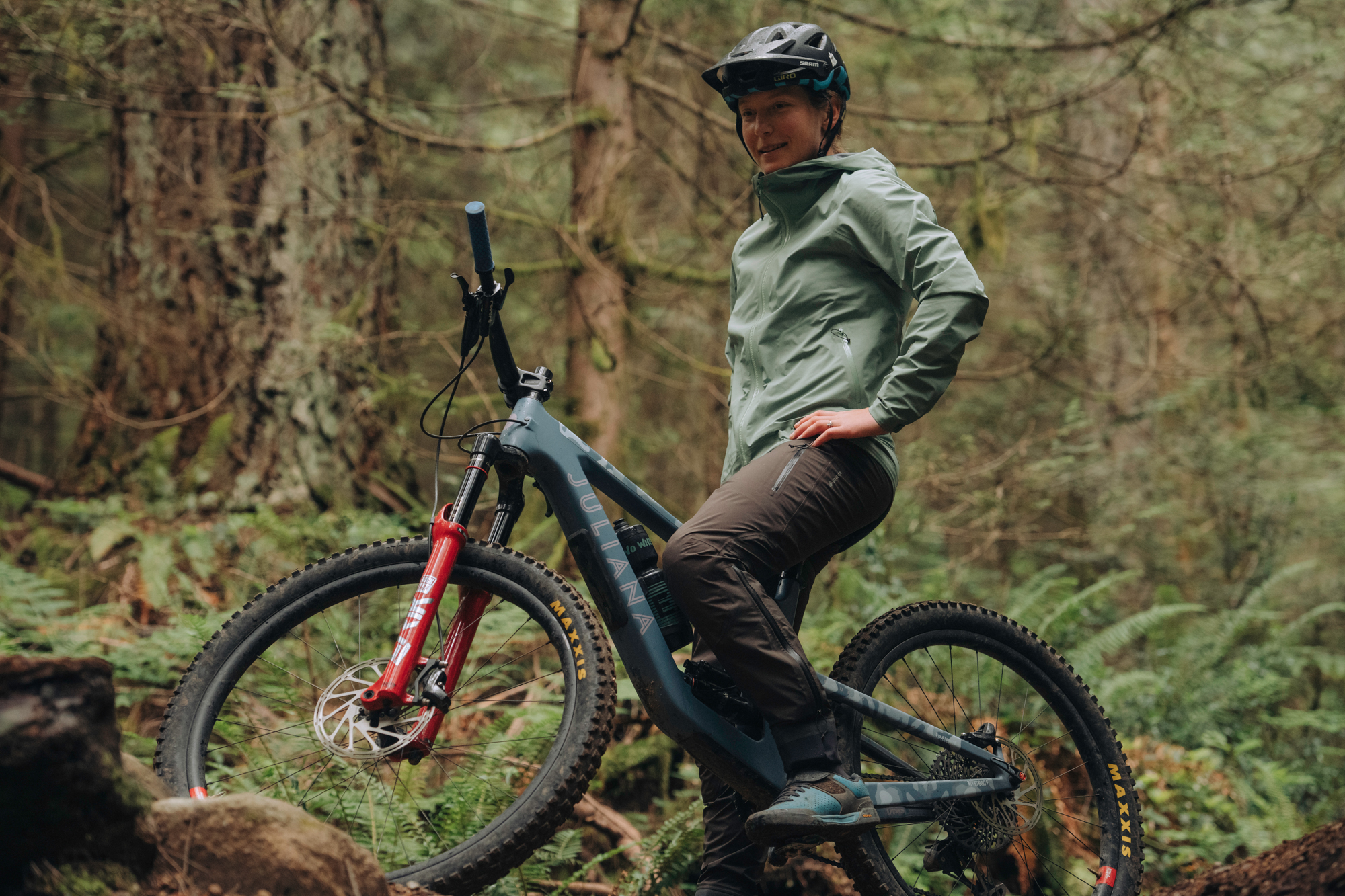
GORE-TEX® with a DWR (durable water repellent) finish is what we reach for when the forecast is not a question. A waterproof jacket and pants, or water-resistant tights, will keep the rain out without cooking you, which is the whole trick in winter.
Then wash it. That is the single most useful thing you can do for a waterproof. Dirt, body oils and sweat clog the face fabric, and a jacket stops beading long before the membrane is worn out. Check the care label for how to wash and treat it.
- Women’s Guardian Apex Jacket
- Men’s Guardian Apex Jacket
- Women’s Guardian Apex Pant
- Men’s Guardian Apex Pa
Back-ups
Nobody plans to be cold. Take the spare layer anyway.
A jacket that packs into its own pocket, a shell clipped to the frame, a layer stashed in the Anything panel on the back of a jersey — any of them turns a day that went wrong into a day that got interesting.
Reflective details
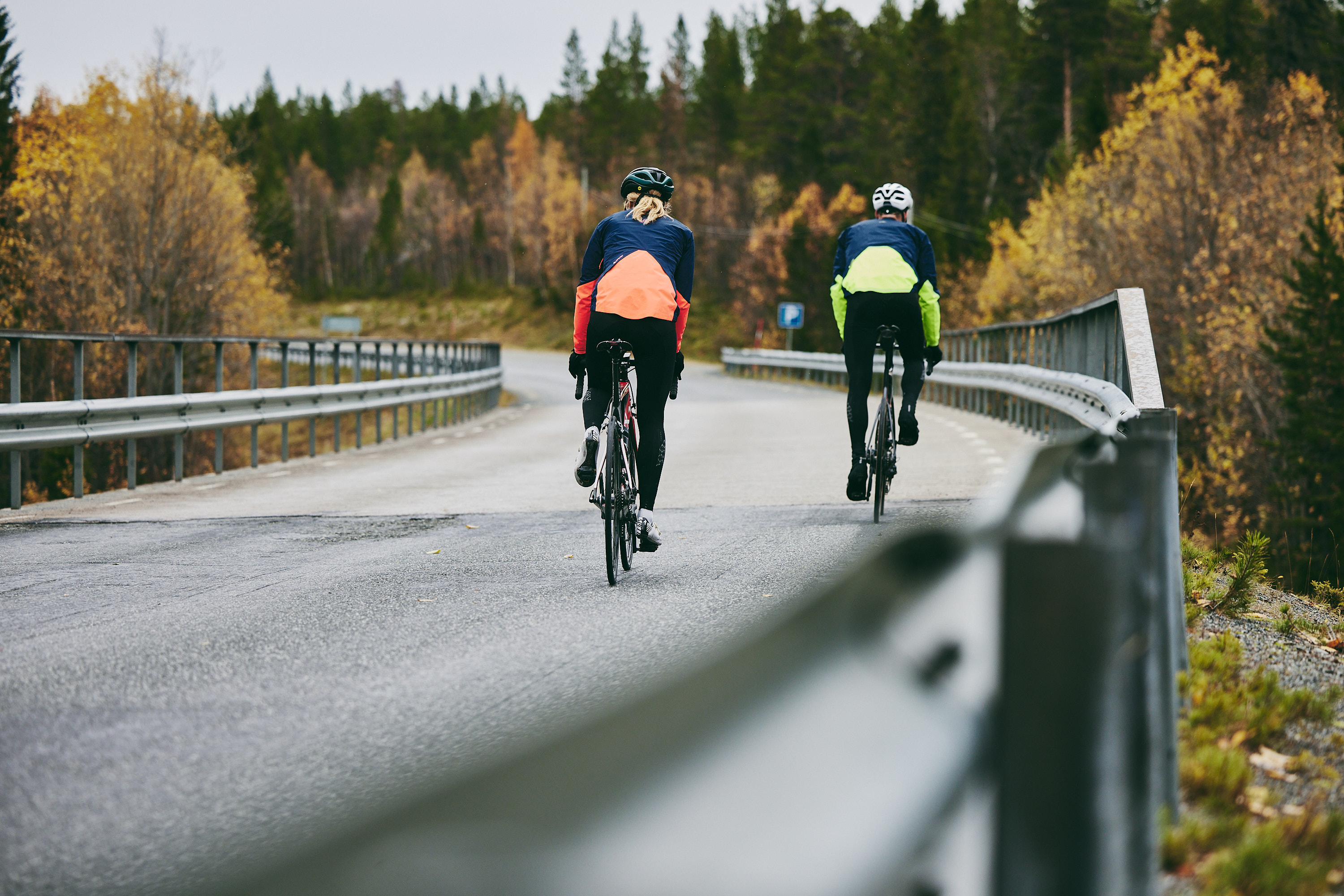
Winter means riding at either end of the day, and often in the dark at both ends. Contrast colours and reflective panels on the parts of you that move are what get you seen. Our winter styles carry both.
- Women’s Guardian Air Jacket
- Men’s Guardian Air Jacket
- Women’s Chilco Vest
- Men’s Chilco Vest
- Women’s Mission Jacket
- Men’s Mission Jack
Accessories
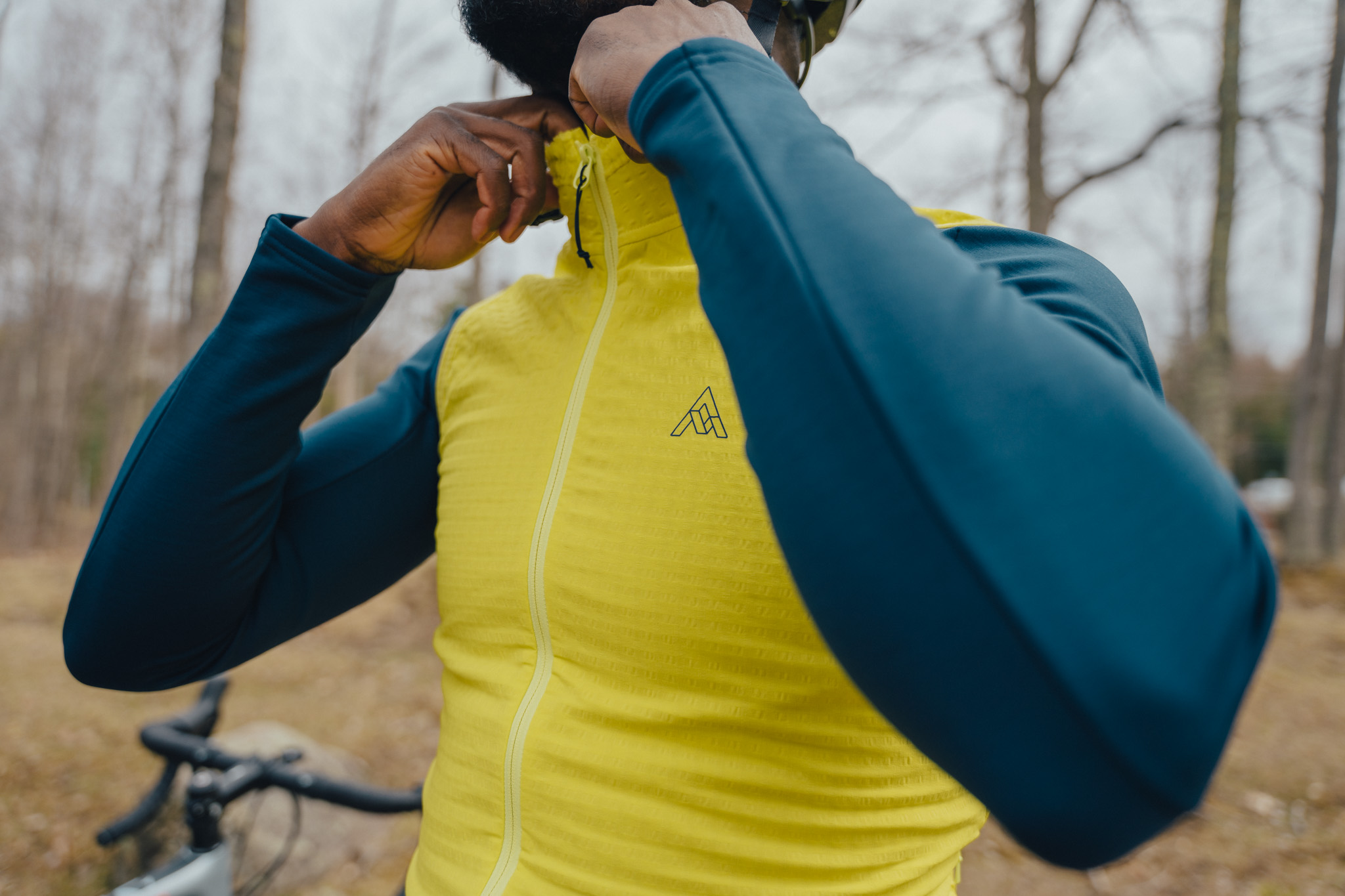
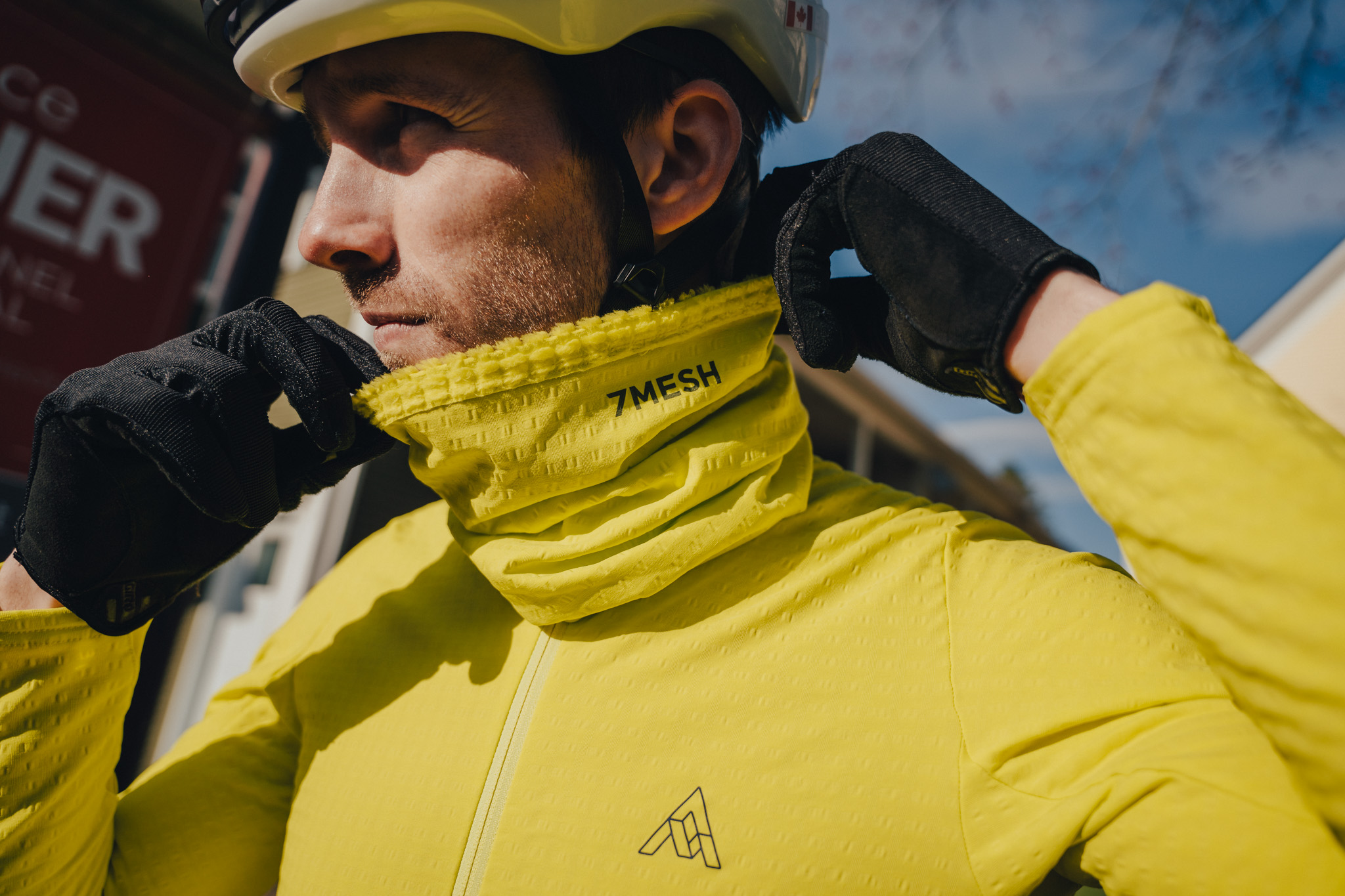
A neck cover, arm and leg warmers, a cap under the helmet: small pieces, disproportionate returns. A neck cover on its own changes how the whole kit feels, and it weighs nothing in a pocket once you take it off.

Check the weather
Winter weather windows are short. Read the hourly forecast rather than the daily one, and take the driest hours you can reach.
If you are going out before sunrise or after dark, check what fell overnight. Wet ground at dusk can be ice by morning.
Pick your ride
Know the surface before you commit to it. Snow rides best when it is hard, so go early or go after a freeze, and choose hard-pack where you have the choice. When it is properly wet, pick slower ground.
Then slow down anyway. Winter hides rocks and roots under leaves and snow, and the cost of finding one goes up when you are 2 hours from the car in the cold.
Go with someone
Winter is less about distance and more about turning up. Shorter loops count. So does turning around early.
Misery loves company, so bring some. Then go and ride.