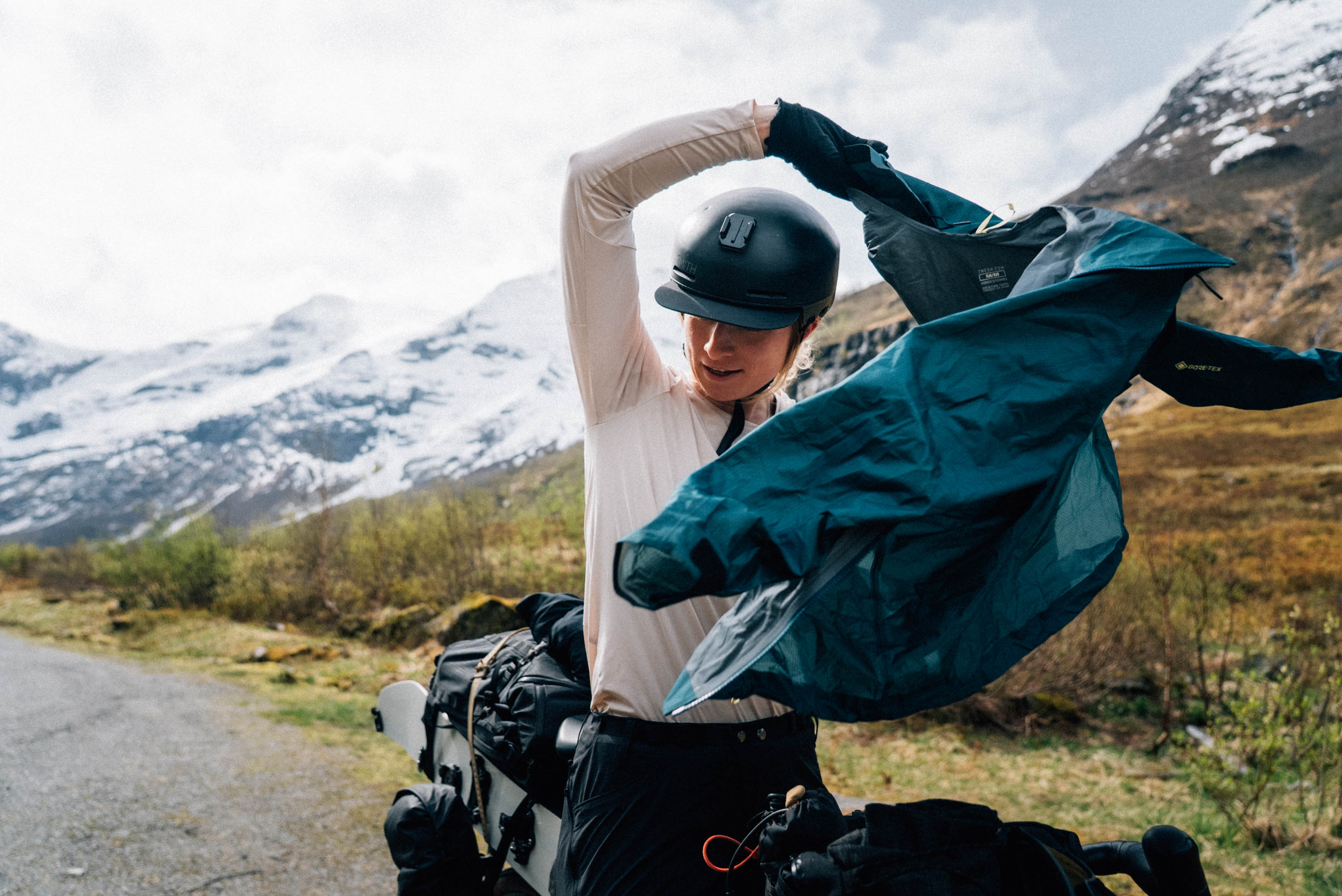
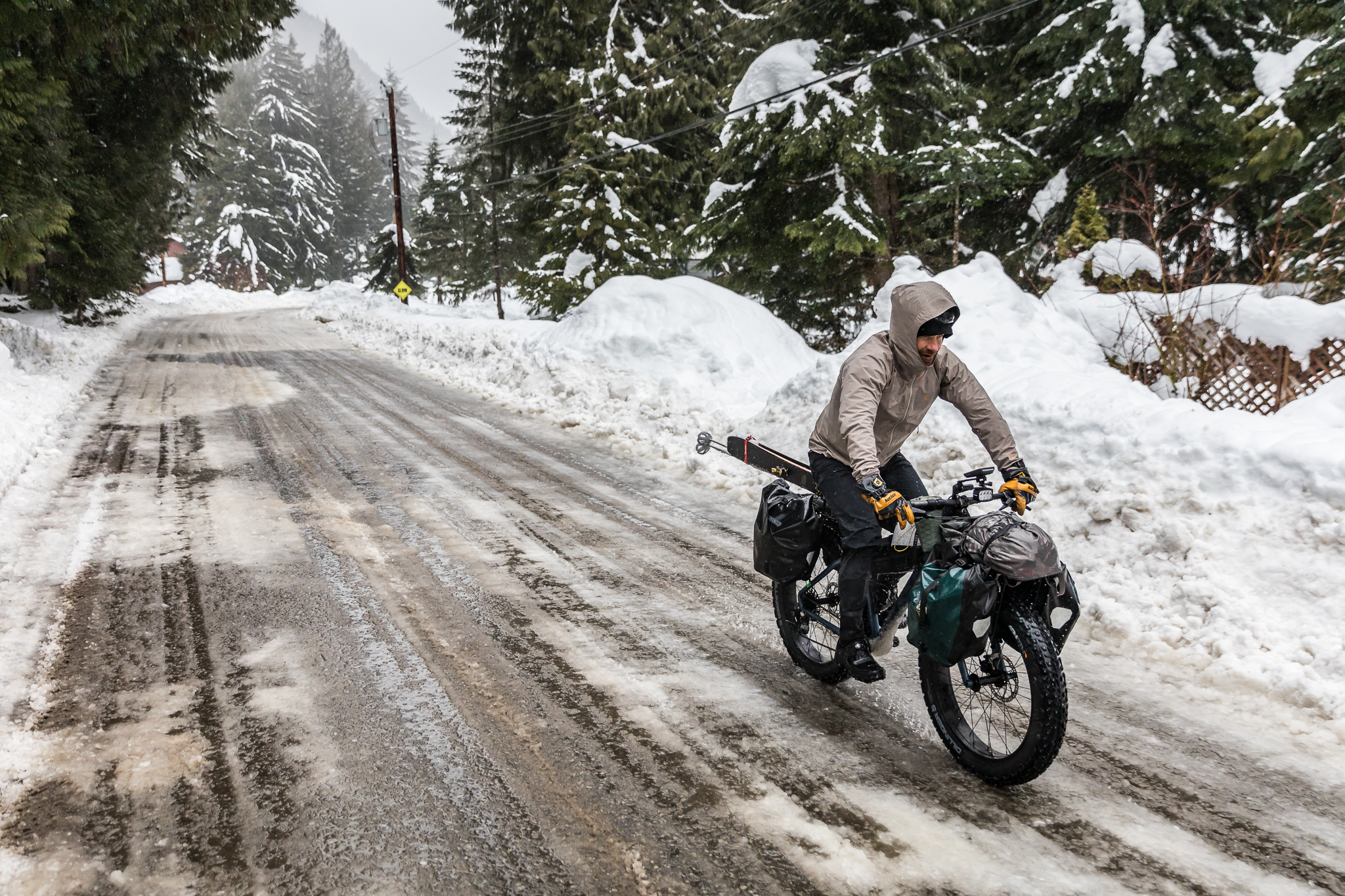
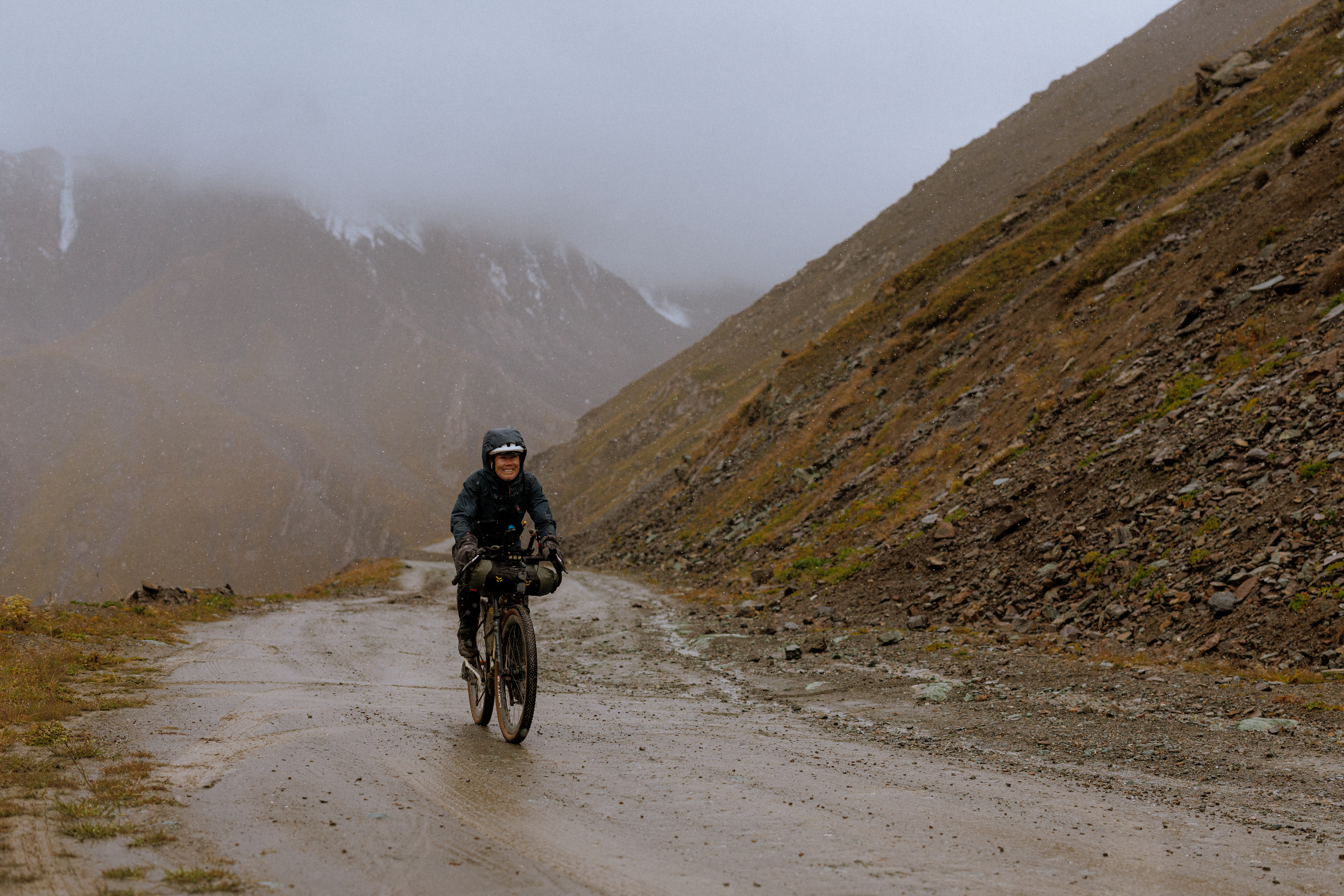
Winter bikepacking is the same trip with less margin. Shorter days, colder nights and weather that changes faster than you can layer for it. Get it right and the riding is quieter and the nights are better. Get it wrong and the cold teaches quickly.
We asked five riders who spend long days and cold nights out there what actually works: how they pack, what they sleep in, how they keep food and water from freezing, and how they layer without sweating through everything by lunchtime.
Who you are hearing from
 Rachael Walker @riderrachy
Surrey, England
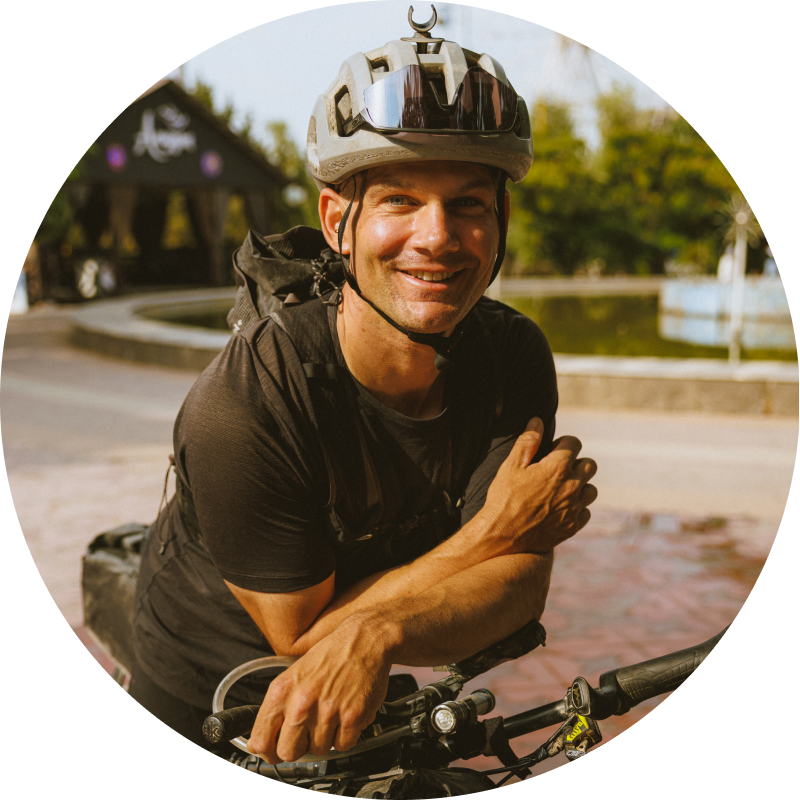 Alex Kopp @ali___popp
Innsbruck, Austria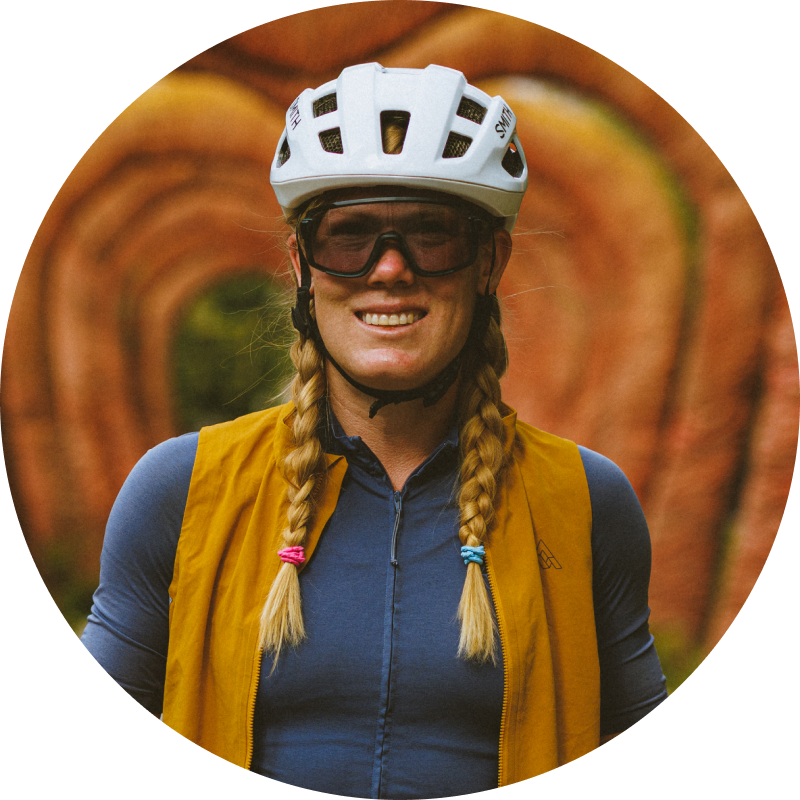 Meaghan Hackinen @meaghanhackinen
Kelowna, B.C, Canada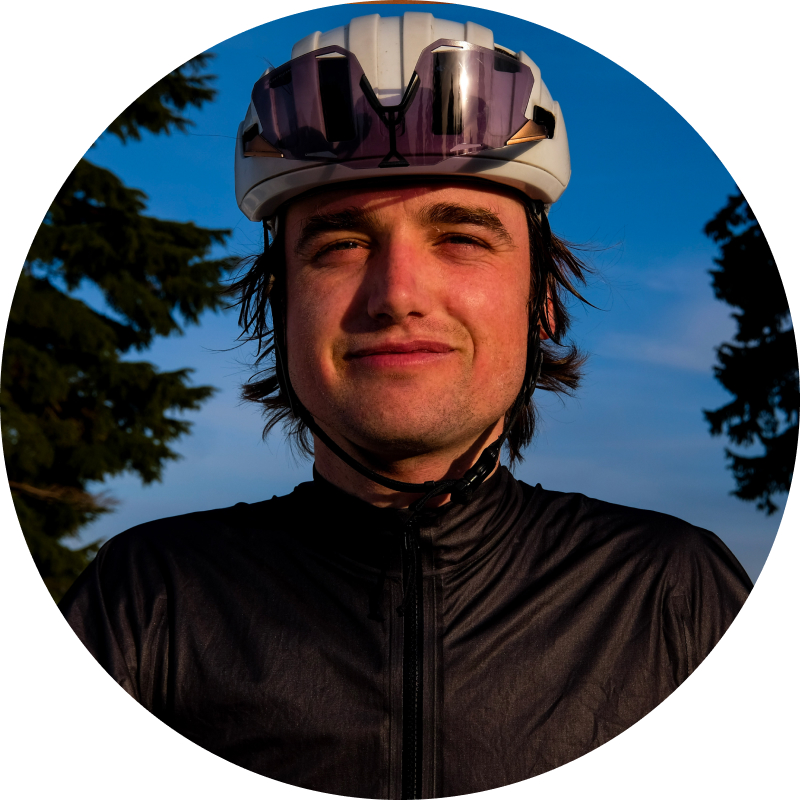 Stef Curtis @stefcurtis
Vancouver, B.C, Canada
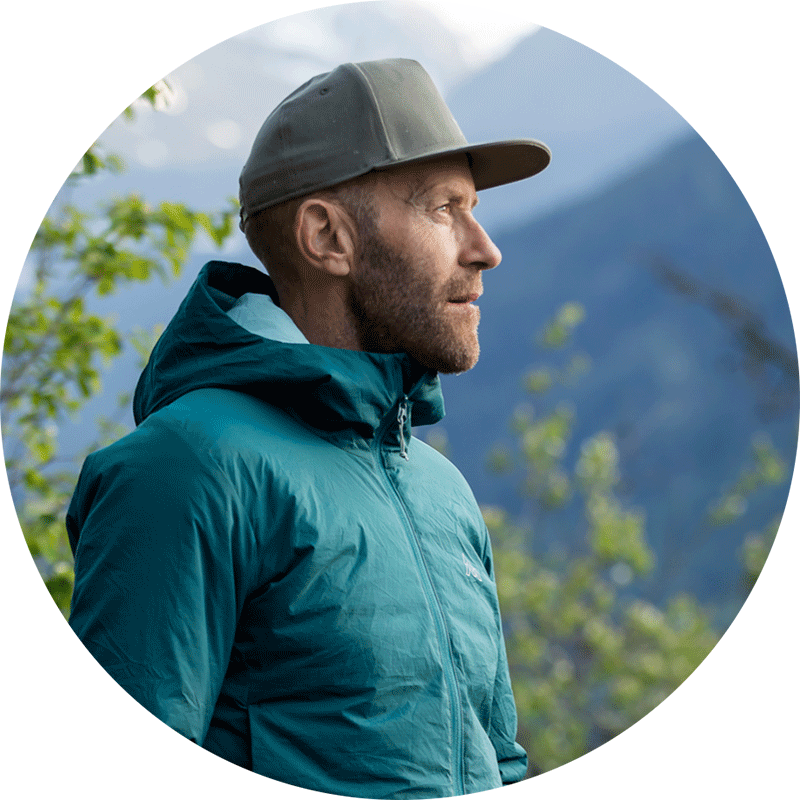 Svein Tuft @svein.tuft
Nelson, B.C, Canada
Packing setups for the conditions
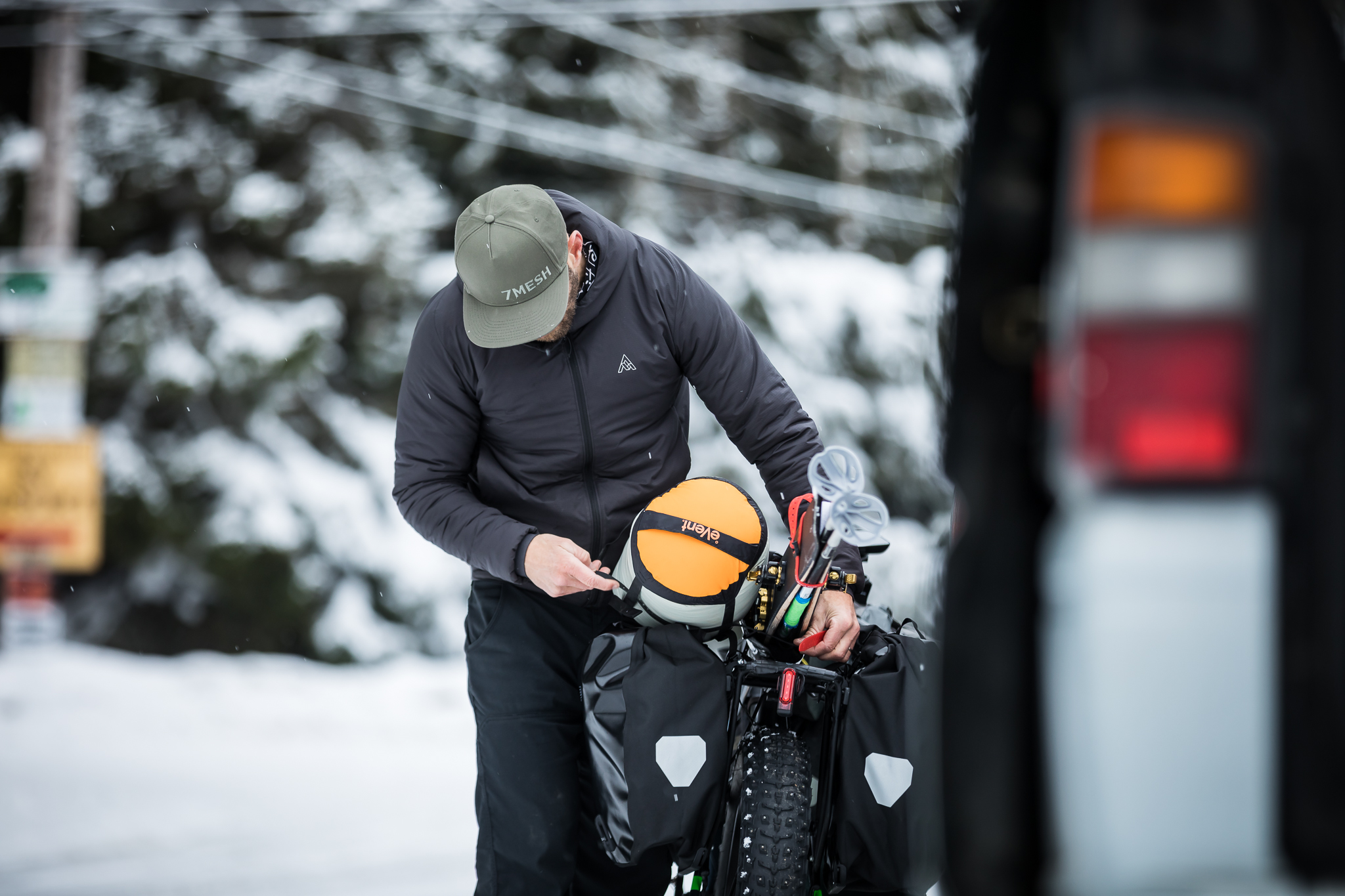
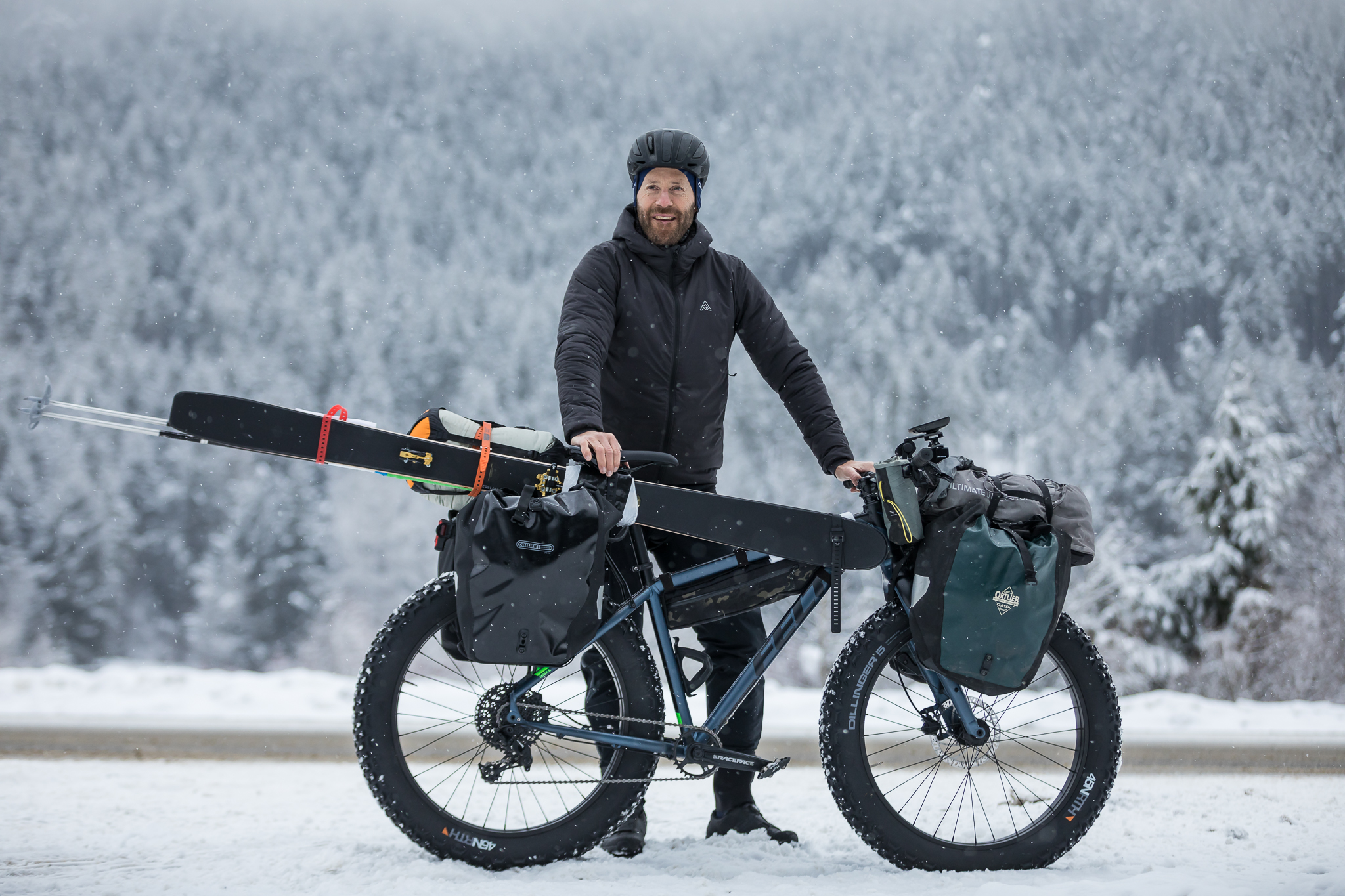
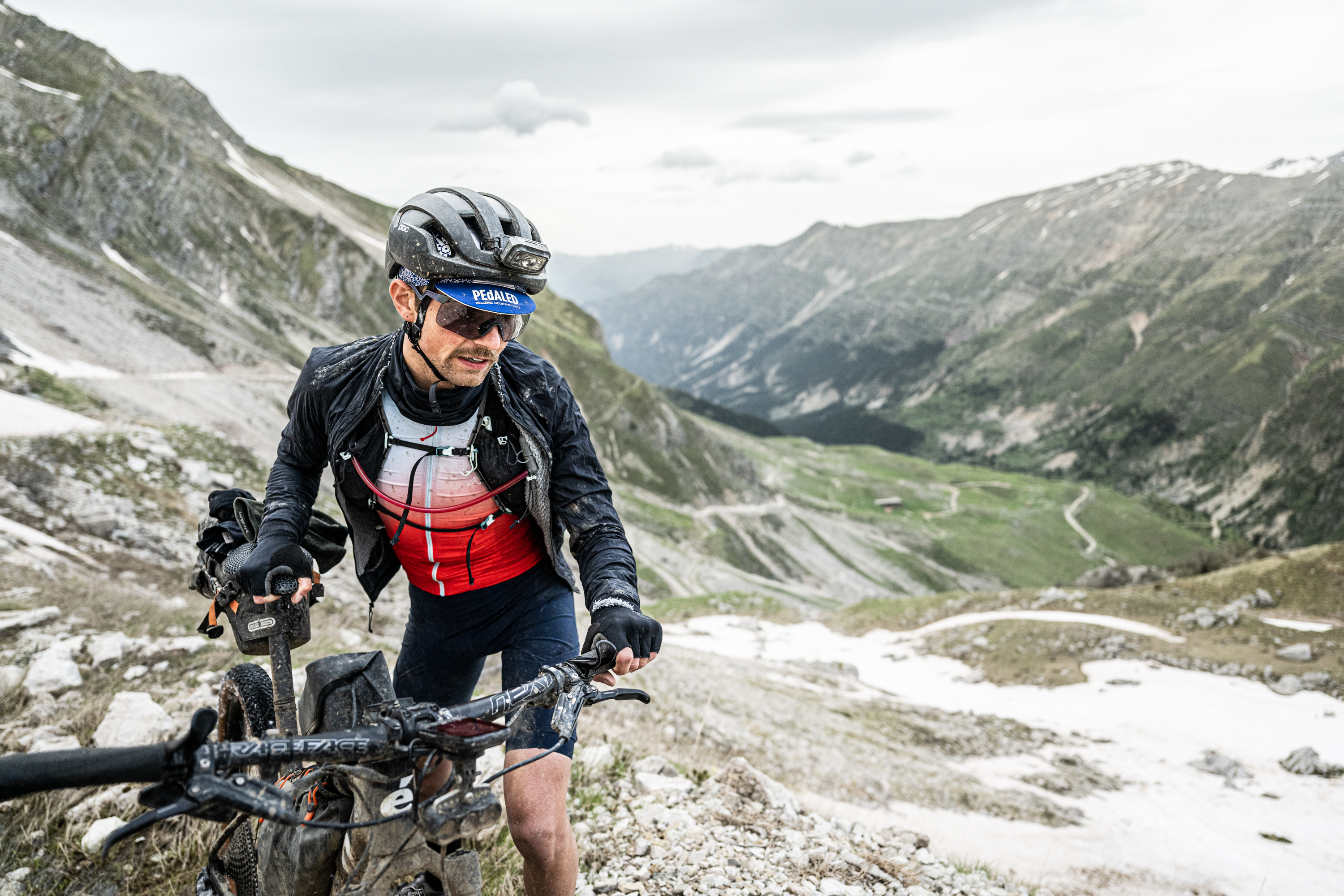
Winter needs more space, better organization and no compromises on staying dry. Bigger bags, waterproof storage and keeping wet gear away from dry gear are what separate a manageable day from a miserable one. Winter setups are rarely about saving weight.
Svein Tuft: Packing for winter. I like to keep warm things like dry base layers in big Ziploc bags in a place where you always know where to find them easily. With water and mix drinks I like to use a bladder system that stays close to my body warmth, so there's no stress with freezing. In adverse conditions, this is where the extra cost of waterproof bike bags really pays off. I tend to run bigger bags in the winter as most of your clothing and food needs require more volume. I'd prefer to have more space rather than trying to stuff things where it's impossible to fit.
Meaghan Hackinen: Waterproof bags and a few smaller stuff sacks go a long way in winter. I like being able to separate wet or muddy gear from anything that needs to stay dry, especially once temperatures drop. If you’re bundled up when you leave home, make sure you’ve got a bit of extra space for delayering once you’re warm. To help protect my frame—and keep myself a little cleaner—I ride with fenders through the shoulder season and winter months.
Alex Kopp: In winter, I make sure all bags are truly waterproof — staying dry is non-negotiable. Frozen bottles are often unavoidable, so I plan for that and put extra focus on drinking regularly, even when it feels harder to do. Full fenders can be incredibly helpful in wet and snowy conditions, and while waterproof overshoes help, proper winter cycling shoes are a real game changer and can’t truly be replaced. I don’t try to save weight on warm clothing, even if that means using larger bags, and items like lobster gloves make a big difference. A more closed, aero-style helmet with smaller vents helps retain warmth, and I try to keep moving — once you stop, the cold catches up fast.
Rachael Walker: I definitely feel the cold in the winter and really liked to prioritize feeling warm and snug. Merino layers are a must for me, it helps regulate temperature and help to avoid getting chilly quickly from sweat. I use the thinner Desperado merino long sleeve top as part of my layering system. Shoulder season is also jacket on, off and off again time for me, I keep a windproof handy on my handlebars to help reduce some of the jacket on/off faff time.
Stef Curtis: The bulky winter setup always makes me miss the simplicity of my summer build. There are so many add-ons, but every one of them earns its place when it comes to staying comfortable and safe. First and foremost: full fenders. At the very least, a minimal rear, but you really don’t want to cut corners on the front. Keeping spray off your face, body and feet is key to comfort. Waterproof packs are also a must. Whether it’s a quick day ride or a big mission, my seat pack basically lives on my bike during the wet PNW winter months, usually stuffed with extra gloves, socks and a warm layer. The Chilco hoodie is my saving grace. I don’t leave the house without it, either on me or packed away. Sometimes just knowing it’s there is what keeps me comfortably pushing a little farther from home.
Winter shelter and sleep
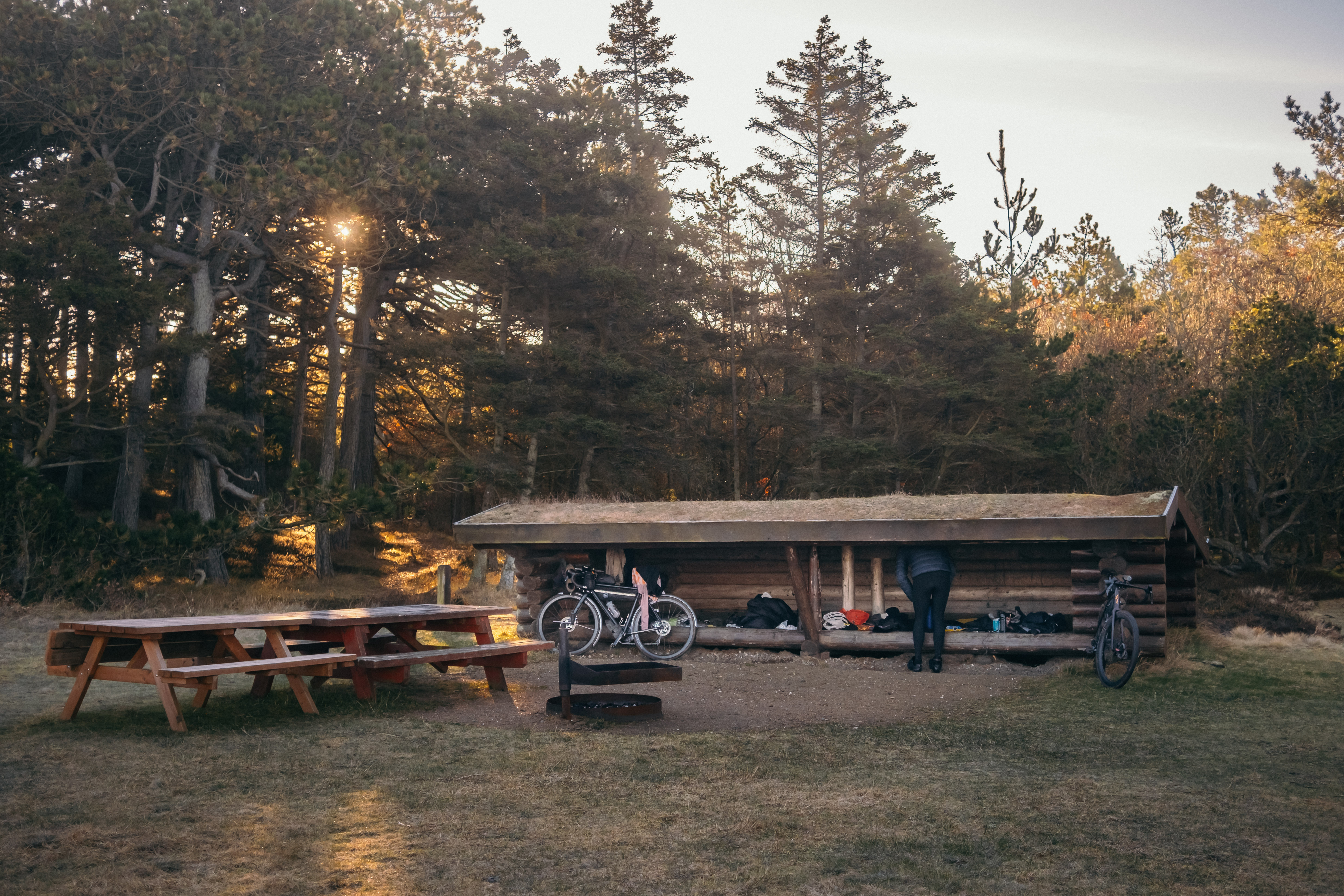
Cold ground, condensation and storms all stack against a good night's sleep, which makes shelter choice, insulation and how fast you can set up matter more than they do in summer.
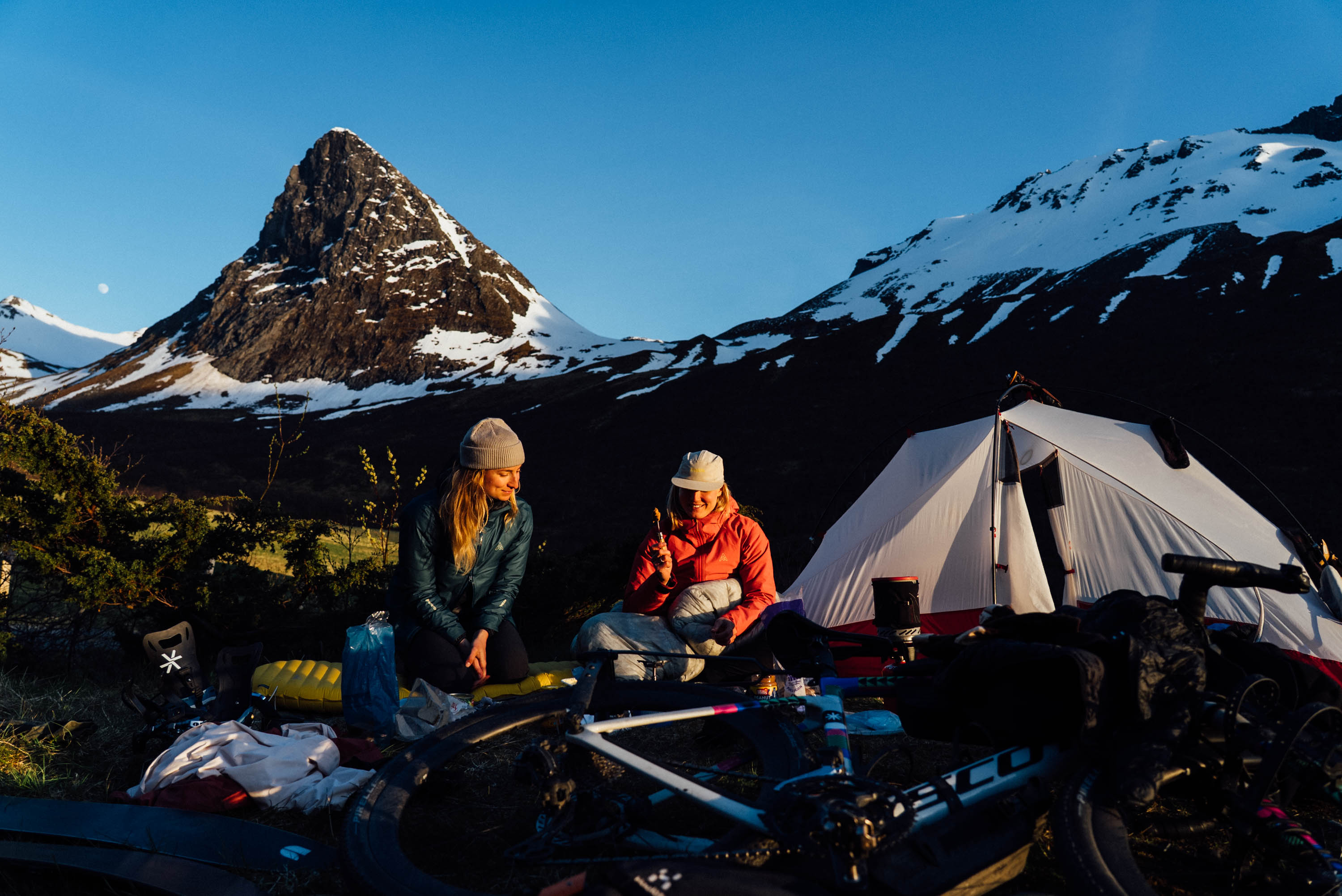
Svein Tuft: Cold weather camping is always a tricky situation. I like a small 1-man tent that keeps the material off your face and allows you to bring in anything you need to keep warm and the wetter stuff stays out under the vestibule. I love the simplicity of a bivvy but it doesn't come close to the comfort of a good 1-man tent. Another important thing is an insulated winter specific mat. You pay the price with the weight and bulkiness but there's nothing worse than the frozen ground robbing your hard earned energy. I think it's also important to practice your setup protocol. When you have to setup camp in a storm you don't want to be dilly dallying. Stuff your baselayers and clothing you need for the next day in your sleeping bag, they will stay dry and warm for that chilly wakeup.
Meaghan Hackinen: Winter camping is a great way to test your efficiency. The faster you can get your shelter up, the sooner you’re out of damp layers, eating, and preserving heat once you’re off the bike. I switch to a warmer sleeping bag and pad in winter, and I always pack a pair of hand warmers to cuddle in my sleeping bag at night. It’s a small thing, but it makes a noticeable difference.
Alex Kopp: Staying warm at night really starts from the ground up — a high R-value sleeping pad is essential and makes a huge difference. I usually choose a sleeping bag that’s warmer than I think I’ll need and use layering even while sleeping. In winter, a bivy or a well-ventilated tent helps manage condensation, and keeping the campsite setup quick and simple is key when it’s cold.
Rachael Walker: I’m fortunate to somehow switch from daytime feeling the cold mode to nighttime sleeping very warm mode. That said, I have learnt the hard way taking a sleeping bag far too light for the conditions… make sure your kit, especially sleeping bag will perform in the conditions you’re heading out into.
Fuel and hydration
Cold weather quietly raises your calorie burn while making eating and drinking harder. Frozen bottles, numb fingers and missed meals compound fast.
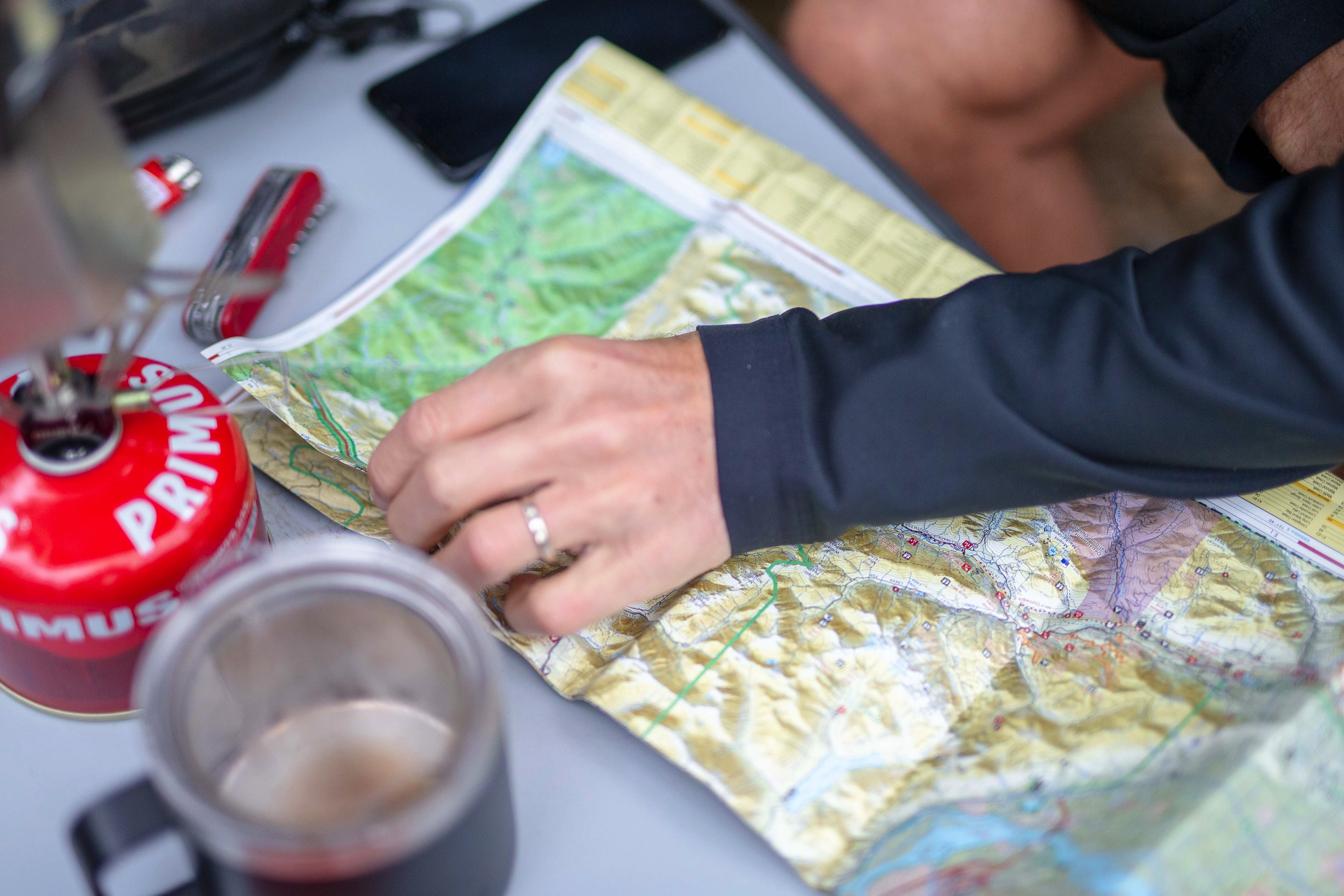
Svein Tuft: Winter conditions ramp up calorie consumption. Just being outside in freezing temps is an extra stress and demand on the body. It's super important to be on top of your nutrition with very calorie dense foods. Throughout the day I tend to eat an extra 200 calories per hour depending on your effort. Another thing I like to focus on is what they call a guides pace which is moving efficiently without creating too much sweat. I like to keep soft flasks and bladders on my body so I can keep everything from freezing. This also helps in saving energy so your body doesn't have to re heat the freezing liquids. Stick your butane tank on your body prior to using. This helps warm it up and works much better. If you have a chill, keep drinking hot tea and hot meals. Bonking in the cold is the worst.
Meaghan Hackinen: When it’s cold, it’s easy to forget to eat and drink. I mix my carb drink stronger than usual so I’m getting more calories per millilitre, and I sleep with my bottles or hydration bladder in my tent or bivy to keep them from freezing—a lesson I learned the hard way at last year’s Silk Road Mountain Race. An insulated mug is another winter staple: it lets me enjoy something hot at camp and keeps refills warm longer.
Alex Kopp: I don’t follow a strict nutrition plan in winter, but I focus on calorie-dense foods that are easy to eat in the cold. Warm drinks are a big part of staying hydrated, and insulated bottles help slow freezing — I’ll often keep water bottles in my sleeping bag. I also plan simple meals that don’t require much fine motor work, since keeping hands warm while cooking or eating is crucial.
Rachael Walker: Insulated bottles are a cyclist's best friend in those colder months. Having a little hot or even just warm fluid to sip on can really help warm the body from within. I’m also partial to a little hot sloe gin cordial for sipping by the fire on overnight adventures.
Stef Curtis: When I was living in a colder climate in interior BC and was new to winter riding, I learned the importance of insulated bottles the hard way. I was a long way from a water source, and my bottles had frozen solid. Luckily, my body runs like a furnace, and I was able to slowly thaw my water by stuffing a bottle between my torso layers. It works in a pinch, but it’s not exactly pleasant. Another lesson from an excessive gel consumer: they are really tough to suck down when they’re frozen. Keeping a few of them, along with other snacks, in my jersey pocket to warm up before eating was key. And don’t forget to refill.
Layering
Winter layering is a balancing act: warm enough to be comfortable, breathable enough not to sweat, and quick enough to adjust on the move. Dry camp layers and sorted extremity protection are not optional once the temperature drops.
Svein Tuft: My goal with layering in the winter is to always try and find that sweet spot of just enough warmth to be happy but enough breathability so you aren't sweating too much. I usually like the Desperado or Gryphon layer under a shell like the Cache Anorak or the Guardian Air. That's my go to setup in the cold while moving fast. I always have the Outflow Hoody for camp. It's super light and very warm. And one piece I can never go without is the 7mesh/Ciele HD cap. This is an incredibly useful, warm hat. I've weathered many a storm with that one.
Meaghan Hackinen: I start with a base layer (like the Ashlu Merino Base Layer), add a long-sleeve jersey, and then a vest. I never leave home without a rain jacket—even in summer—and my current favourite is the Guardian Air Jacket, thanks to its air-permeable fabric that actually breathes while riding hard, without sacrificing waterproof protection.
Alex Kopp: Layering in winter is all about flexibility. I rely on breathable base layers, an insulating mid-layer, and a solid outer shell that I can add or remove quickly depending on conditions. In winter, I try to use a very breathable outer layer — sweating is hard to avoid, but good breathability helps moisture escape and keeps you warmer in the long run. I always carry an extra dry layer that’s reserved just for camp, which can be a real morale-saver after a long, cold day. Small details like an extra hat or vapour barrier socks might seem minor, but they can make a huge difference when temperatures drop.
Rachael Walker: Merino, merino and merino. Layers are your best friend and for me thinner layers that you can build that warmth system that also controls the sweat is key. I’m a huge fan of the Desperado merino tops for both shoulder season and the winter.
Stef Curtis: This is a common tip, but it’s oh-so-important: try not to overheat. Sweat is not your friend when it’s freezing out. Don’t wait until you’re already overheating to peel off a layer. The difference between stopping for two minutes versus pushing on for two minutes can be huge. On that note, and maybe a bit contradictory, people always say to start cold. But that kind of sucks. I like to start comfy and layer down quickly. Maybe it’s not the most efficient approach, but we’re here for fun, right?
Extremities are usually the toughest to manage. I’m a bit of a glove fanatic and will often carry a thin pair, a lightly insulated pair, and, for proper winter conditions, my trigger-finger mitts for easy shifting. For your feet, wool socks are a must. Just like the rest of your body, damp feet ain't your friend. A little trick I picked up from a lifetime of skiing with poor circulation is to pamper your feet with baby powder before pulling on your socks to help wick moisture. My last resort is hand and toe warmers. They can truly make or break a ride.