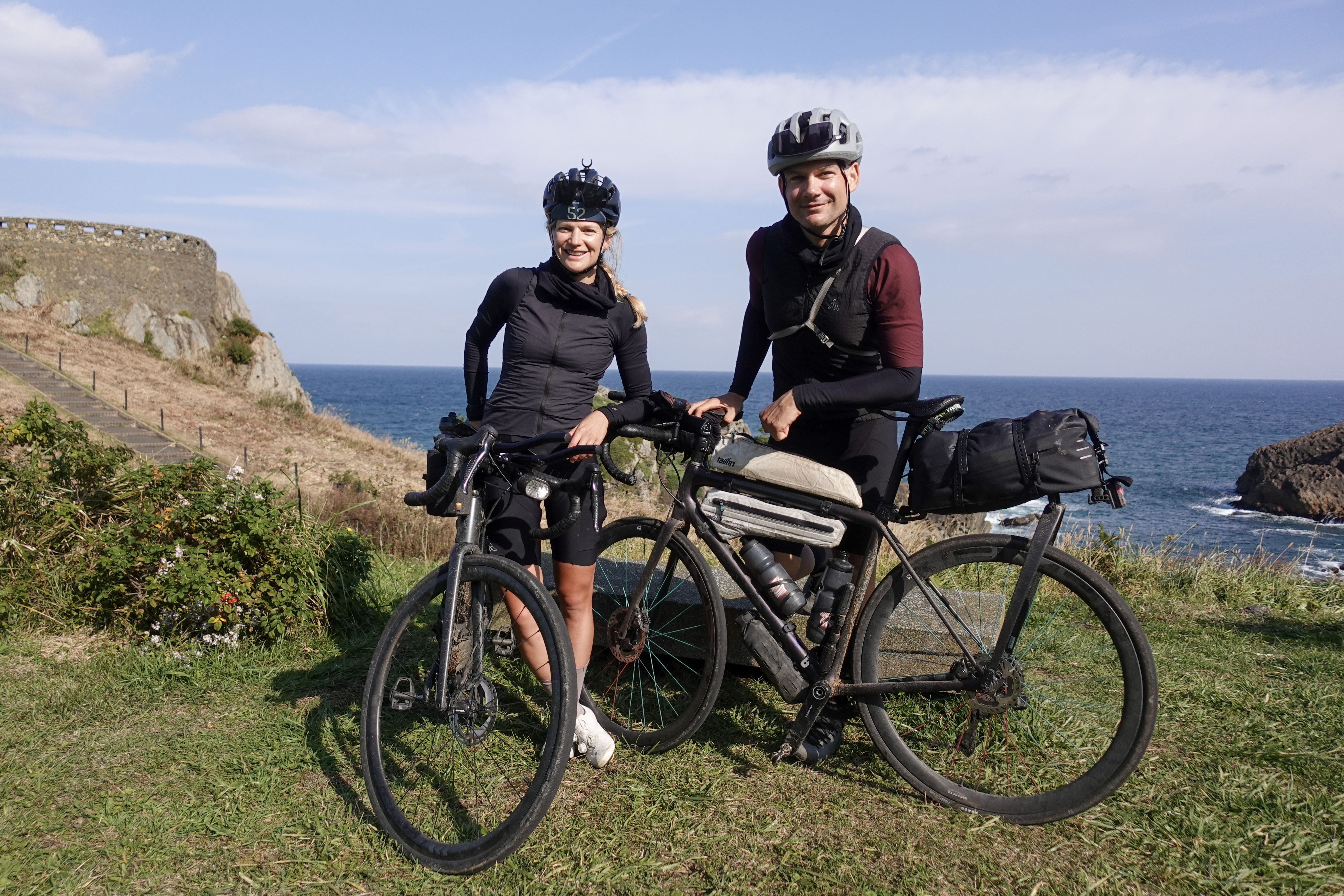
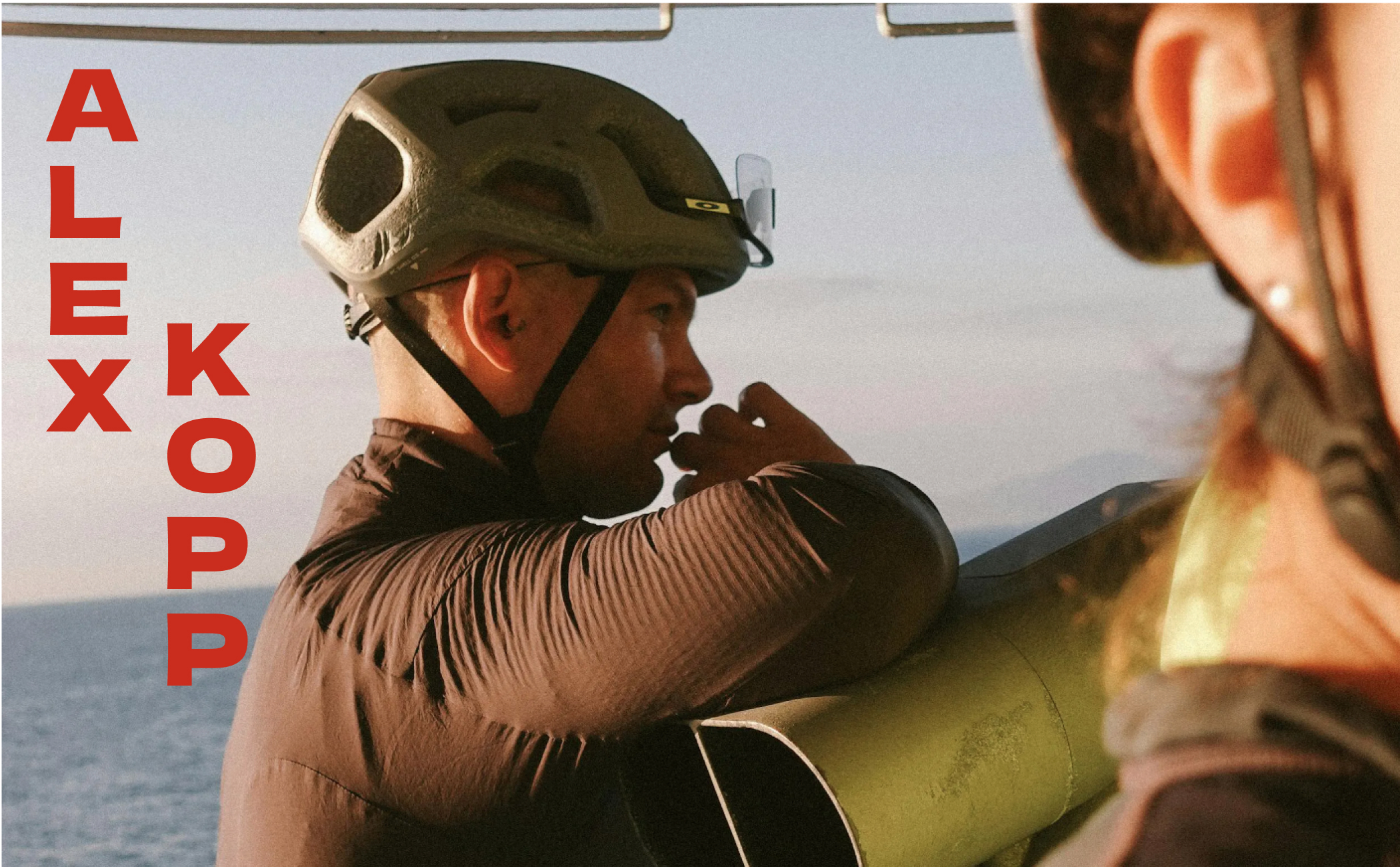
Like many ultra-events, the Japanese Odyssey is built around the journey rather than the finish time. For Alexander Kopp, the 2,600 km route came at the end of an already full year of ultra racing — Morocco for the Atlas Mountain Race, Greece for the Hellenic Mountain Race and a host of other European countries for other rides. Japan was new ground for the Austrian and his partner, Jana Kesenheimer. Here is his account of riding it, and his take on how others can.
Why Japan
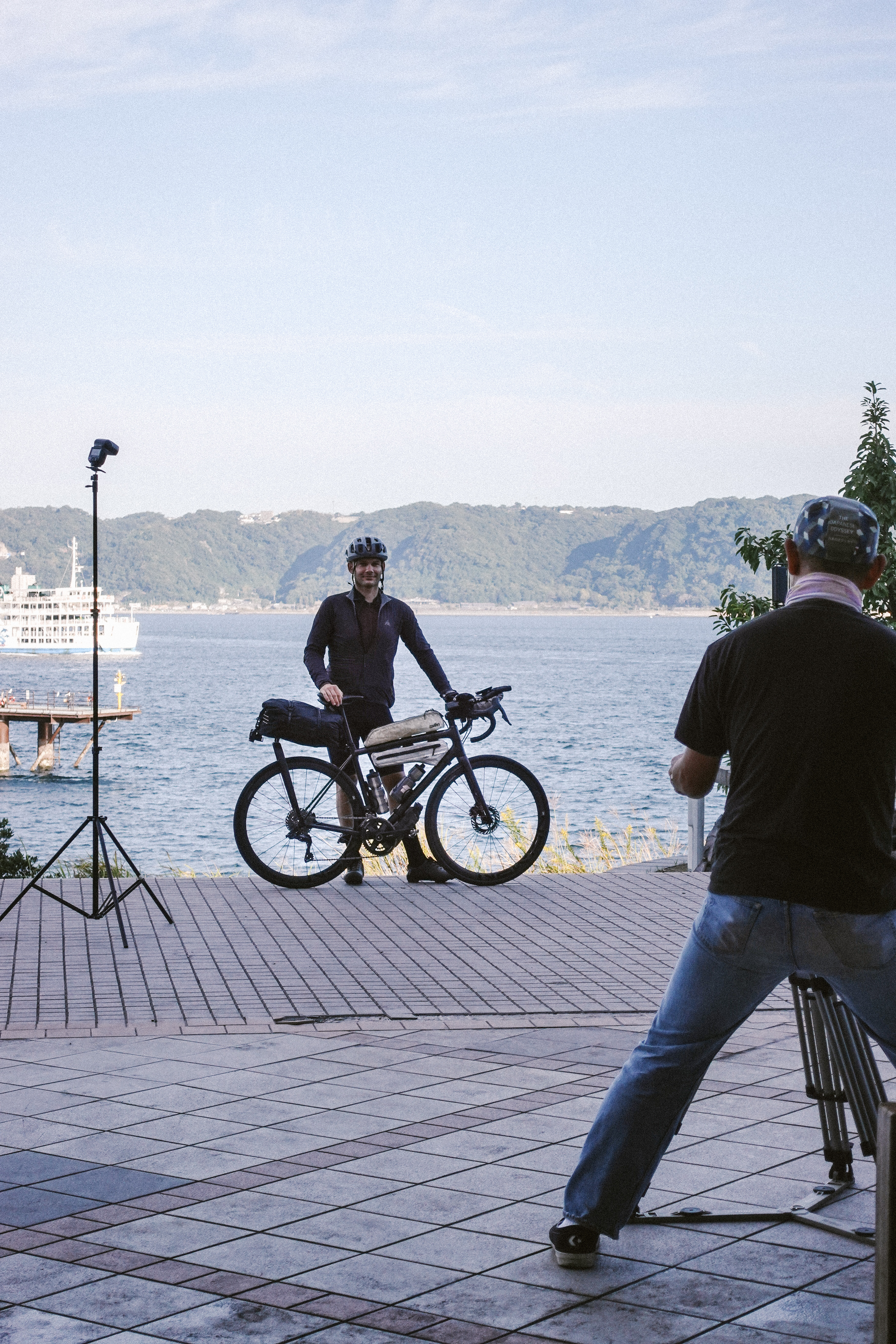
As a Shimano-Ultra, it has always been my big dream to explore the country that produces my favourite components, which have faithfully accompanied me on all my bikes since childhood. Japan has therefore been high on my list for a long time. However, the idea that Shimano parts would be scattered all over the roads and hanging freely on trees in Japan turned out to be as unrealistic as the concept of an always-full AXS battery.
Due to several injuries in the summer of 2023, I unfortunately couldn't participate in my planned races. While searching for alternatives for the fall, I came across the Japanese Odyssey, a bikepacking event focused more on the journey than reaching the finish line quickly. Without much thought, I signed up and quickly had to ask myself: how to cycle Japan?
The route
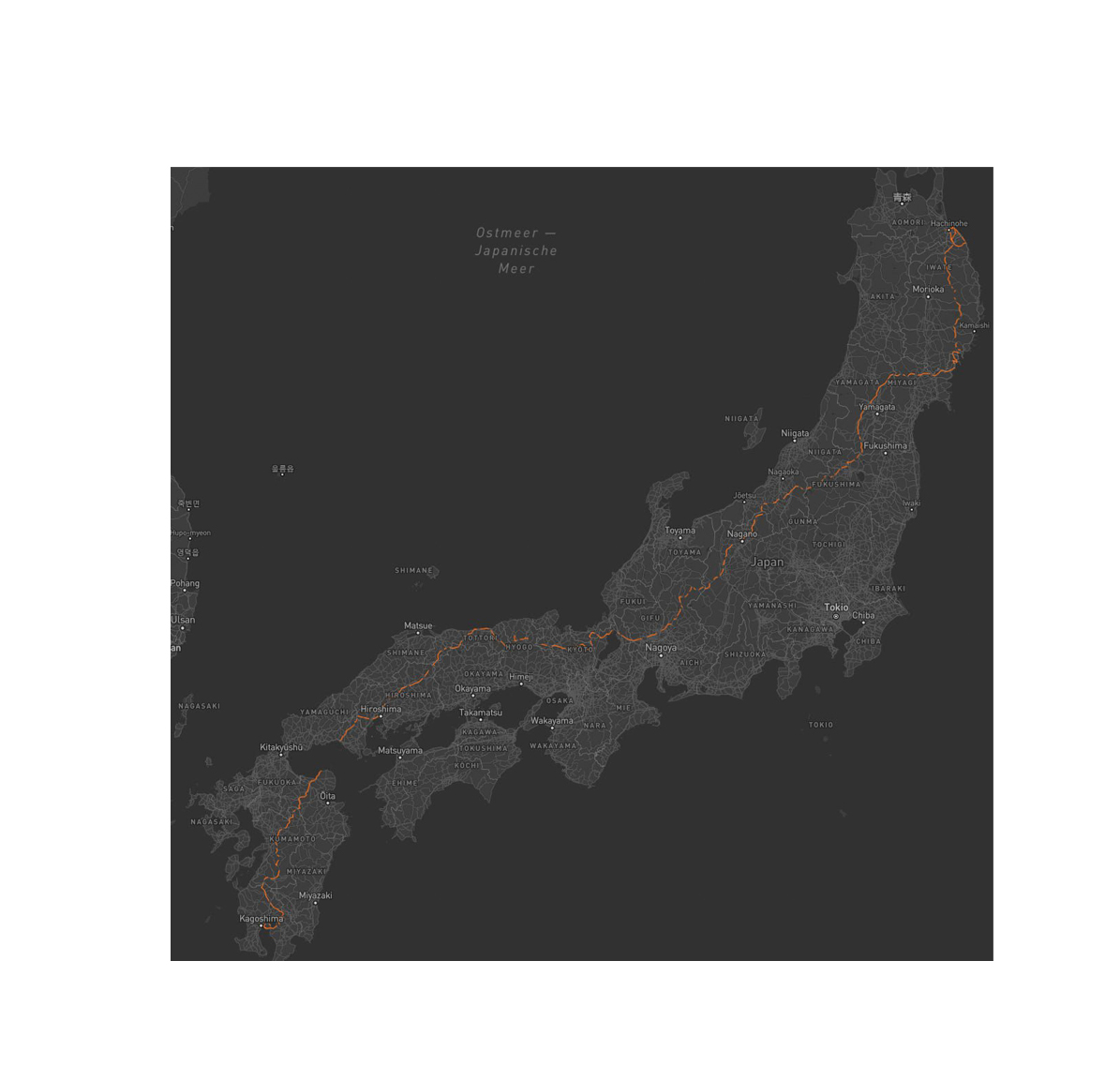
The journey started in Kagoshima, the Mediterranean south of Japan, also known as the Naples of Japan. The destination was Hachinohe, a rustic harbour town at the northern end of the main island. In between were 15 checkpoints and courses, to be connected in the most meaningful way with a free choice of routes. Depending on the route, this adds up to approximately 2,600 km and 40,000 metres of elevation gain.
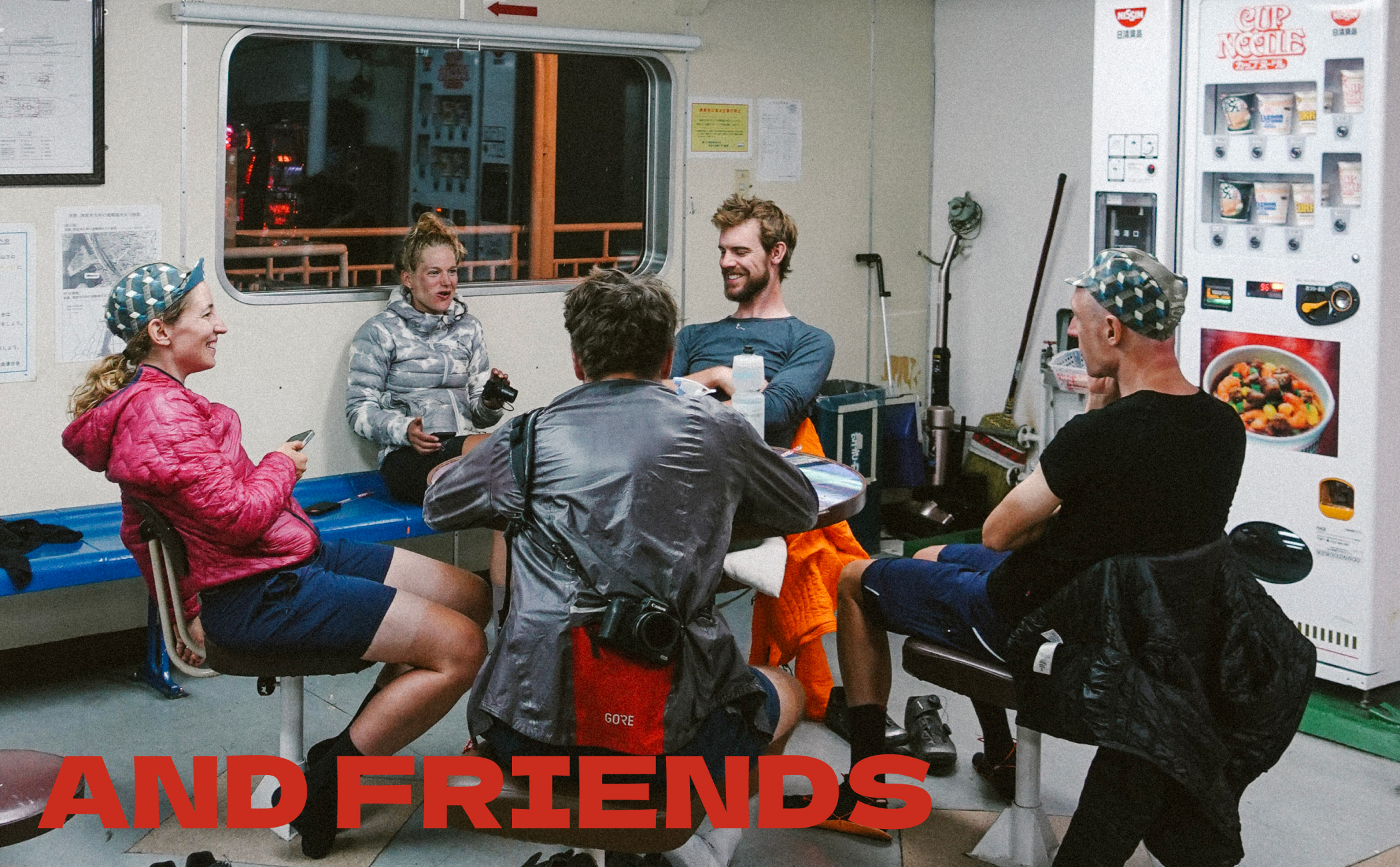
The theme of this year's event was "The narrow road to the deep North." A brief look at the map reveals that Japan does not have that many flat areas; it is predominantly mountainous. The route crossing the country all the way through the interior of Japan is a succession of climbs, hills and mountains. It was clear to me that I didn't want to ride this event alone, as it was not about the fastest time but about the experience, and I wanted to share that. Fortunately, my partner Jana Kesenheimer, an experienced ultra-cyclist, was quickly motivated to join me on this mission.
Arriving in Kagoshima
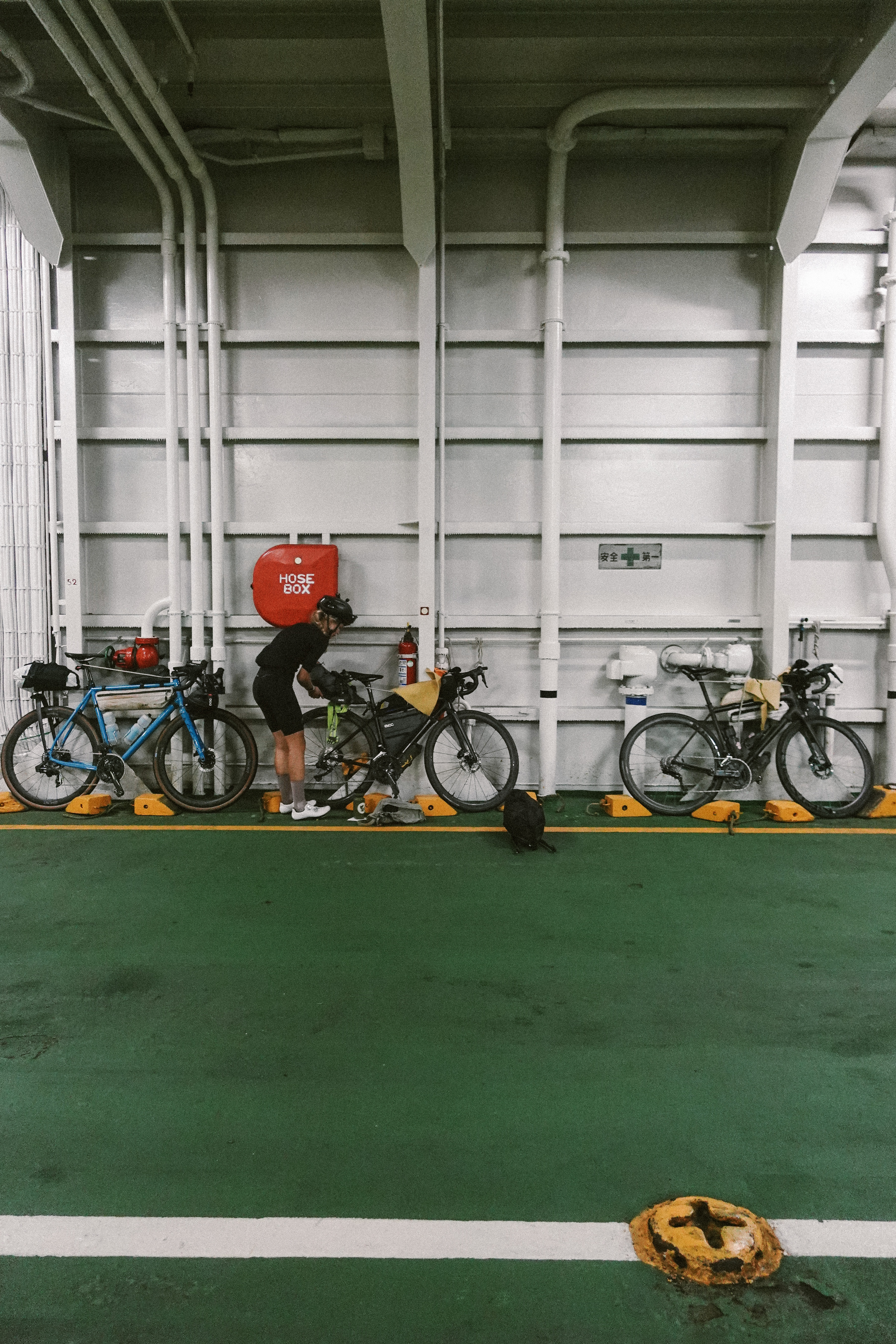
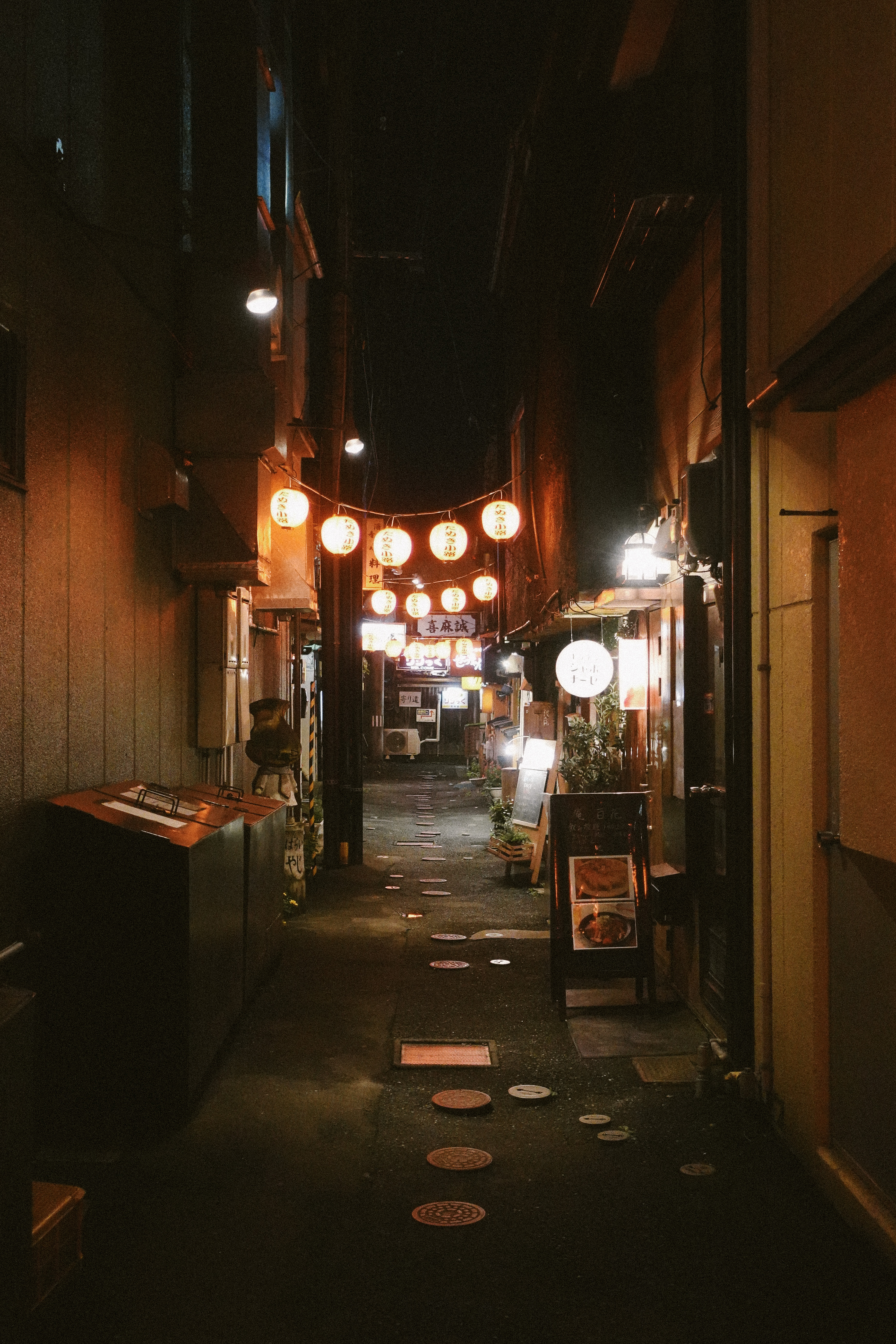
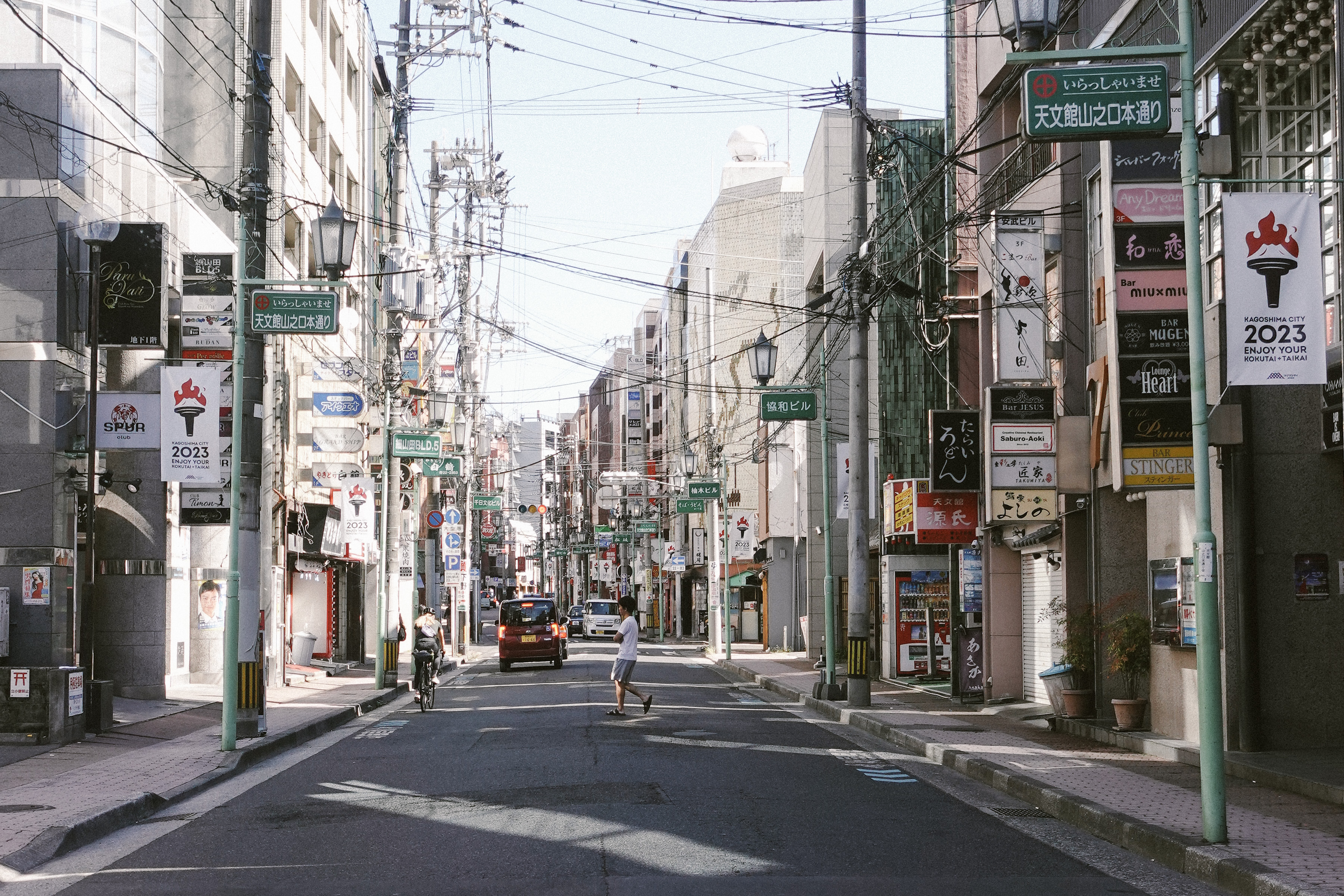
Flights were quickly booked, and 2 months later, we found ourselves in Kagoshima, confronted with the cleanliness and tidy appearance of the entire country. We were transported into a parallel universe that is very similar to Europe but different in every way. Once you overcome the initial, very obvious otherness of Japan, your inner compass works very well and you get to know your way around quite quickly and you are not hopelessly lost, if it weren't for the left-hand traffic.
Finding a rhythm
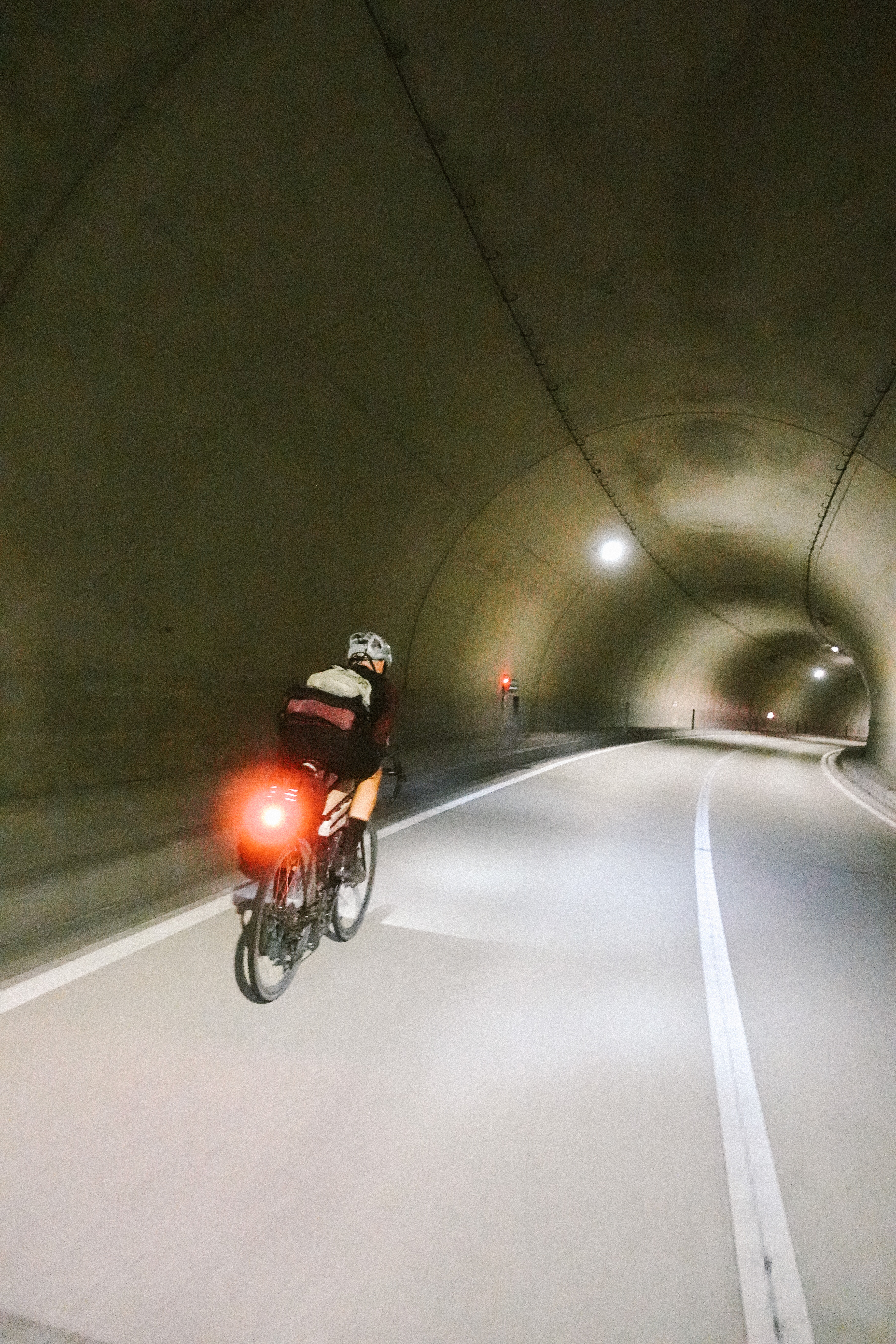
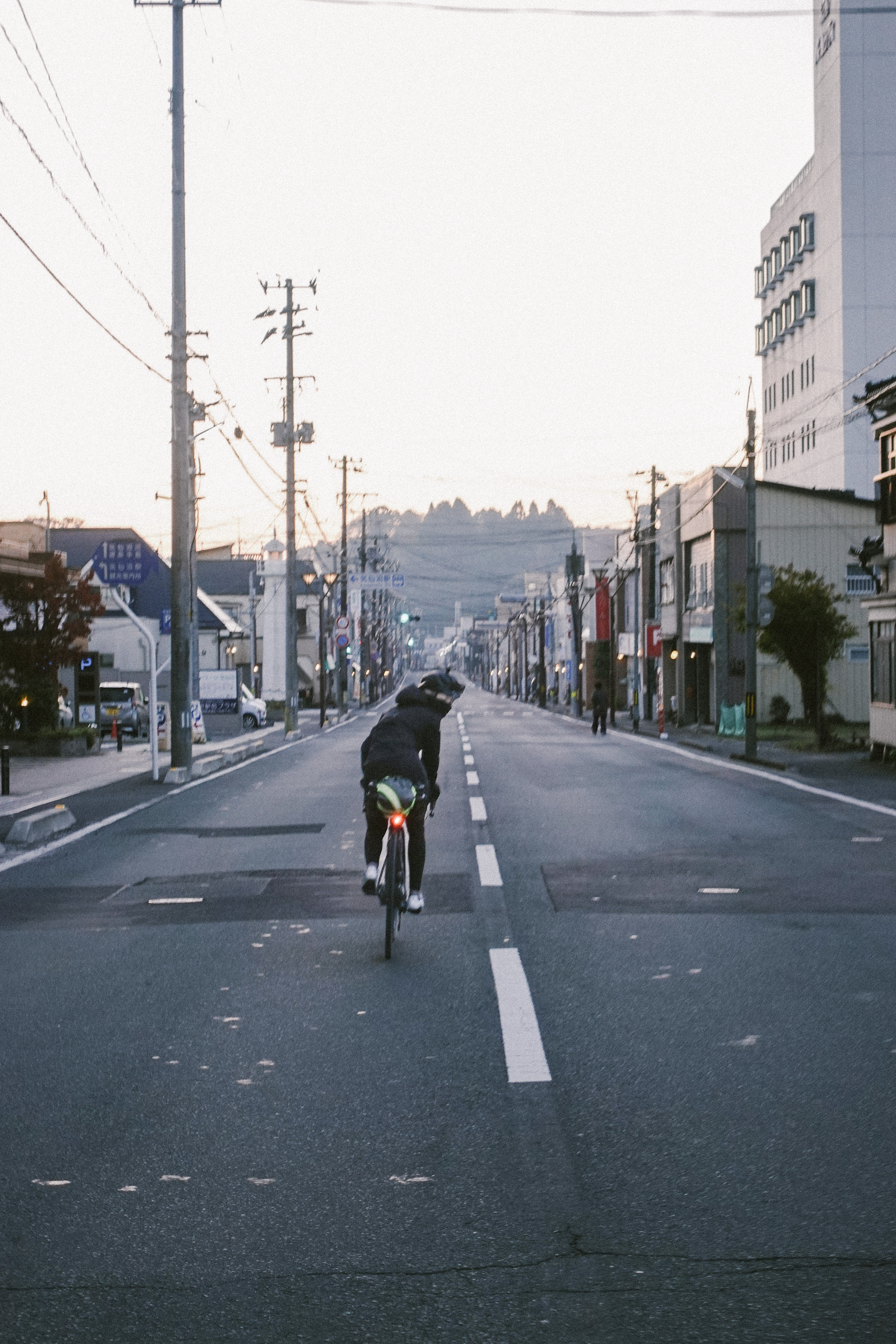
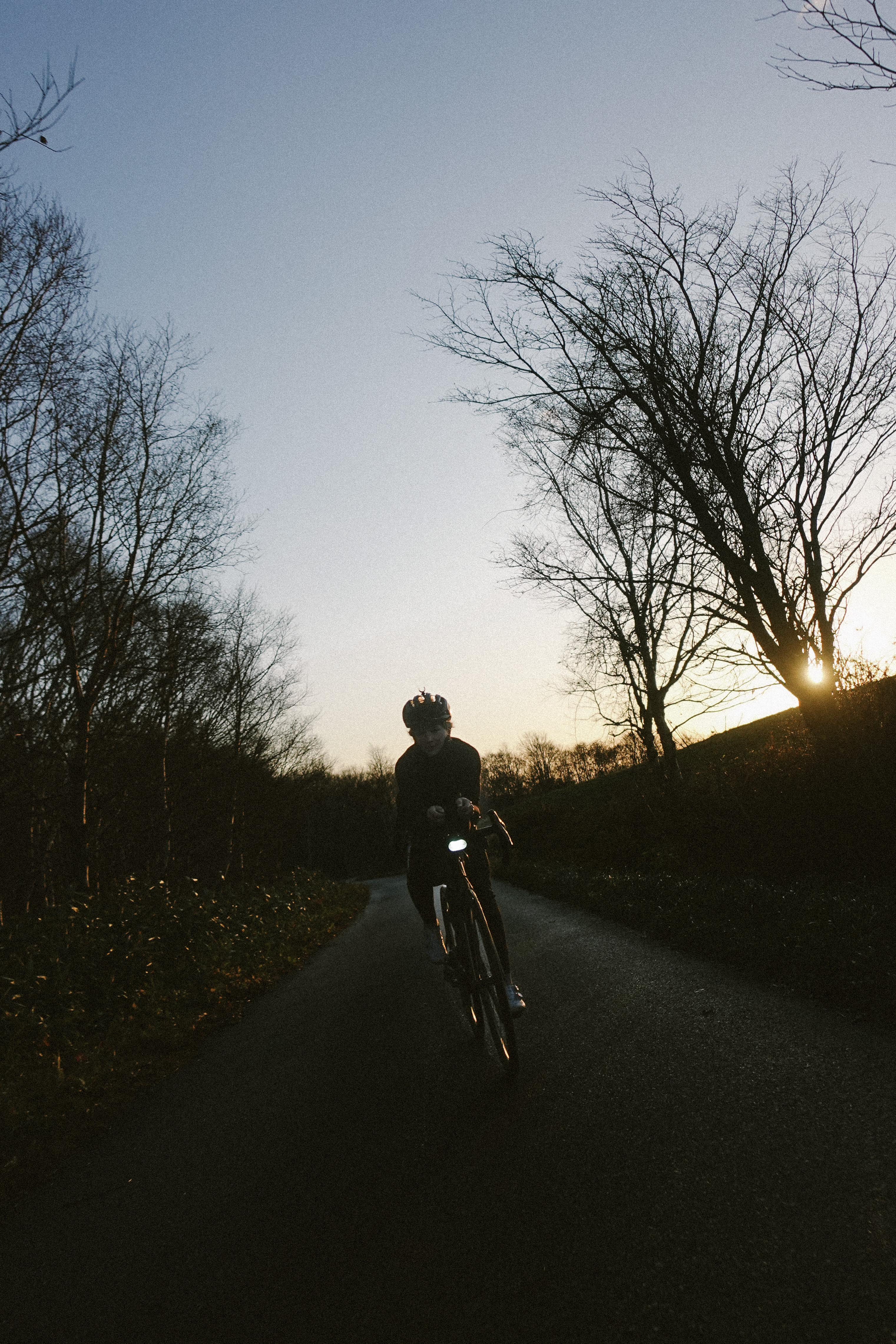
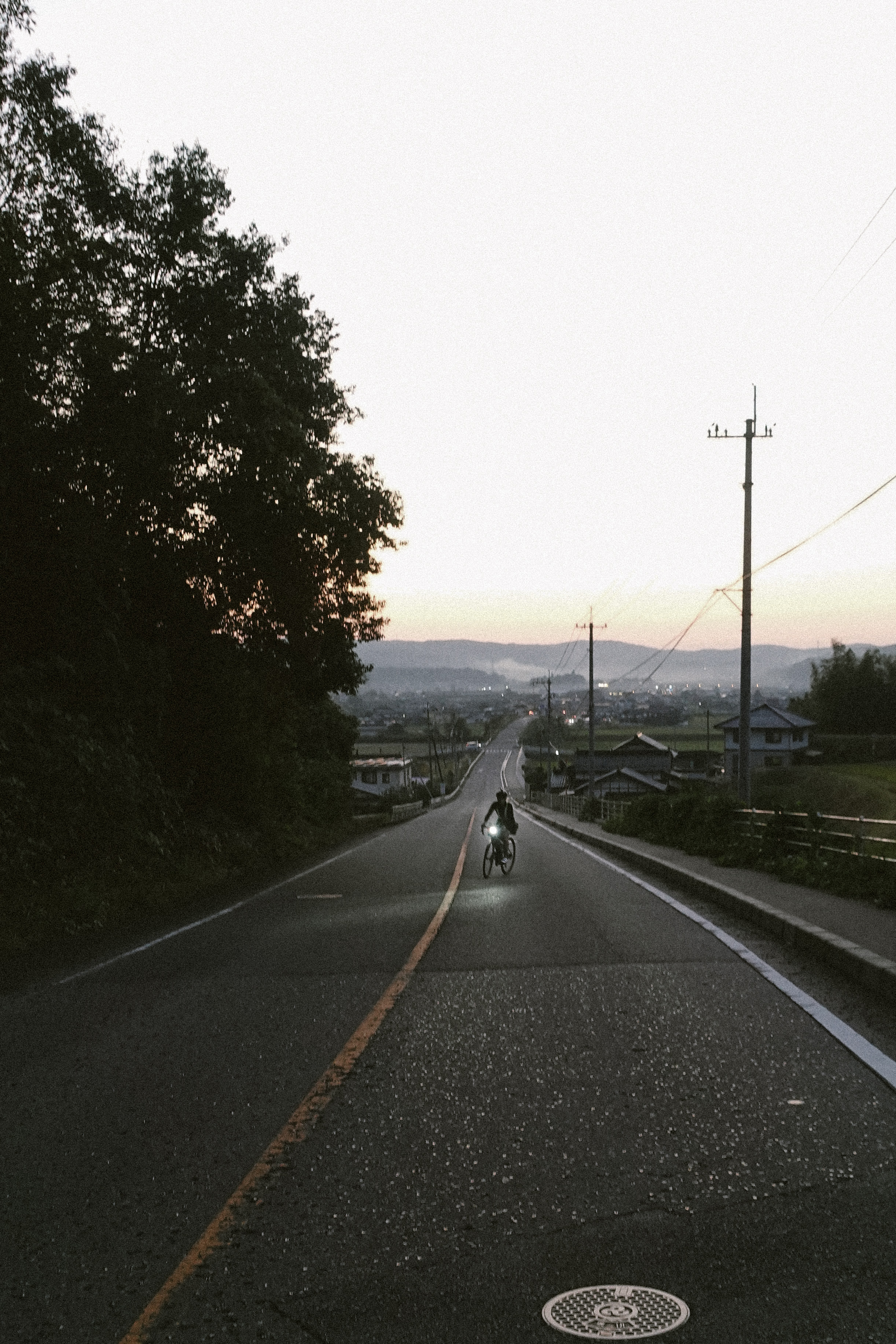
I actually expected us to be hopelessly lost by day 3 at the latest. The Japanese road network is huge, very convoluted, and includes countless roads. Typhoons that sweep across the country every year produce this network, as many roads are destroyed by them and rebuilt elsewhere. To anticipate, we were never really lost and smoothly reached the finish in 9 days and 3 hours. We quickly found our rhythm, cycling from 6 am to about 10 pm every day, covering approximately 280 km and 4,000 metres of elevation gain daily.
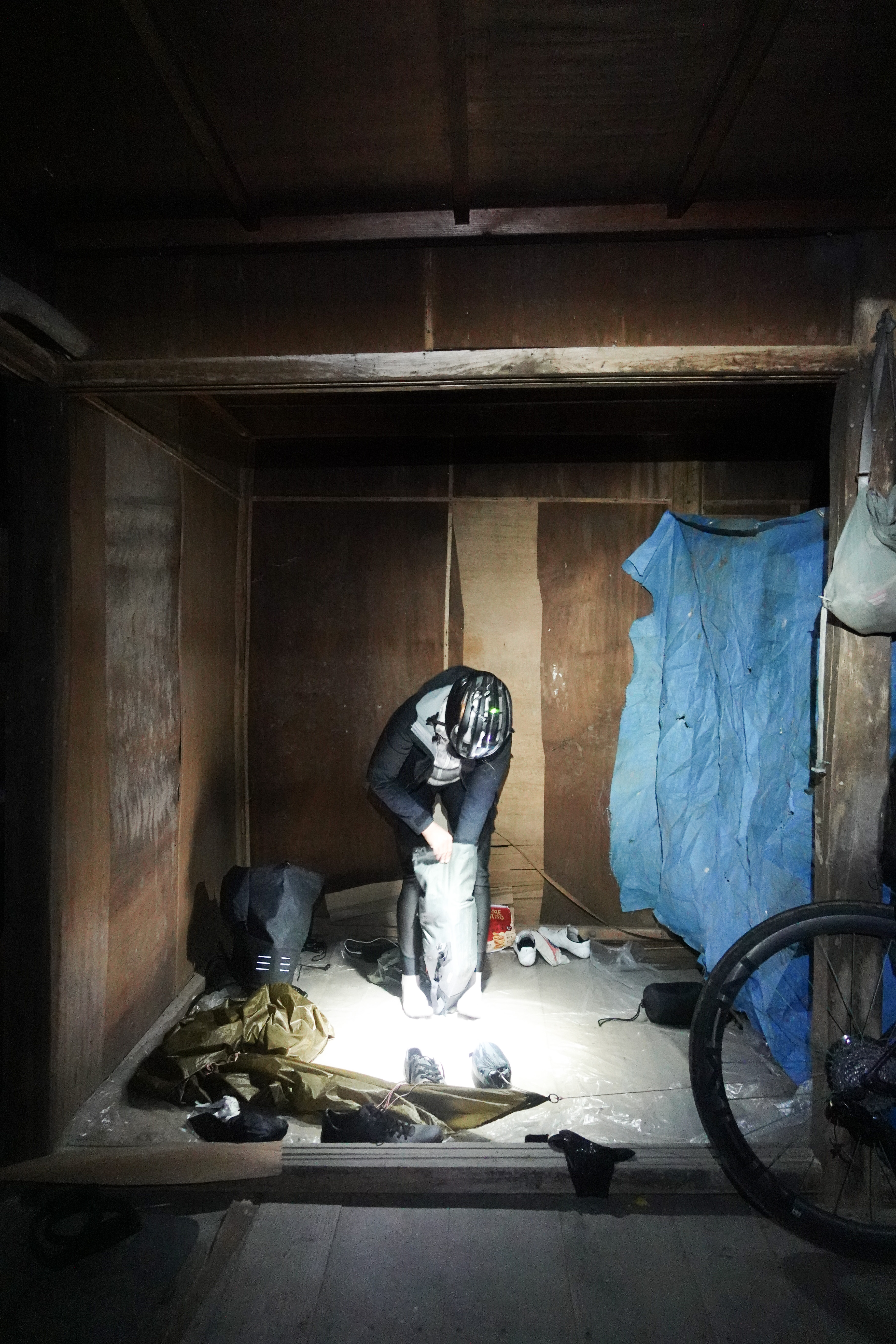
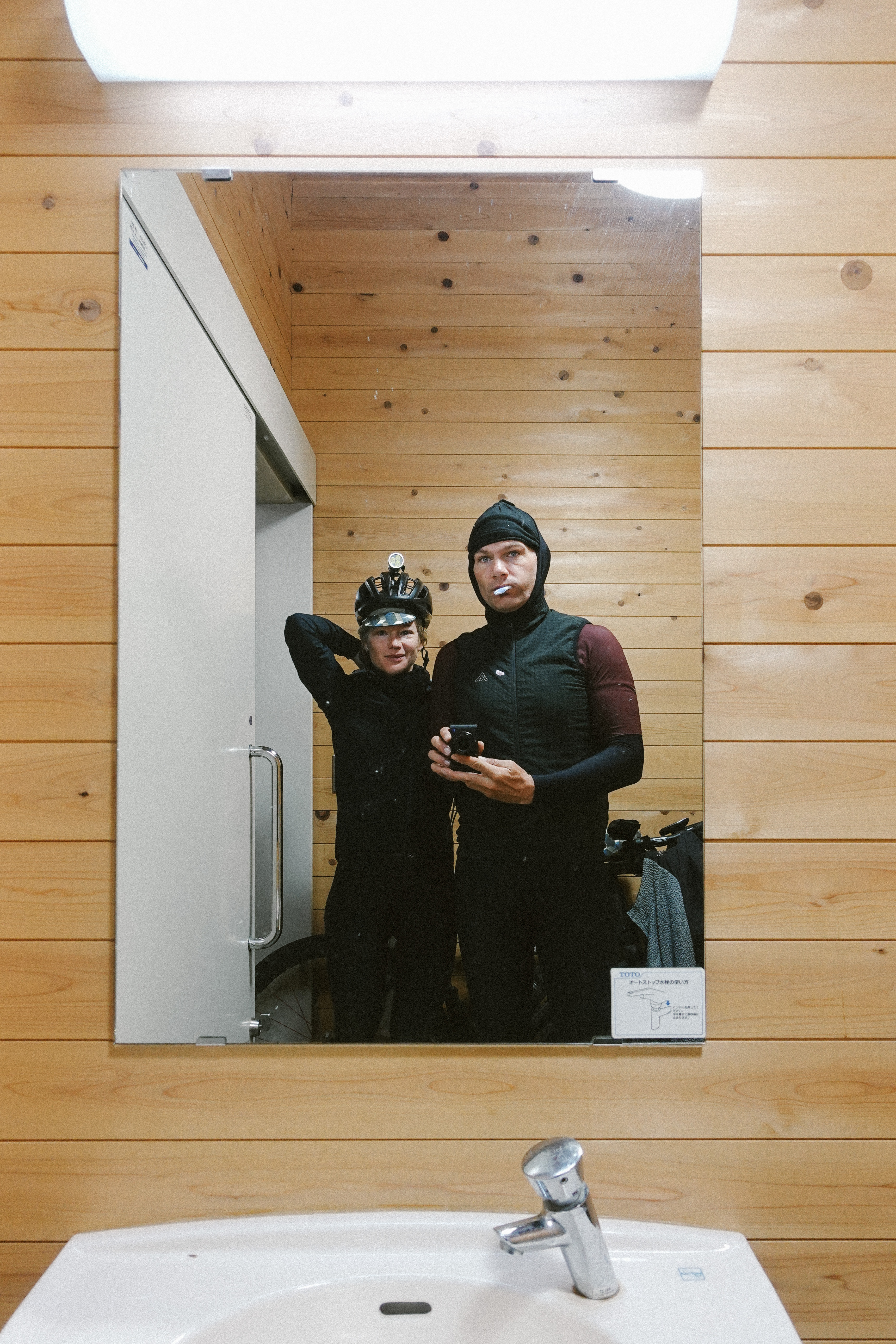
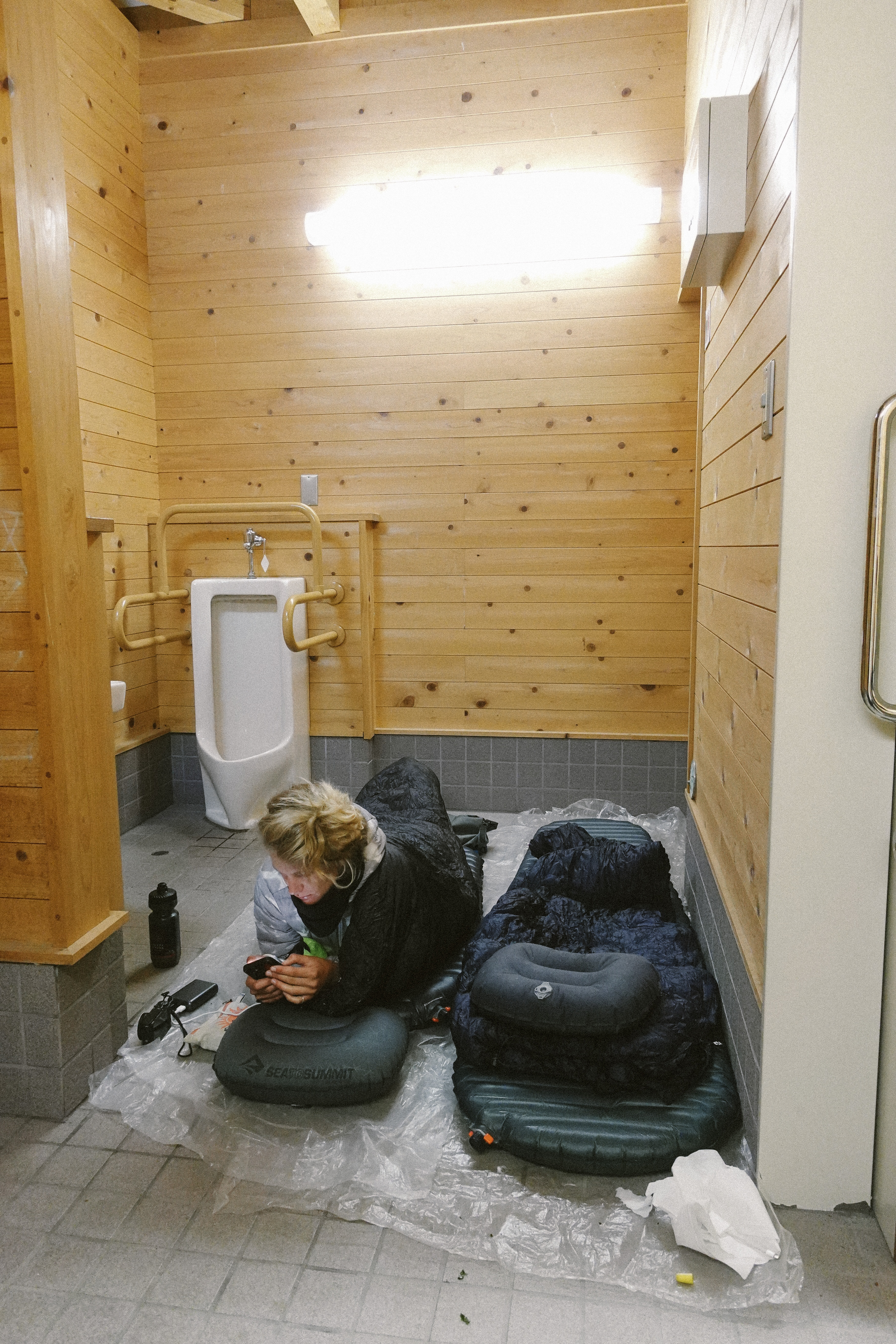
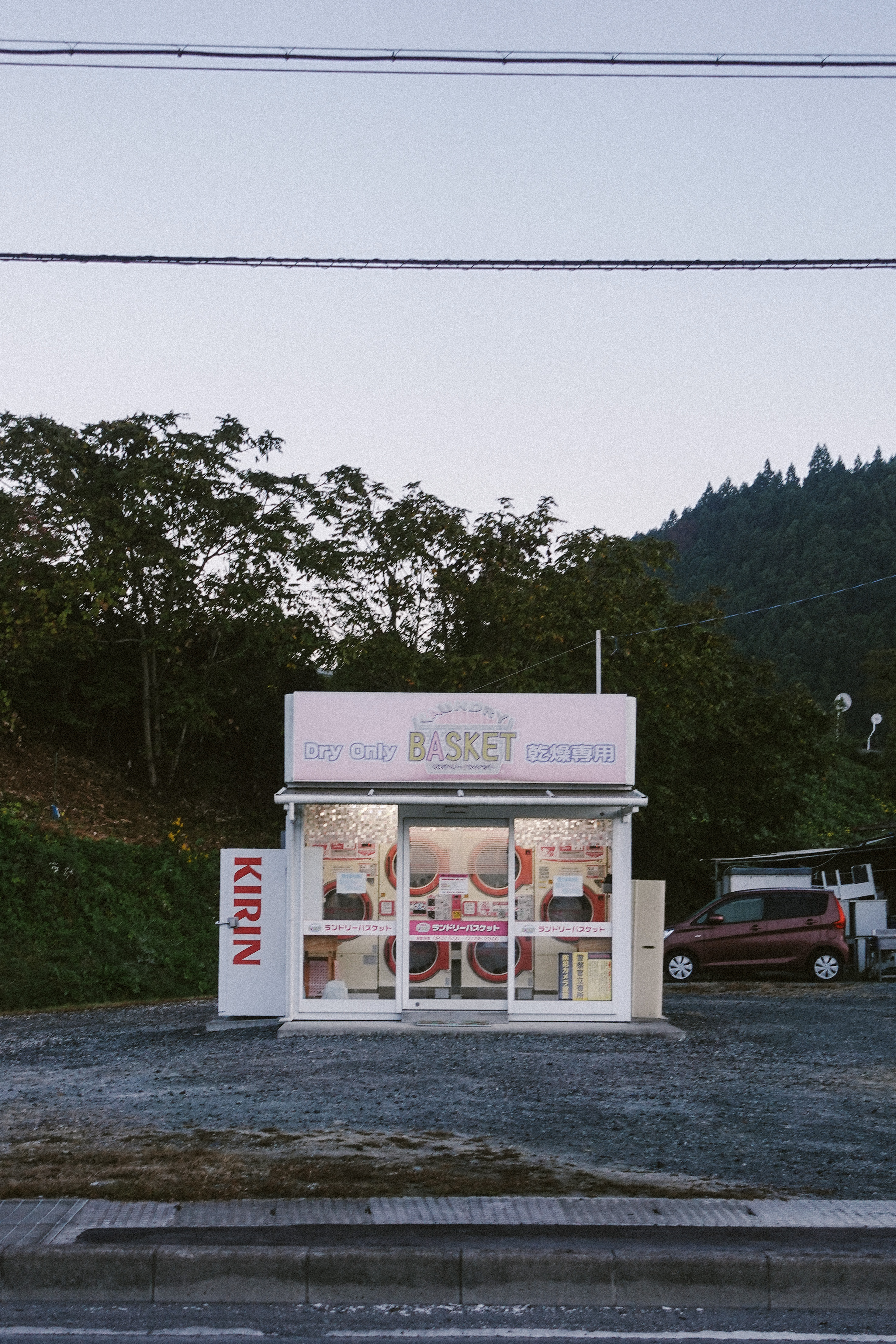
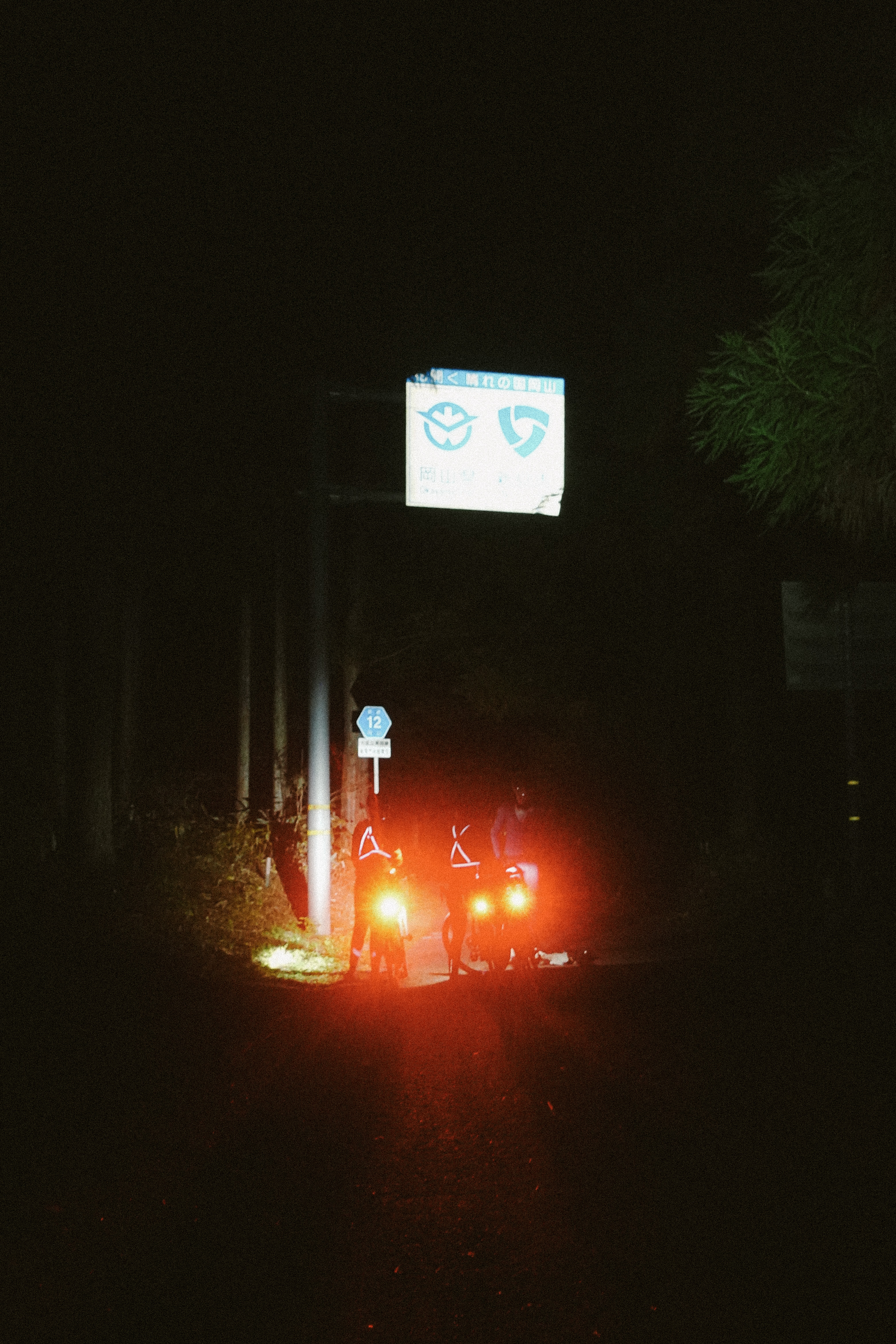
Our plan was to sleep in hotels only every 3rd night. We had a sleep setup that should work down to about 0 degrees Celsius. However, I fell ill on day 3 and Jana was then struck down by a severe cold for the rest of the time after my recovery on day 5. Thus, we spent only 3 nights in public toilets and deserted huts and the rest in sometimes dubious hotels on the smoking floor.
Learning the manners
Throughout the duration of the ride, I learned what it meant to ride across Japan, and turns out, it doesn't involve much. It is a safe country with excellent infrastructure and a high standard of living. You can throw yourself into the adventure without much pre-planning and look forward to making mistakes. Very few Japanese will address your misbehaviour, and it is up to you to figure out how interpersonal relationships are lived in Japan. We quickly found that a deep bow always works, and a polite demeanour is highly appreciated. You could also do it athletically, as a deep bow produces an even deeper one in the person opposite you. Through this wild ride, we received a crash course in Japanese society and returned home with more question marks than we initially had. I believe we stood out quite a bit without realizing it, as it is not intended to patronize others. As a small anecdote: not even 30 minutes after our return to Austria, I was walking on the street and got a middle finger for walking on a bike path from a cyclist (great to be back home). So, I can only recommend observing and adapting to Japanese interpersonal relations with open eyes and ears, which is truly fascinating.
Konbini and onigiri
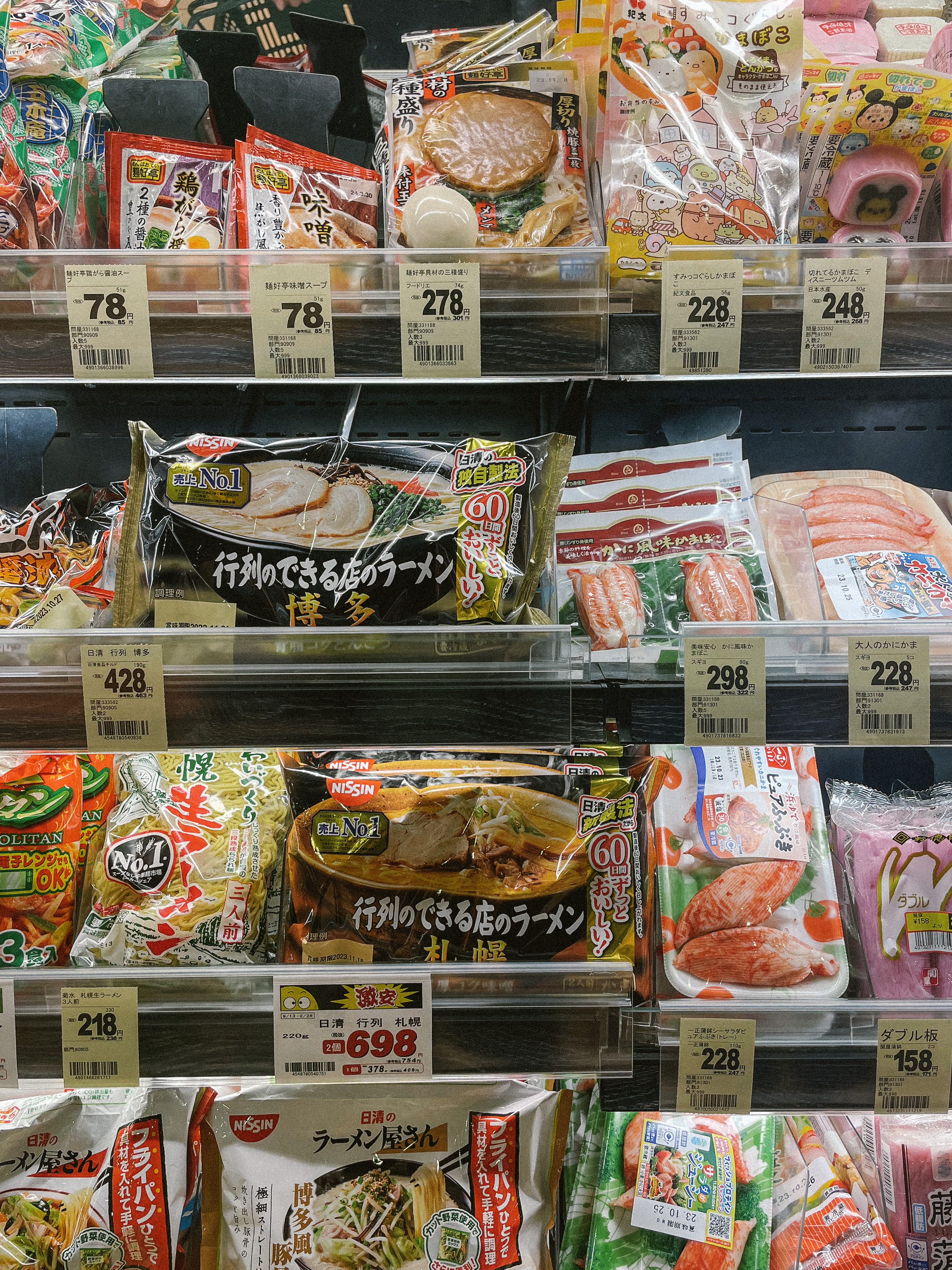
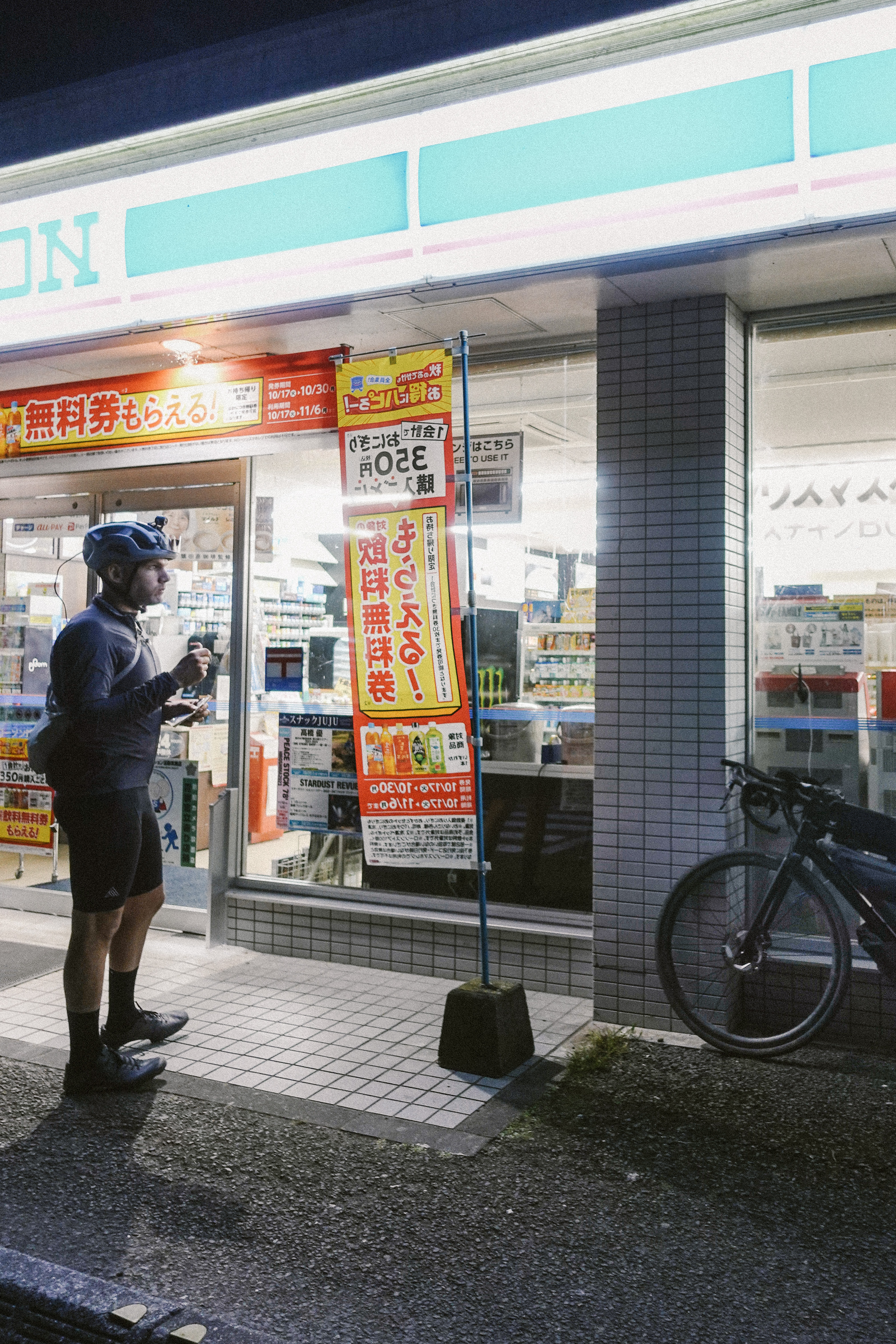
The provision on the road is great for an ultra bike event. I have cycled in several countries and have never eaten so well. Throughout the country, there are about 50,000 Konbini stores, open 24/7, providing everything you need after 10 hours on the bike and much more. We mainly ate onigiris during the event. These are spiced rice triangles. They can be eaten with or without a filling or seasoning mix sprinkled on top. Perfect for the troubled ultra-cycling stomach.
From subtropical south to cold north
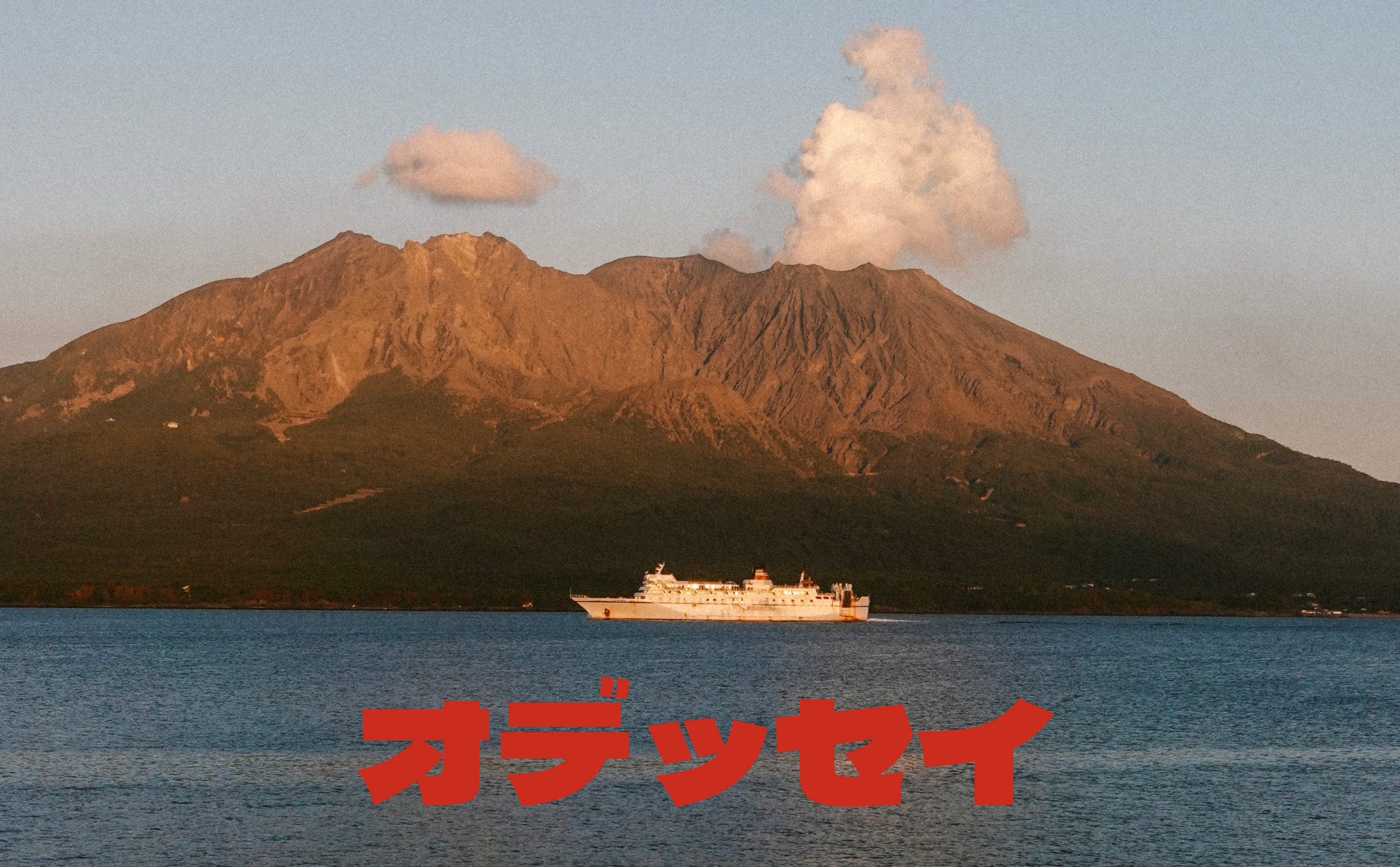
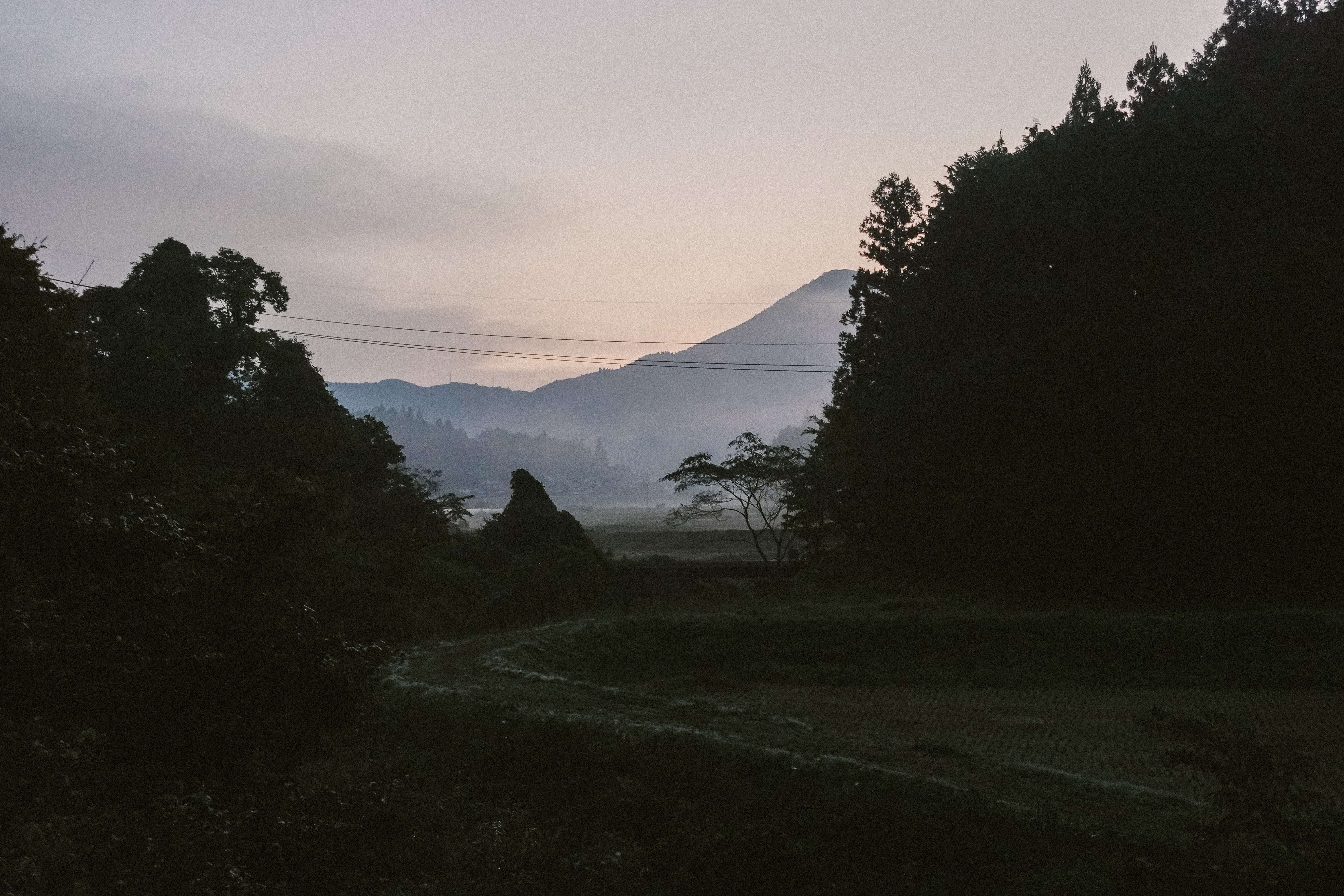
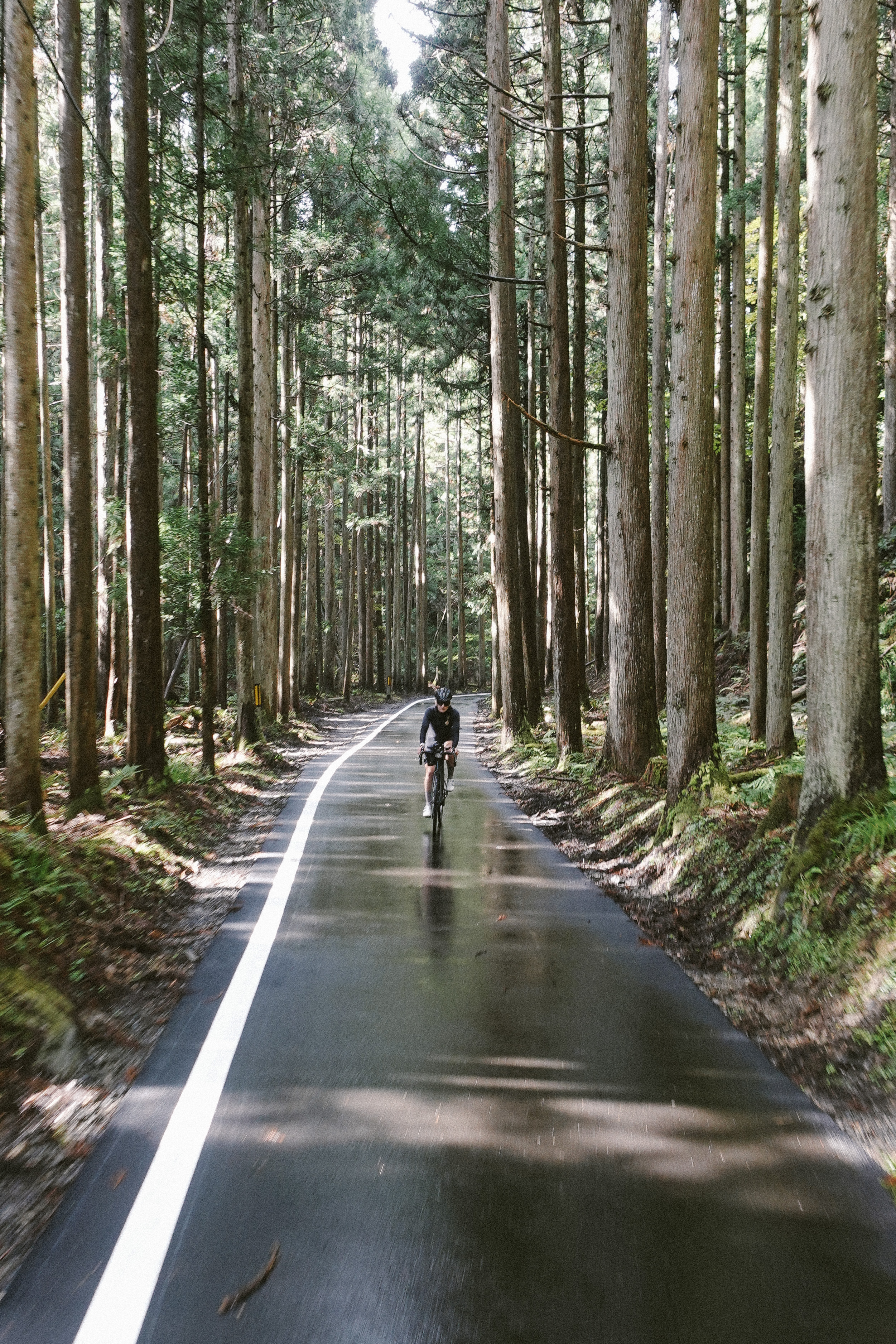
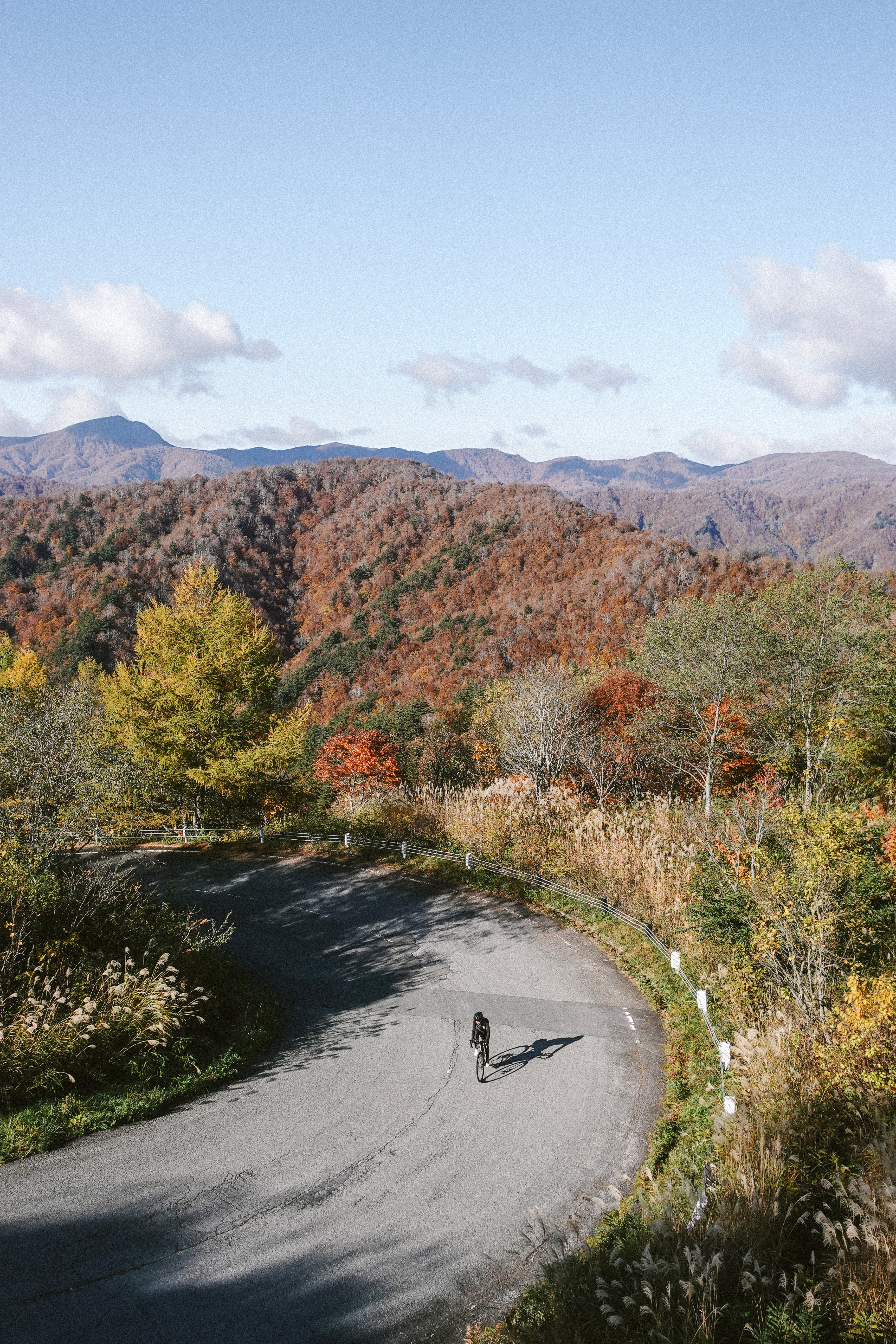
The landscape change in Japan from south to north is fascinating and characterized by diverse topography. Starting in southern Kagoshima, you experience a subtropical climate with volcanic influences, especially due to the presence of the active volcano Sakurajima. The region is characterized by lush vegetation, hot springs and volcanic formations. Crossing the central region of Honshu, including prefectures like Nagano and Gifu, the landscape becomes increasingly mountainous and hilly. These areas are not only marked by breathtaking nature but also host culturally significant cities like Kyoto and Nara, nestled in magnificent mountain landscapes. In northern Japan, temperatures are much cooler, especially in winter with frequent snowfall. Here, the coastal landscape along the Pacific Ocean provides a stark contrast to the south of the country. It is this fascinating diversity from tropical climates to mountain landscapes and cooling coasts that made our journey through Japan a great experience. The Odyssey deliberately takes place very late in the year, as the typhoon season ends at the beginning of October and you have a window of about 4 weeks where there is very little rain. We were actually lucky and only had 1 day of rain.
For anyone interested in taking on this event, we rode with 32 mm tires and a light gear ratio, which I can highly recommend. Due to the length of the event, every millimetre of extra tire is appreciated, so I would take the exact same setup again.
What the Odyssey left us with
Upon completing the 2,600 km route I'd come to terms with the fact that the Japanese Odyssey had really shaken us — both physically and mentally. It was definitely not a walk in the park, but we would do it again anytime. The people we met along the way completely overturned our opinion of kindness. If you think you are friendly and accommodating, go to Japan.
As for cycling, we realized that Japan can be very well explored on two wheels. The infrastructure, landscape, food and, last but not least, the people make it very special. All in all, the Japanese Odyssey was more than a bike tour. It showed us that it's okay to plunge into the unknown and make mistakes.