Margus Riga keeps three truths close to his chest. Company doesn’t like misery. It doesn't have to be fun to be fun. And if it was easy, everyone would be doing it.
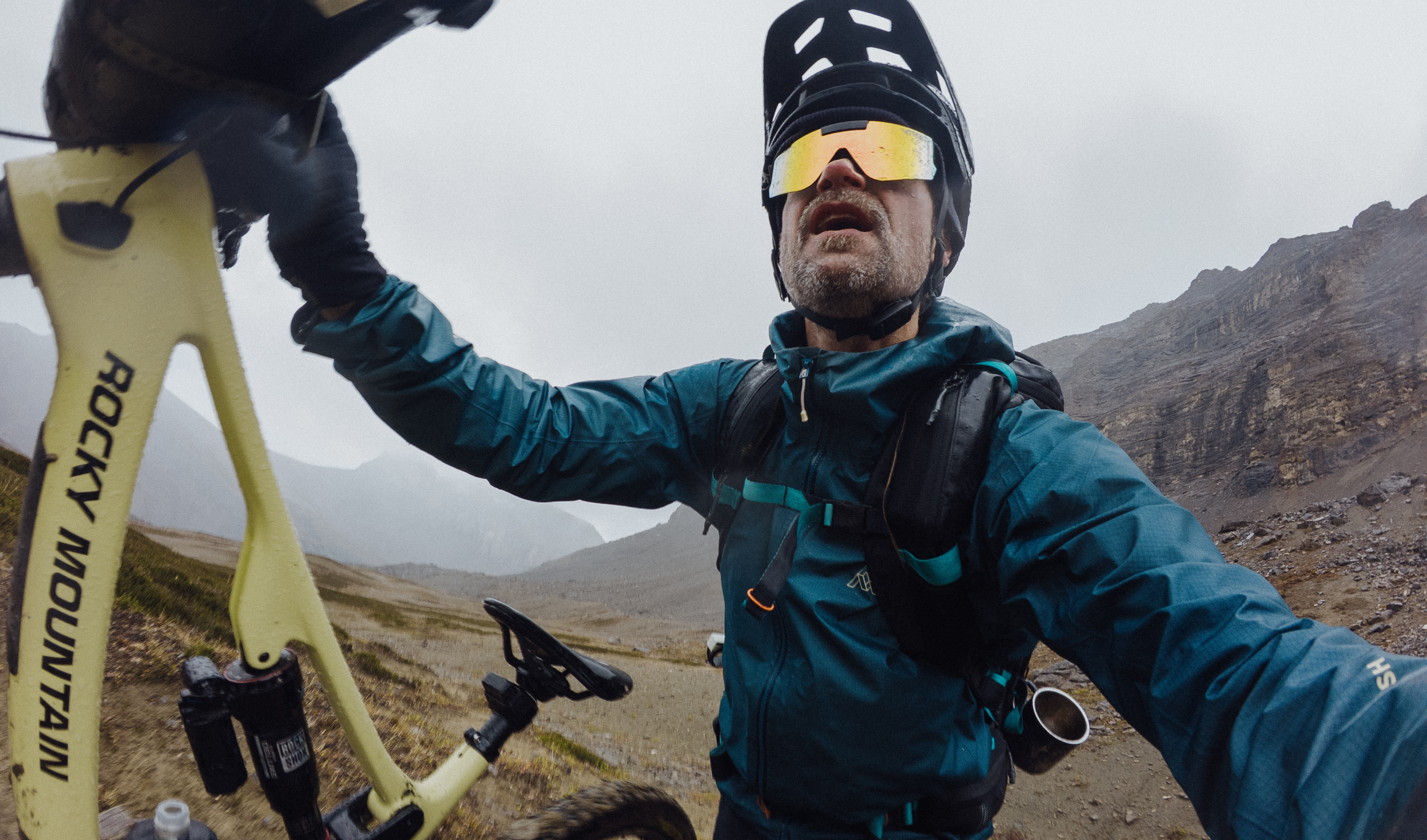
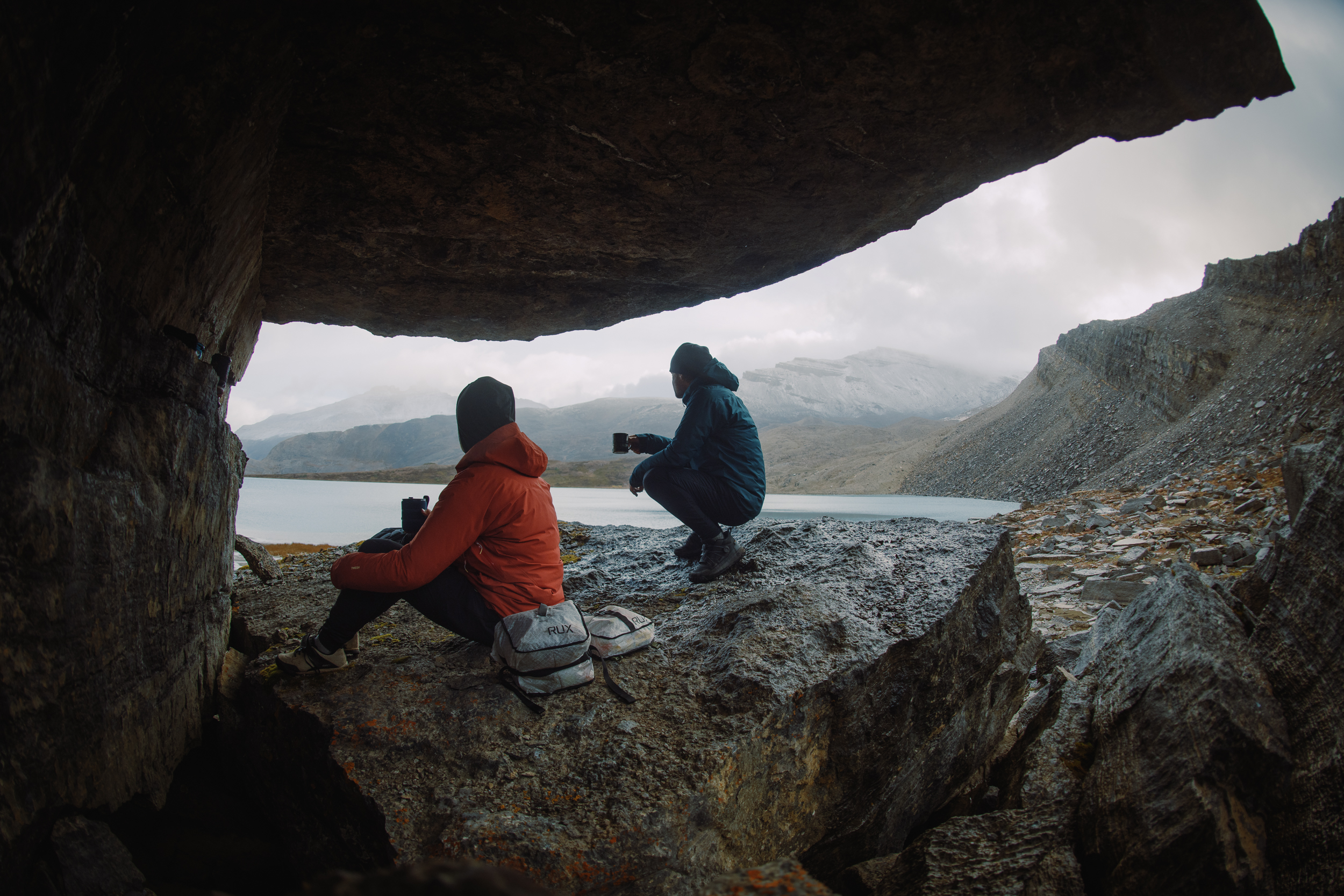
"To chase real happiness, you have to immerse yourself in discomfort. Misery even. Frozen fingers, sh***y food, weather and terrain that want to kill you. And yet, in the middle of all that suffering, I find happiness. Pure, feral happiness. That’s why I do this."
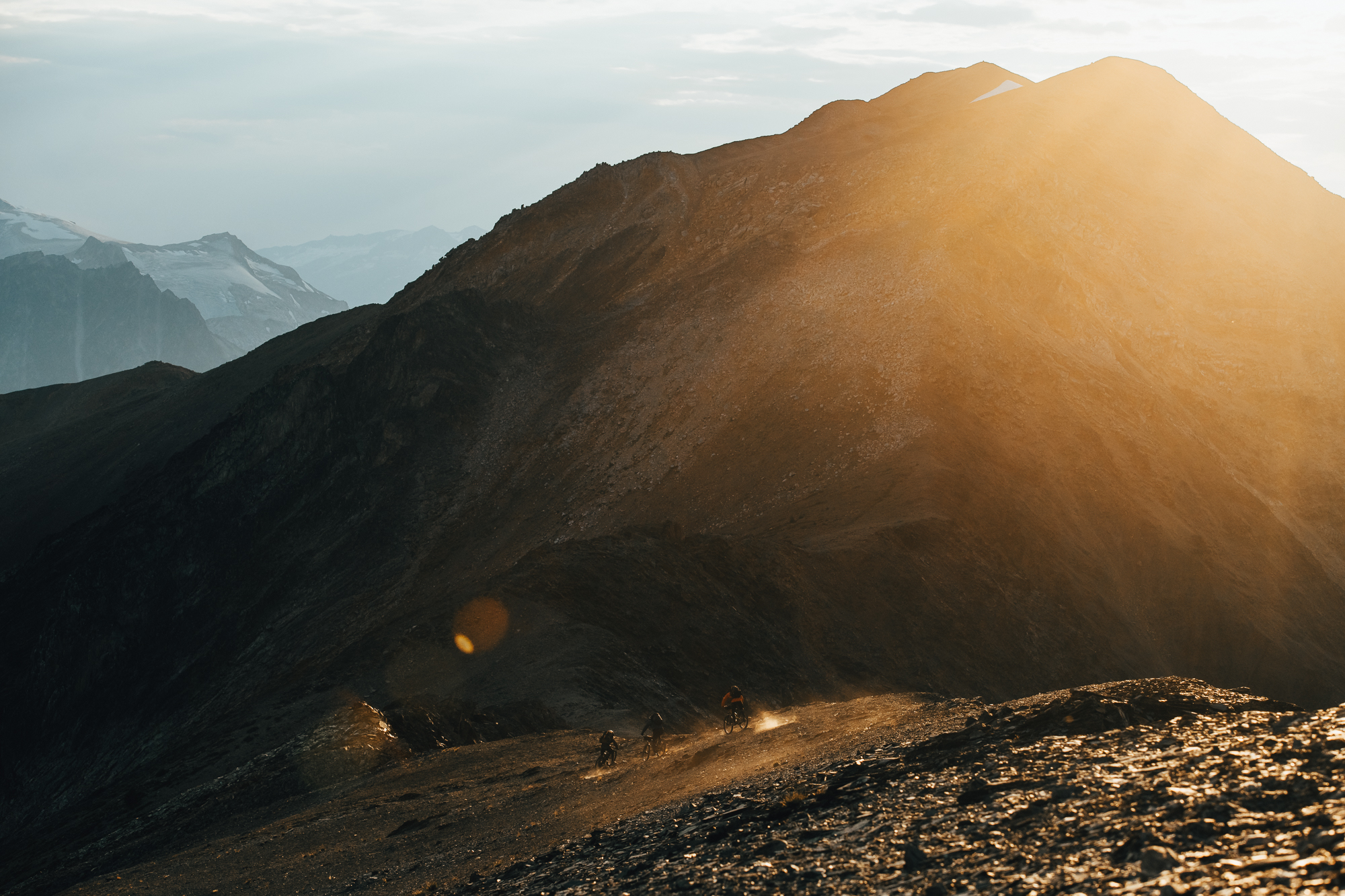
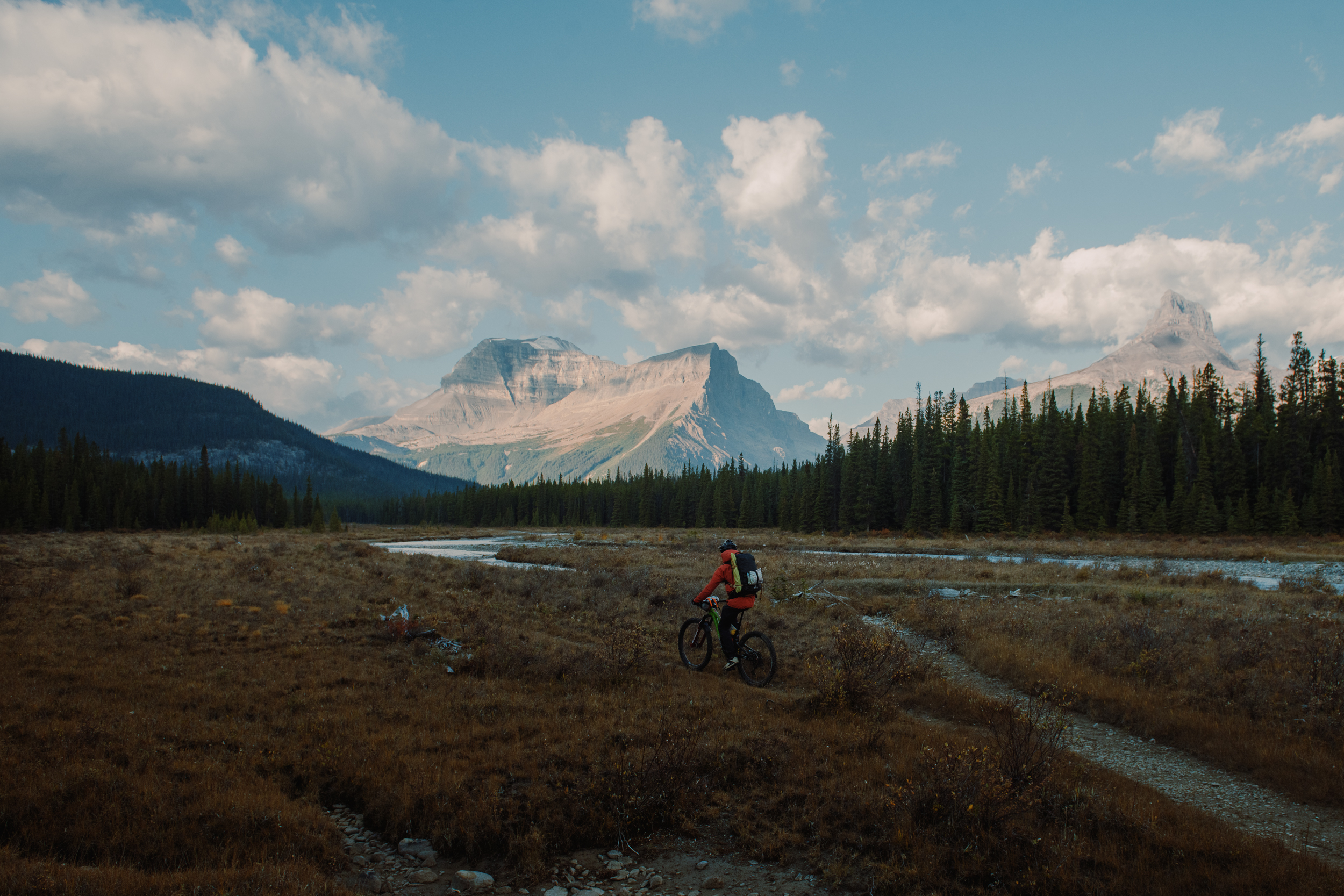
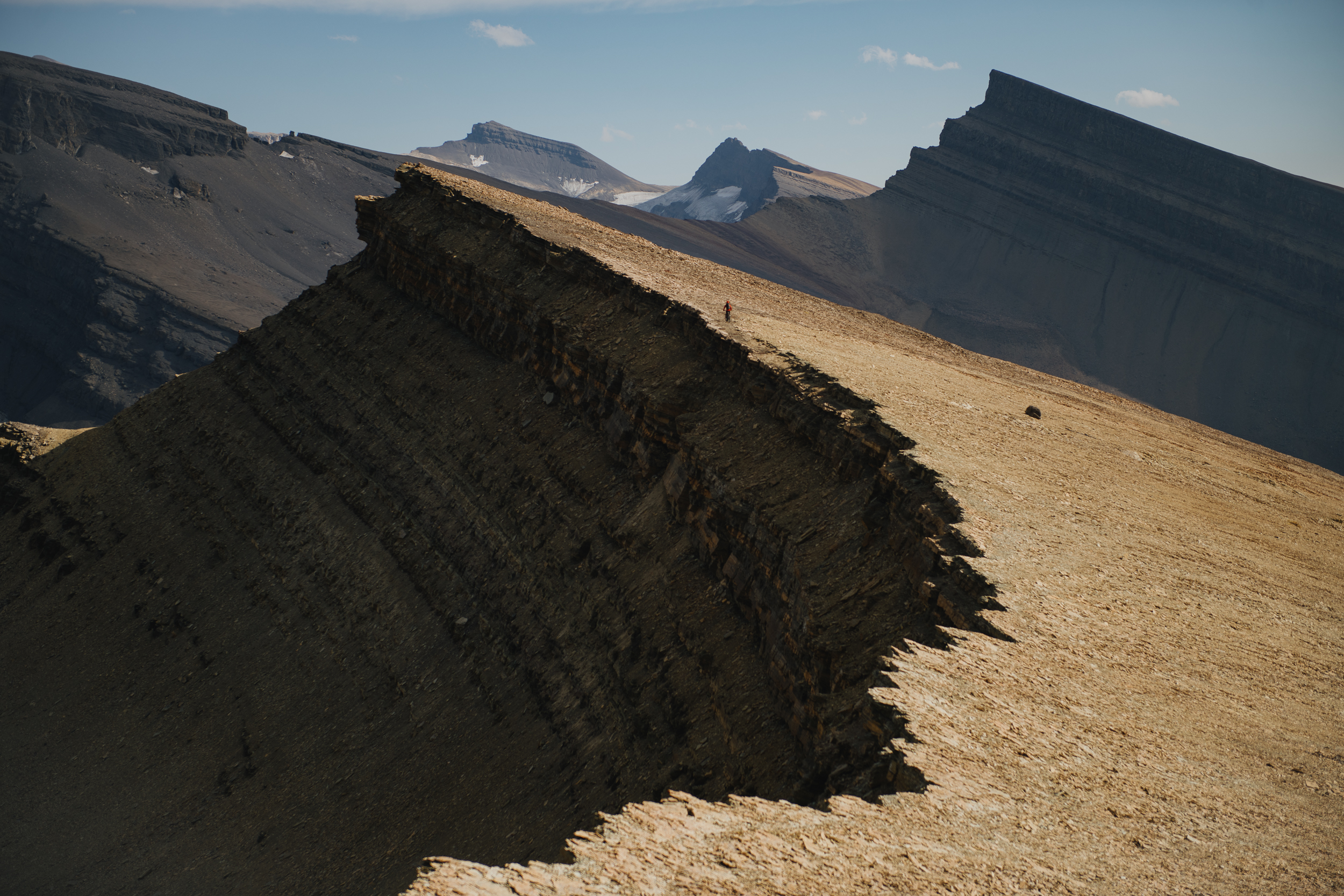
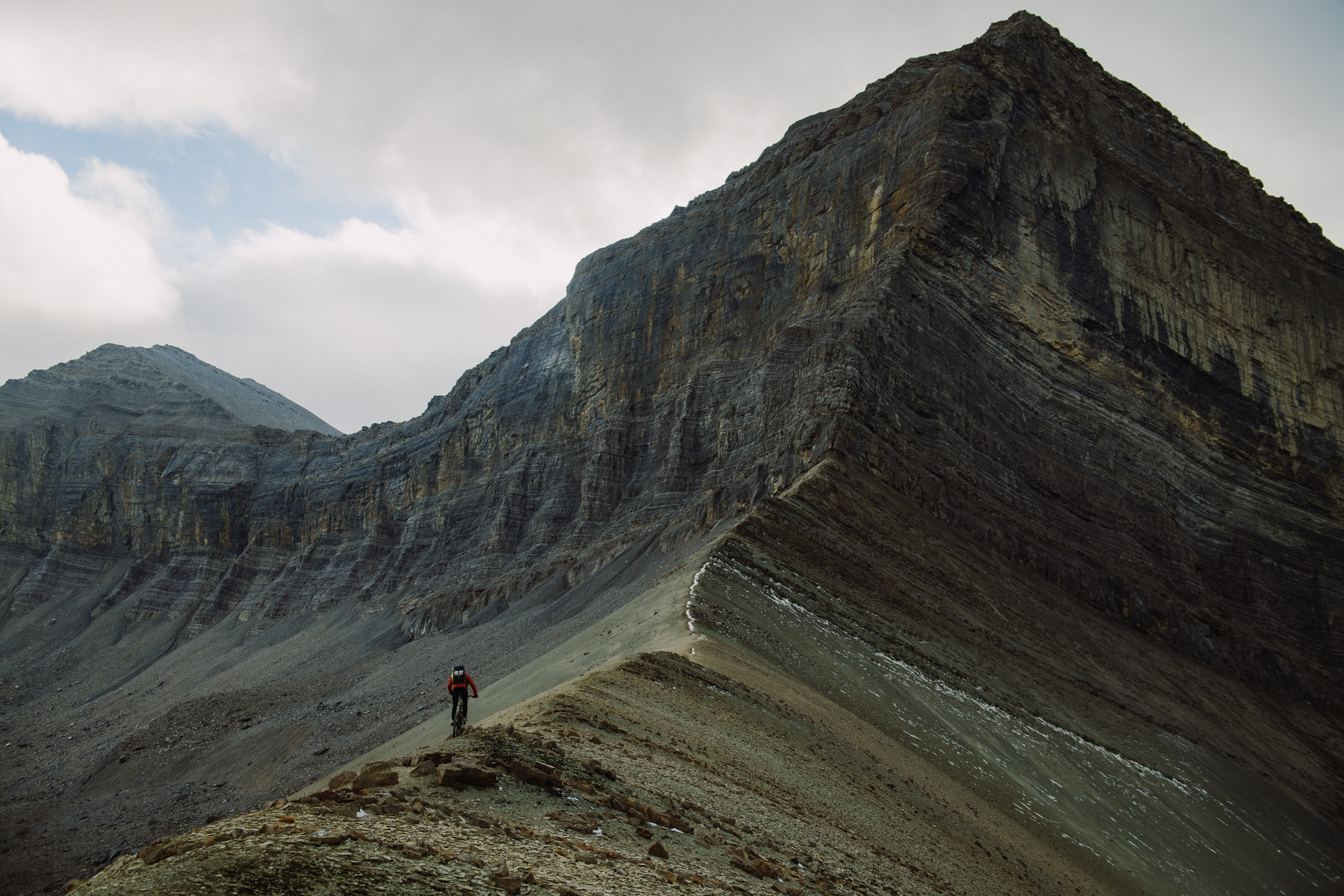
Riga has been a mountain bike adventure photographer for 18 years. Getting where he has takes a sense of humour about where you end up when you push into the unknown with just enough planning to point in roughly the right direction. In the Sea to Sky he is known among the riders who set a challenge vaguely, knowing it will be uncomfortable, and go out to see what comes of it — the group pushing at what adventure mountain biking is, on the ridgelines and scree slopes of British Columbia.
Without the difficult
Asked what mountain bike adventuring looks like now and why it matters, Riga answers plainly.
“For me, no ‘real’ human satisfaction or happiness can be had without first enduring hardship, or suffering, or whatever you want to call unwanted human conditions. Without the difficult, there is no chance of satisfaction.”
As the bikes get better, lighter, stronger and more capable than anything available decades ago, the goalposts shift. You go deeper, higher, further, until you are not really mountain biking anymore but doing a hybrid of several things that gets you further than any one of them could.
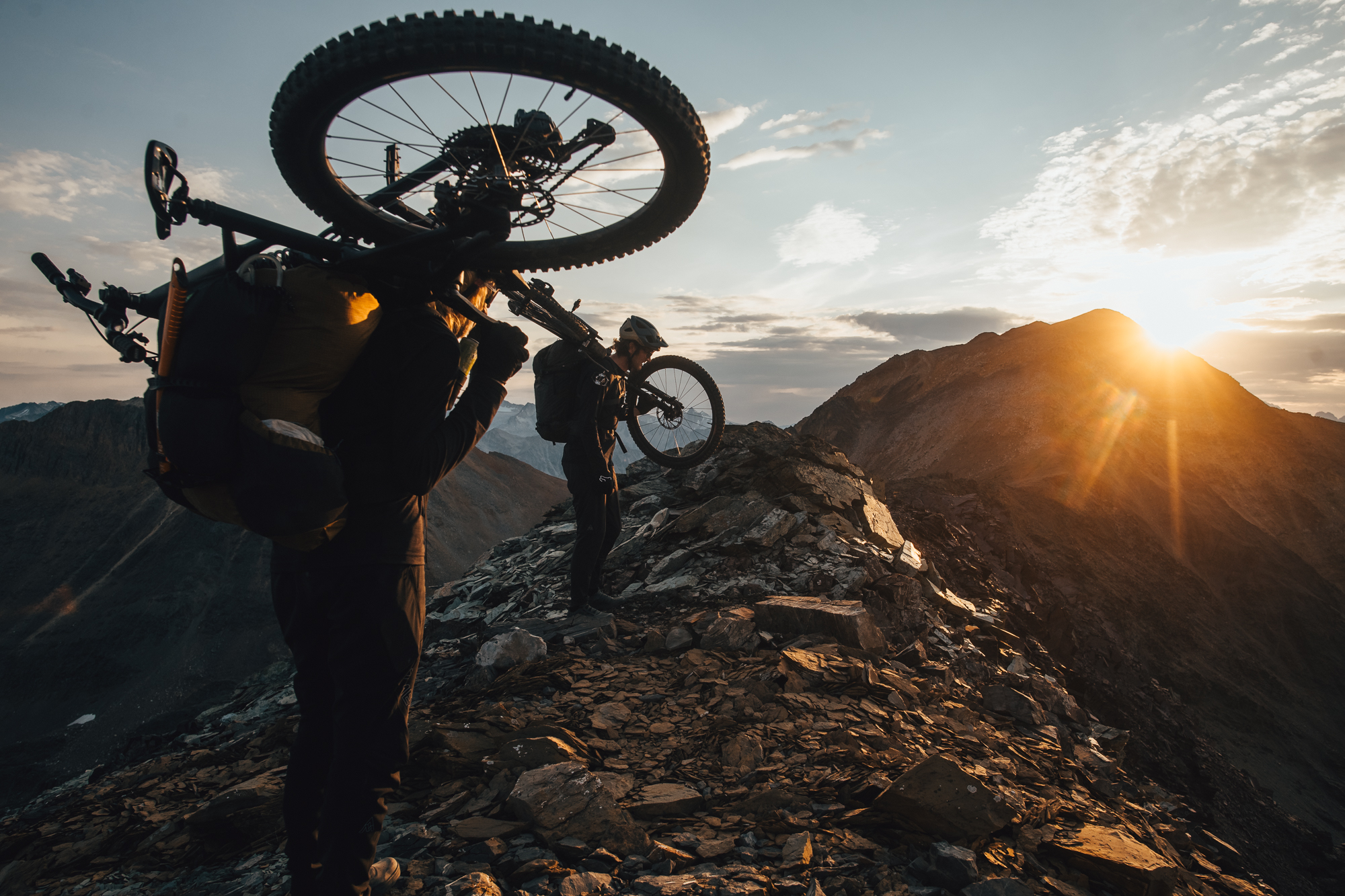
“There is no riding up. The terrain we go into doesn’t allow it. You carry your bike like a crucifix. The payoff only comes when gravity takes over and lets you point the thing downhill.”
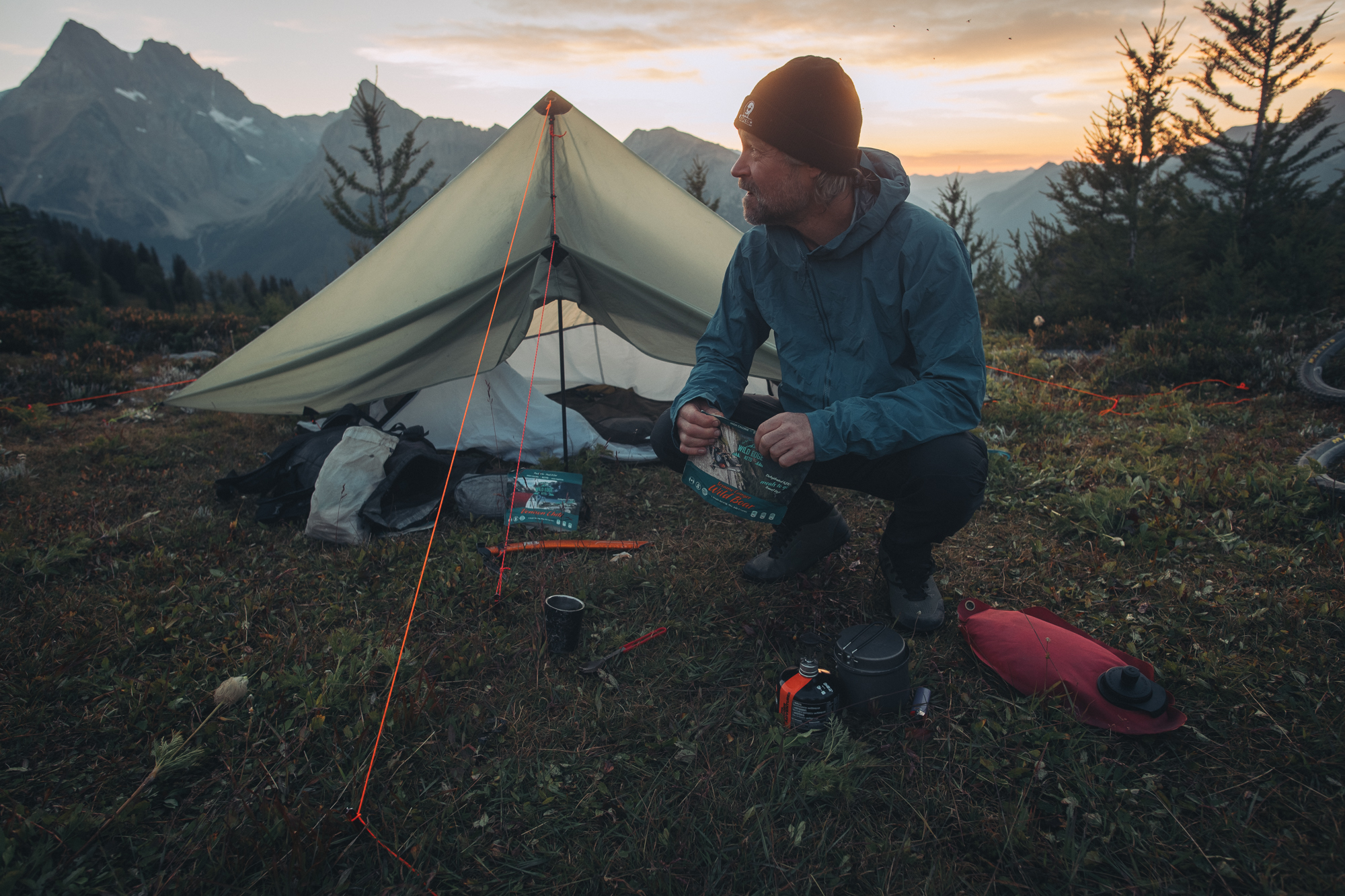
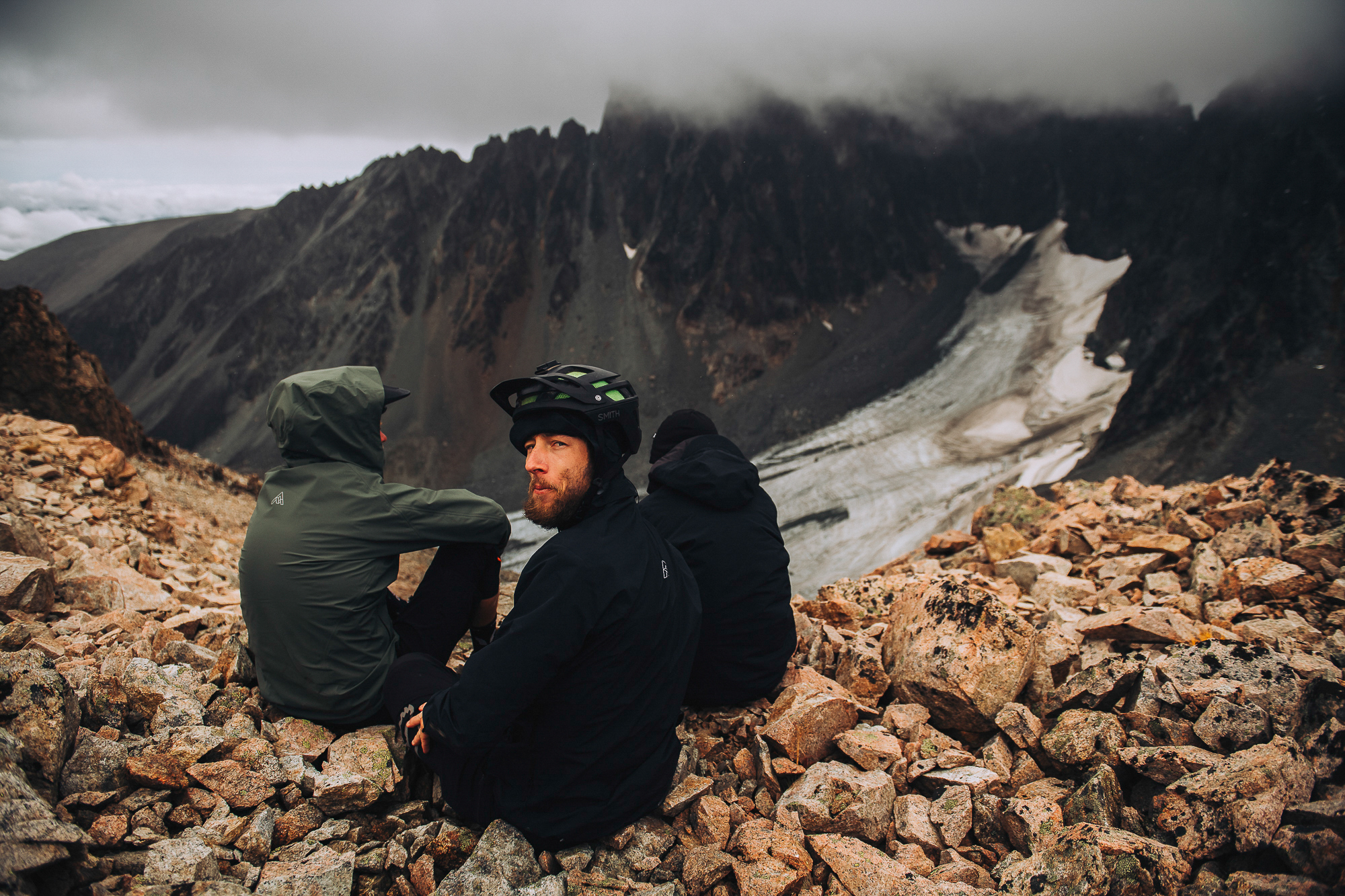
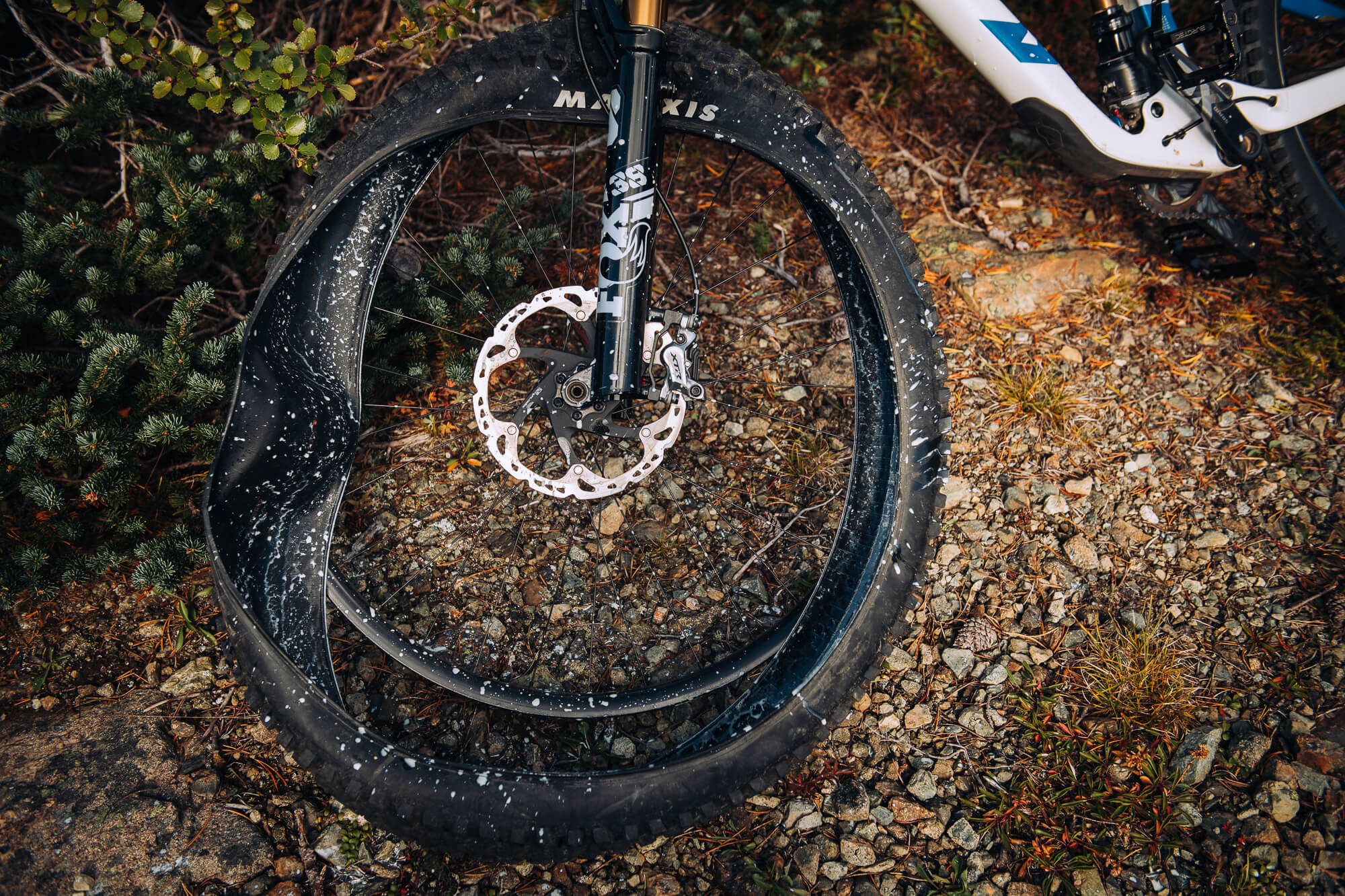
Riga and his friends started running these trips over 30 years ago, and it has taken roughly that long to get dialled at them. The one thing that holds true across all of them is that it will not go as planned, so plan for that. The weather is the boss, and it couldn’t care less about you or your objectives.
Dreaming is cheap
“If I were to contribute something to this form of mountain bike adventuring, it would be the fact that it’s possible. If you can dream it, you can do it, and it likely won’t go as planned.”
Dreaming is cheap. You crack a beer, open Google Earth, and suddenly you are planning a route in South America. The hard part starts when you lock in a location, and the deeper you go into the logistics the more the trip fights back. His trip to Navarino Island in Chile, the southernmost trekking zone in the world, is the example.
“Just committing to it was easy. Making it happen took over a year. It was wildly expensive and nightmarishly complex to coordinate. But it was worth it. It didn’t go as planned—of course it didn’t—and it was one of the best experiences of my life. Hard = Happy. That formula hasn’t failed me yet.”
The camera adds 20 pounds
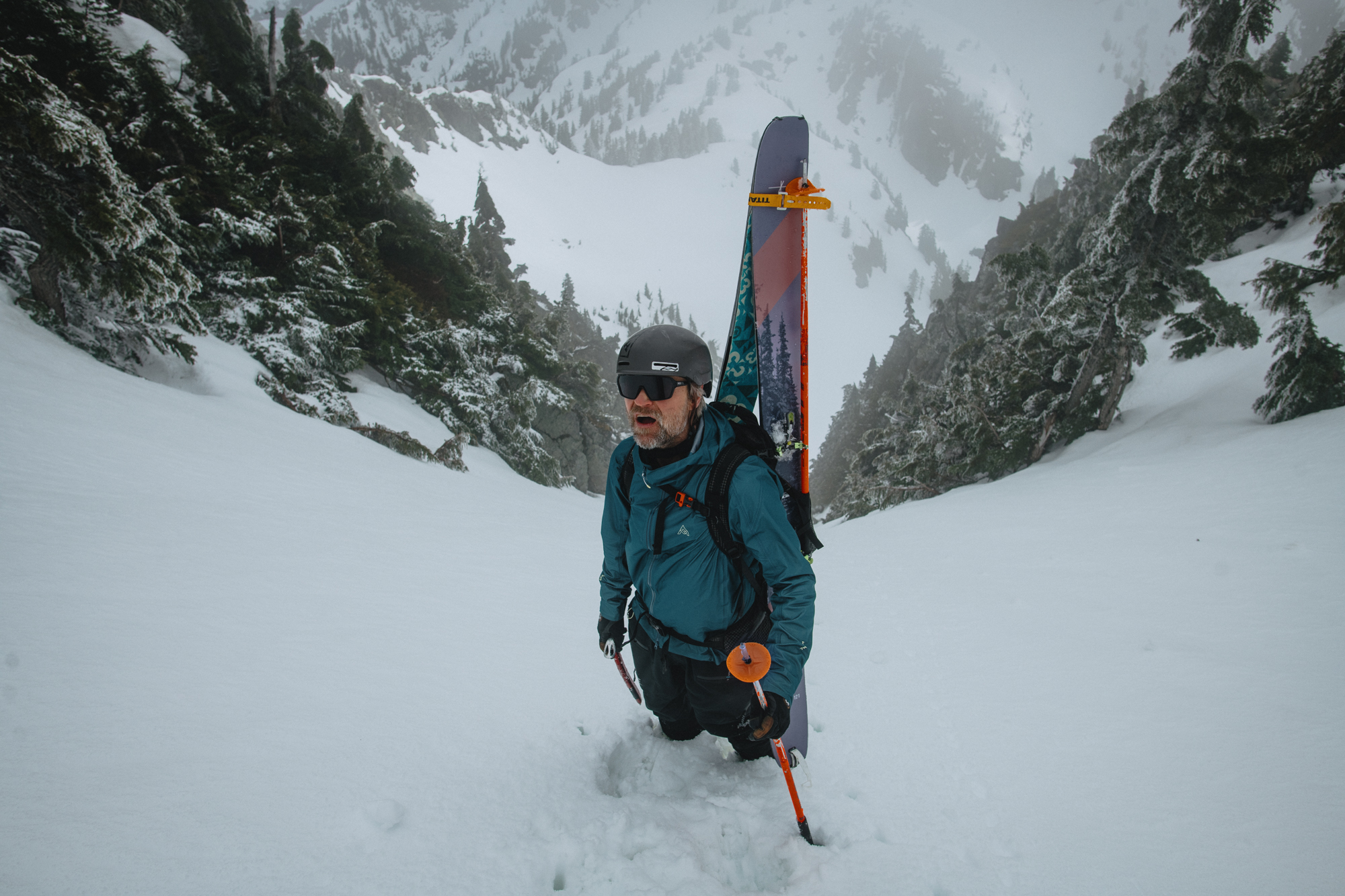
Shooting these trips is sometimes harder than the trip. Pulling a camera out in a horizontal snowstorm on a 9,000-foot ridgeline, with hands too numb to unzip a pack. Asking barely functioning people to hold on while you set up the shot, when their only concern is getting down before dark. And the camera adds 20 pounds: slower climbs, shorter tempers and constant anxiety about whether you are getting the shots that justify a trip someone else helped fund.
“It’s so much harder ‘working’ on these trips than it is just trying to get through them without dying or injuring yourself in the process. Personally, I’d rather do these trips with the bare minimum of gear and supplies. Travel ultra-light style, and cover as much ground as we can. Most times this is not possible, because of the costs and time it takes to organize these trips. That’s where the sponsors come in.”
Why we back the Hogs
Our Guardian collection was built for the kind of riding Riga does. The arrangement runs both ways: we support the trips he calls Hogs, his own name for this style of adventure, and the gear comes back from terrain that no test protocol replicates.
Enough to build a life around
If you are led by the unknown, and you go where no reasonable person would take a bike, you might come back with a story worth telling. That is enough to build a life around. All of it for the chance to stand and look at something and say, “Yeah, I think we can ride that.”